





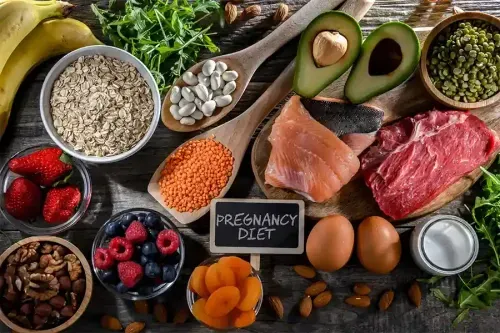
What is the Best Diet to Eat When Pregnant?
What to Eat When Pregnant: Complete Nutrition Guide
When you’re pregnant or trying to conceive, the way you eat has a direct impact on your baby’s health. A balanced and nutrient-dense diet is not a suggestion; it’s a must. Your body is working overtime, and it needs the right kind of fuel to support foetal development, your energy levels, immune health, and overall well-being.
Now, you don’t need to follow any special or restrictive diet plans during pregnancy. Instead, focus on eating a variety of everyday foods.
Read on to learn more!
What Food to Eat During Pregnancy
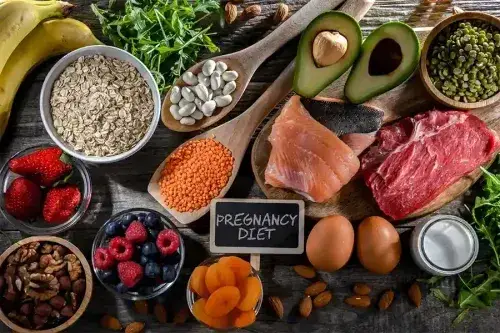
Here’s a breakdown of what to eat when you are pregnant:
- Dairy : Pregnancy increases the body’s need for calcium and protein, both for you and your baby’s growth. Dairy foods like milk, yoghurt, and cheese are great options, as they have casein and whey – two complete proteins.
They also have calcium, magnesium, B vitamins, phosphorus, and zinc – all important for foetal bone formation and your overall health. - Legumes : Foods like lentils, chickpeas, black beans, soybeans, peas, and peanuts are a plant-based nutritional boost. They’re high in folate, iron, calcium, fibre, and protein – all important during early pregnancy. Folate in particular helps prevent neural tube defects and supports the healthy development of your baby’s brain and spine.
- Sweet Potatoes : Naturally rich in beta-carotene, sweet potatoes help the body produce vitamin A – an essential nutrient for organ development. They also have fibre, which supports digestive health and prevents pregnancy constipation.
- Salmon : Salmon is a pregnancy-safe fish and a great source of omega-3 fatty acids like DHA, which helps with your baby’s brain and eye development. Choose fresh salmon over smoked salmon to lower the risk of listeria exposure.
- Eggs : Eggs have almost every nutrient your body needs, including high-quality protein and healthy fats. They’re especially important for their choline content, which supports brain development and prevents spinal cord issues.
- Broccoli and Leafy Greens: Greens like spinach, kale, and broccoli are rich in vitamin A, vitamin C, vitamin K, iron, calcium, potassium, and folate. These nutrients support immune function, blood production, and bone development, while their fibre content helps with digestion.
- Lean Meat: Since a pregnant woman’s blood volume increases significantly, iron is especially important to prevent anaemia, fatigue, and other pregnancy complications. So, for a good source of high-quality protein and nutrients like choline, B vitamins, and iron, lean meat is a good source.
- Berries : Blueberries, strawberries, raspberries, and acai are loaded with antioxidants, fibre, vitamin C, and hydration. They have a low glycaemic index and thus serve as a snack that gives you nutrients without spiking your blood sugar.
- Whole Grains : Whole grains like oats, quinoa, and brown rice give you sustained energy and important nutrients like B vitamins, fibre, magnesium, and iron. These help manage fatigue and digestion during early pregnancy.
- Avocados : Creamy and nutritious, avocados are rich in heart-healthy fats, potassium, folate, vitamin C, and vitamin K. They support foetal brain development and the formation of the baby’s skin and body tissues.
- Dried Fruit : Dried fruit, like prunes and dates, is a concentrated source of nutrients. A small amount gives you iron, folate, fibre, and potassium. Prunes may help relieve constipation due to fibre content. Some small studies suggest date consumption in late pregnancy may support labour outcomes, but evidence is limited and it is not a universal medical recommendation.
- Water : Hydration is more important than ever during pregnancy. Your blood volume increases, and drinking enough water prevents dehydration, constipation, and urinary tract infections (UTIs).
What Foods to Avoid During Pregnancy?
During pregnancy, nothing is more important than food safety. Below are some foods to avoid:
- Raw or Undercooked Animal Products : It is better not to eat any raw or undercooked meats, fish, or eggs. This includes rare steak, raw sushi, oysters, and soft-boiled or runny eggs. These foods can harbour bacteria like Salmonella or parasites that can harm your baby’s development.
- Unpasteurised Dairy and Juices : Always check the label. Unpasteurised milk, cheese or juice can carry Listeria, a bacterium that can cross the placenta and cause miscarriage or stillbirth. Stick to products clearly labelled as “pasteurised”.
- Deli Meats and Smoked Seafood : Cold cuts, hot dogs, and smoked seafood like lox or kippers can also be a Listeria risk if not reheated properly. If you do eat them, make sure they’re heated until steaming hot — at least 165°F — to kill any bacteria.
- Prepared Meat and Seafood Salads : Ready‑to‑eat meat or seafood salads carry a higher Listeria risk if improperly stored. Pregnant women should avoid refrigerated, long‑stored deli salads and consume only freshly prepared, well‑refrigerated versions.
- Raw Sprouts : Sprouts like alfalfa, clover, radish, and mung bean may seem healthy but can be contaminated with bacteria like E. coli or Salmonella. Since they’re almost impossible to clean completely, it’s best to avoid them unless they’re thoroughly cooked.
- High-Mercury Fish : Not all fish are safe. Large fish like sharks (flake), swordfish (broadbill), marlin, orange roughy, and bigeye tuna can contain high levels of mercury. Mercury can affect your baby’s brain development, so choose safer options like salmon, sardines, or cod.
- Check Expiry Dates and Food Storage : Check the “use-by” dates, especially on packaged or ready-to-eat items. Store perishables properly and follow food safety guidelines to minimise risk. Don’t eat anything if it gives you doubt.
Being mindful of what you eat during pregnancy is not just about nutrition — it’s about safety. Avoiding high-risk foods like raw meats, unpasteurised dairy, and mercury-heavy fish can reduce the risk of infections or complications that can affect your baby’s health.
Reader information: This article is intended for general informational purposes only and does not constitute medical advice. Nutritional needs and health conditions during pregnancy can vary from person to person. Always consult a qualified healthcare professional, obstetrician, or registered dietitian before making dietary changes, taking supplements, or following any nutrition-related recommendations during pregnancy or while trying to conceive. The information provided should not be used as a substitute for professional medical diagnosis or treatment.
Also Read:
→ Effective Ways to Eliminate Crystals from the Body
→ Healing Necrobiosis Lipoidica
→ How to Strengthen Weak Lungs Naturally
→ How to Get Rid of Back Spasms Naturally


Health Insurance Coverage for pre-existing medical conditions is subject to underwriting review and may involve additional requirements, loadings, or exclusions. Please disclose your medical history in the proposal form for a personalised assessment.
This FAQ page contains information for general purpose only and has no medical or legal advice. For any personalized advice, do refer company's policy documents or consult a licensed health insurance agent. T & C apply. For further detailed information or inquiries, feel free to reach out via email at marketing.d2c@starhealth.in







