





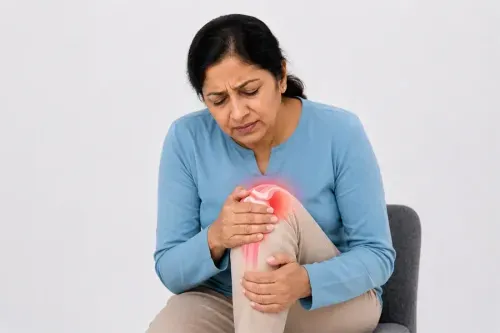
What is the Best Treatment for Osteoarthritis?
Osteoarthritis Explained: Prevention, Surgery & Lifestyle
Osteoarthritis (OA) is a common joint condition that causes pain and restricted mobility. Although it can’t be cured, several treatments can control symptoms and improve one’s quality of life. Maintaining a healthy weight reduces stress on joints, especially in the knees and hips.
Medications can help manage OA symptoms. Over-the-counter pain relievers such as NSAIDs (e.g., ibuprofen, naproxen) can reduce pain and inflammation, while paracetamol helps relieve pain but does not reduce inflammation. In some cases, doctors may recommend corticosteroid injections for temporary pain relief. Thus, it is crucial to understand the best treatment options for osteoarthritis to manage joint pain better.
Keep reading to know the detailed treatment procedure for osteoarthritis.
What Causes Osteoarthritis?
Osteoarthritis occurs when the protective cartilage cushioning the ends of bones in joints gradually wears down. This degeneration causes bones to rub against each other, causing pain, swelling, and reduced mobility.
Ageing, joint injuries, repetitive stress on joints, obesity, and genetic predisposition are factors contributing to osteoarthritis. While the exact cause isn't always clear, these elements can increase the risk of developing the condition. Understanding these causes is essential for early detection and management.
What is the treatment for osteoarthritis?
Osteoarthritis (OA) is a chronic joint condition that leads to pain, stiffness, and reduced mobility. While there is no cure, various treatments can help manage symptoms and improve quality of life. Some of them are as follows:
- Exercise : Regular exercise is a key component in managing OA. Engaging in low-impact activities like walking, cycling, and swimming can strengthen muscles around the joints, enhance flexibility, and reduce pain. Additionally, maintaining a healthy weight is crucial, as excess weight puts additional stress on weight-bearing joints, exacerbating symptoms.
- Medications : Pain relief is often achieved through medications. Nonsteroidal anti-inflammatory drugs (NSAIDs) such as ibuprofen can alleviate pain and inflammation. Topical treatments like capsaicin cream may also provide relief. In some cases, corticosteroid injections are administered directly into the affected joint to reduce inflammation and pain.
- Physical Therapy : Physical therapy plays a significant role in OA management. Therapists can design individualised exercise programs to improve joint function and reduce discomfort. Assistive devices, such as braces or orthotics, may also be recommended to support joints and improve mobility.
- Surgery : For individuals with severe OA unresponsive to conservative treatments, surgical options like joint replacement may be considered. This procedure involves replacing the damaged joint with an artificial one, aiming to restore function and alleviate pain.
Emerging therapies, such as stem cell therapy, are being explored for their potential to regenerate joint tissues and reduce inflammation. While these treatments show promise, more research is needed to fully understand their efficacy and safety.
Reader information: The information provided in this article is intended for general educational and informational purposes only. It does not constitute medical advice, diagnosis, or treatment. Osteoarthritis management varies depending on individual health conditions, disease severity, and medical history. Readers are advised to consult a qualified healthcare professional or specialist for personalised medical advice, diagnosis, or treatment options. The mention of specific therapies or medications does not imply endorsement, and emerging treatments should be considered only under medical supervision or within approved clinical settings.
Also Read:
→ What is the Latest Treatment for Erectile Dysfunction
→ What is the Treatment for Bronchioalveolar Carcinoma
→ What is the Treatment for High IgE Levels
→ What is the Treatment of OCD (Effective Methods & therapies)


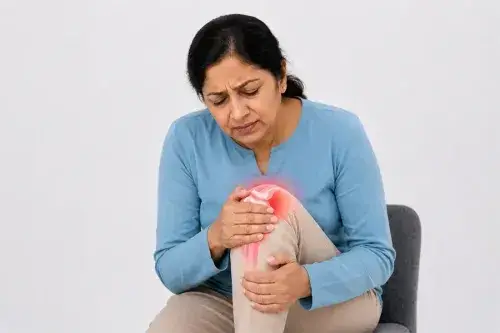
Health Insurance Coverage for pre-existing medical conditions is subject to underwriting review and may involve additional requirements, loadings, or exclusions. Please disclose your medical history in the proposal form for a personalised assessment.
This FAQ page contains information for general purpose only and has no medical or legal advice. For any personalized advice, do refer company's policy documents or consult a licensed health insurance agent. T & C apply. For further detailed information or inquiries, feel free to reach out via email at marketing.d2c@starhealth.in







