




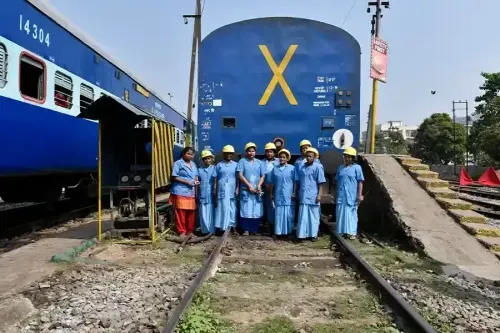
Health Insurance for Railway Employees
Is There Any Need for Health Insurance for Railway Employees?
A comprehensive health insurance plan for railway employees provides crucial, complementary protection for them and their families, addressing gaps in the existing railway medical systems, including limited immediate access to high-end private healthcare, specific medical treatments not available in railway hospitals, and the need for seamless cashless services in non-railway hospitals.
Why do Railway Employees Need Health Insurance?
Although railway employees have access to comprehensive railway medical facilities, they still need private comprehensive health insurance to access top-tier, standard hospitals for specialised medical care, to avoid long waiting times for treatment, and ensure coverage during unforeseen circumstances away from railway hospitals. Additionally, private health insurance bridges the gap in rural areas and offers tax rebate benefits, acting as a crucial backup for expensive medical procedures.
Key Reasons for Health Insurance
- Access to Quality Private Care: Health insurance enables treatment in network hospitals, which might be preferred over the railway's own medical facilities for advanced and customised care.
- Medical Emergency: In case of unforeseen circumstances, “golden hours” can be lost in time-consuming administrative formalities when seeking referrals from railway authorities; direct access to private healthcare offered by your insurance provider is smooth & faster.
- Limitations of Government Facilities: While railway authorities provide health care facilities to their employees, it is not always “free” in terms of quality and efficiency; private insurance ensures specialised treatment for complicated medical ailments with cashless treatment.
- Broad Family Healthcare Coverage: A private mediclaim policy can provide more robust coverage for dependents compared to the limitations of official referrals.
- Convenience & Proximity: Employees living far from railway hospitals or in suburban areas can utilise nearby network hospitals, reducing travel time and hassle during emergencies.
Significance of Health Insurance For Railway Employees
A mediclaim plan provides financial protection in the face of high healthcare costs, including hospital stays, pharmacy, and emergency medical support. Without sufficient and prompt medical coverage, these expenditures can completely wipe out your savings from a single medical bill and create a considerable financial burden on railway staff or other government employees.
Here are the key details of the benefits of health insurance:
- Improved Access to Private Healthcare: It allows employees to utilise a wider network of empanelled private hospitals, especially in urban areas where established railway hospitals may be far away.
- Quick and Specialised Care: It provides better access to specialists and advanced treatment procedures that may not be available within the railway medical system, reducing the need to wait for referrals.
- Access to Cashless Treatment Services: Facilitates immediate and cashless treatment, reducing the need to pay upfront and seek reimbursement.
- Protection for Dependents and Retirees: It acts as a necessary safeguard for dependents and retired employees, particularly in emergencies where travel time to a specialised railway health unit is crucial.
- Higher Coverage for Expensive Medical Treatment: Comprehensive insurance can help cover high-cost treatments, surgeries, and medicines, including post-hospitalisation expenses.
- Access to Quality Healthcare: Having health insurance ensures that railway workers can access emergency medical services without a long waiting period, as often faced by individuals in government health services. Preventive health care, regular health check-ups and early medical intervention of illnesses contribute to the overall well-being of government employees.
- Tax Advantages: In India, government staff can deduct health insurance premiums from their taxable income, reducing tax liability. This makes investing in a health insurance plan an even more financially wise decision.
- Cashless Treatment: Insured individuals get access to a wide range of empanelled hospitals for cashless treatments, making claim procedures convenient during unforeseen circumstances.
- Peace of Mind: Knowing that medical expenses are covered provides peace of mind to railway employees. They can focus on recovery without worrying about how they will afford expensive healthcare services.
How Much Does Health Insurance Cost for Railway Employees?
The cost of medical insurance depends on multiple factors, including:
- Age: As you grow older, your health risks will be higher, and ultimately have to pay higher premiums.
- Health Status: Your health history plays a significant role in deciding your health insurance premiums, as it determines your health risk.
- Areas: The cost of healthcare insurance premiums is highly influenced by your residential areas.
- Plan Type: More comprehensive healthcare policies with lower deductibles generally require higher premiums.
- Deductibles: Selecting higher deductibles may lead to less premium, but increase overall out-of-pocket expenditures.
So, the health insurance premiums for railway workers can vary depending on circumstances, whether related to a specific plan or personal situation.
How to Select the Right Medical Insurance Policy for Railway Employees?
Choosing a budget-friendly health plan with sufficient coverage is not as easy as it sounds, but considering the following aspects can help individuals to make an informed decision:
- Premiums: The premium for health insurance is the amount of money paid for health insurance every month, so it is very prudent to choose a plan that comes under your budget without compromising your health cover.
- Coverage Level: Individuals should always review how much coverage is included in their chosen policy, like hospitalisation, outpatient care, medications, emergency services, wellness programmes and preventive healthcare.
- Out-of-Pocket Expenses and Deductibles: The deductible is the amount an individual has to pay before insurance coverage kicks in. Healthcare plans with lower premiums often have high deductibles, which further increase your out-of-pocket expenses during emergencies.
- Empanelled Hospitals: Your ideal health insurance providers must have a wide network of hospitals that are officially tied up for providing cashless treatment facilities to policyholders.
- Additional Advantages: Some health plans provide additional advantages like mental health services, wellness programmes, vision check-ups and dental care, which can enhance the overall coverage for healthcare.
Final Thoughts!
Health insurance is a wise financial investment for railway employees, just like other government and private employees, ensuring they have certified, standard medical care without significant financial strain. Railway employees can choose a health plan that best fits their current health condition and their family’s health history and budget by conducting a thorough comparison of multiple health policies available in the market. Prioritising health insurance not only works as a financial safety net but also allows individuals to focus on health recovery with peace of mind, knowing they have a financial cushion against unexpected medical bills.
People Also Search For
Health Insurance Coverage for pre-existing medical conditions is subject to underwriting review and may involve additional requirements, loadings, or exclusions. Please disclose your medical history in the proposal form for a personalised assessment.
The information provided on this page is for general informational purposes only. Availability and terms of health insurance plans may vary based on geographic location and other factors. Consult a licensed insurance agent or professional for specific advice. T&C Apply. For further detailed information or inquiries, feel free to reach out via email at marketing.d2c@starhealth.in







