

Does Your Health Insurance Cover Spinal Cord Injuries?
Navigating the Challenges of Spinal Cord Injuries
What is a spinal cord injury?
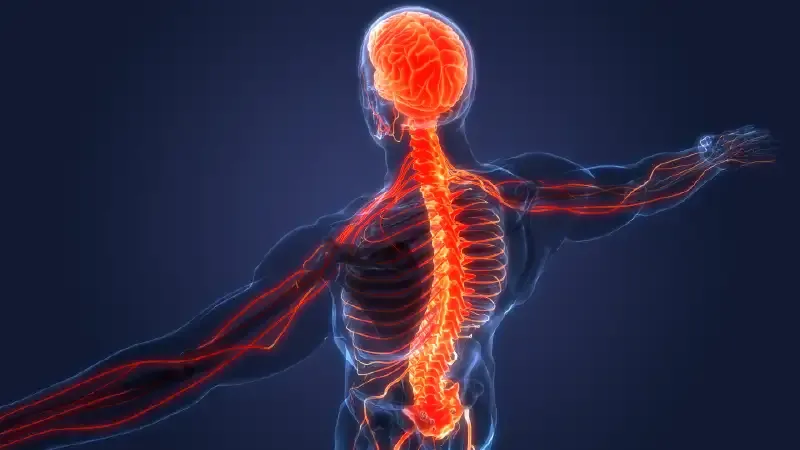
A spinal cord injury (SCI) occurs when damage to the vertebrae, ligaments, or discs in the spine leads to injury of the spinal cord. Tetraplegia (also called quadriplegia) involves impairment of the arms, legs, trunk, and pelvic organs, while paraplegia affects function below the waist.
Based on the severity of the injury, surgeons may recommend appropriate surgical intervention.
Levels of Spinal Cord Injury
SCIs are defined based on the level of spinal column damage:
- Cervical Injuries (C1-C8): Cervical Injuries (C1–C8): Affect the neck region and may result in loss or impairment of function in all four limbs.
- Thoracic Injuries (T1-T12): Upper back affected; generally, there is paralysis of the legs, also referred to as paraplegia.
- Lumbar Injuries (L1-L5): Lumbar Injuries (L1–L5): Affect the lower back and may lead to varying levels of leg weakness.
- Sacral Injuries (S1-S5): The injuries are to the pelvis and can affect bowel, bladder, and sexual function.
Causes of Spinal Cord Injuries in India
Common Causes
- Road Traffic Accidents: The leading cause of SCI in India, often due to high speeds, poor road safety, or lack of protective gear.
- Falls: Older age groups, a fall from height, or home accidents cause such severe injuries.
- Sports Injuries: Traumatic injuries to the spine may result from participation in football, wrestling, and diving.
- Violence: These include spinal cord damage caused by a gunshot or stab wound.
- Disease: Tumors, infections, or degenerative diseases affecting the spinal cord can also be a cause.
Spinal Cord Injury Symptoms
How to Identify Symptoms
Symptoms of spinal cord injuries vary greatly based on the severity and the location of injury. Common symptoms are:
Loss of Movement: She cannot move limbs or body parts.
- Loss of Movement: Inability to move limbs or body parts.
- Loss of Sensation: The patient may experience numbness or loss of feeling in areas below the injury.
- Changes in Reflexes: Abnormal reflexes or spasms
- Bladder and Bowel Function Loss: Inability to control the flow of urine and bowel movements.
- Pain: Some patients may experience continuous pain in the damaged areas.
Emergency Symptoms (“Code Red”)
Early recognition can be life-saving. If the following symptomatology begins to appear after an accident, urgent medical attention is required:
- Inability to feel or move limbs
- Severe backache
- Cannot breathe effectively
- Loss of bladder or bowel control
Diagnosis of Spinal Cord Injuries
Diagnostic Techniques
Diagnostic techniques for spinal cord injury comprise a variety of clinical examination and imaging techniques:
- Physical Examination: A thorough physical examination by a doctor to look for movement and sensation.
- Neurological Examination: Testing the reflexes, coordination, and sensory responses to observe how complete the injury is.
Imaging Tests:
- X-rays: Helpful in detecting fractures or dislocations in the spine.
- MRI: Detailed images of the spinal cord with the surrounding tissue for damage to soft tissue
- CT Scans: Give a broad view of the spine and are very useful in acute settings.
Management of Spinal Cord Injuries
Emergency Management
Immediate medical care is essential to prevent worsening of the injury and improve recovery outcomes. Some interventions can include the following:
Immobilizing the patient to prevent further injuries
Medications: Corticosteroids may be administered to reduce inflammation around the spinal cord (based on medical guidelines).
Surgical intervention
The extent of the injury will determine whether surgery will be required to relieve pressure on the spinal cord or stabilize the spine.
Decompression Surgery
Removing bone fragments, tumors, or other materials squeezing the spinal cord.
Spinal Fusion
Stabilizing the spine through the fusion of two or more vertebrae.
Rehabilitation
Rehabilitation is highly important for recovery. Most often, this is a multidisciplinary process, consisting of:
Physical Therapy: Focuses on improving mobility, strength, and coordination.
Occupational Therapy: This enables regaining independence in everyday activities.
Psychological Support: Counseling and support groups may be necessary to aid patients and their families in overcoming mental frustration.
Long-Term Management
The majority of the care in the management of spinal cord injury involves a long process of care, which includes:
- Follow-ups: Regular medical assessments are necessary to monitor recovery and manage complications
- Devices: Use of assisting devices such as a wheelchair, brace, or others.
- Lifestyle Modifications: Change of living setting and practice for safe and independent living.
Let's discuss: Is spine surgery covered by insurance in India?
Does Health Insurance Cover Spinal Cord Injury?
Spinal cord injuries are caused due to various reasons. Several Health Insurance companies, including Star Health, provide coverage for Spinal cord injuries. Star Health and Allied Insurance Co Ltd covers spinal cord‑related diseases after a 24‑month waiting period, provided they are not pre-existing conditions and are not accident‑related.
This policy covers medical expenses like pre- and post-hospitalisation charges, diagnostic costs, nursing expenses, ICU charges, ambulance expenses, etc., up to the limits mentioned in the policy documents.
In a few cases, a severe spinal cord injury may lead to partial or complete loss of the body’s sensory function or motor function (paralysis).
AYUSH treatments such as Ayurveda, Unani, Siddha, and Homeopathy are also covered, as per policy terms. The medical expenses for AYUSH treatment are covered under this policy.
In a Nutshell
Timely surgery is critical, and having the right health insurance policy helps avoid financial delays during emergencies. Choosing the right policy from the right Health Insurance Company will provide financial assistance while paying medical bills.
Arogya Sanjeevani Policy from Star Health provides coverage for spinal diseases, subject to policy conditions. Refer to the Star Health website for complete details.
Also Read:
FAQs
People Also Search For
Health Insurance Coverage for pre-existing medical conditions is subject to underwriting review and may involve additional requirements, loadings, or exclusions. Please disclose your medical history in the proposal form for a personalised assessment.
The information provided on this page is for general informational purposes only. Availability and terms of health insurance plans may vary based on geographic location and other factors. Consult a licensed insurance agent or professional for specific advice. T&C Apply. For further detailed information or inquiries, feel free to reach out via email at marketing.d2c@starhealth.in