





Blood Cancer Symptoms: Cause, Types, Treatments
Blood cancer symptoms need attention as they can be subtle and could be easily mistaken for other conditions; thus, detecting them early is crucial for successful treatment. Blood cancer affects the bone marrow, blood, or lymphatic system. It happens when something goes wrong with the generation of blood cells, resulting in an abnormal and uncontrolled development of these cells. Blood cancer symptoms include fatigue, frequent infections, easy bruising or bleeding, etc. Blood cancer diagnosis helps identify the specific type and stage of the disease. Blood cancer treatments differ depending on the particular type and stage of the cancer. Let's discuss all about blood cancer.
Blood Cancer Symptoms : A Comprehensive Guide
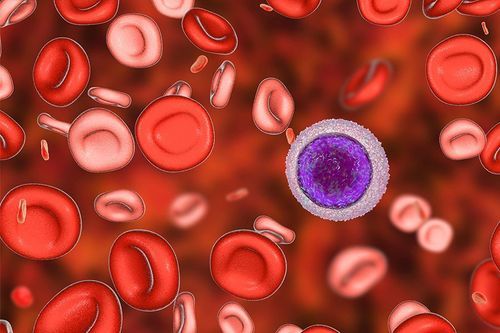
Blood cancers occur when the process of blood cell generation goes away. There are three general types of blood cells :
- Your white blood cells are an important part of your immune system that fights infection.
- Your red blood cells carry oxygen to your body's tissues and organs. In return, they collect much of the carbon dioxide gas from your body to be exhaled from the lungs.
- Platelets help your blood to clot when you cut or hurt yourself.
Usually, too much growth of the abnormal blood cells interferes with the production of normal blood cells. It can prevent the bone marrow from having enough healthy red blood cells, white blood cells, or platelets that circulate in the blood. Moreover, abnormal cells may leak into the blood circulation. These kinds of blood cells may circulate in one's blood and spread to other organs like the lymph glands, spleen, liver, lungs, and kidneys. If no remedy is executed, the normal and necessary functions of one's body will gradually decay.
Types of Blood Cancer
1. Leukaemia
- Leukemia is a cancer of the blood and is a cancer where malignant, underdeveloped blood cells increase uncontrollably in number. The abnormal cells also spread up the bone marrow, an organ that usually produces most of the functions in the blood at a high rate.
- Typically, leukaemia cells are very young and immature white blood cells that have not yet reached their full developmental growth. The word "leukaemia" is a combination of two Greek words, meaning "white," "leukos," and "blood," "haima."
Unlike many other cancers, leukaemia does not usually cause a lump or tumour that can be seen with imaging. There are many types of leukaemia, some of which are more common in children than adults. How leukaemia is treated depends on the type and other factors.
Types of Leukemia
- Chronic myelogenous leukemia (CML)
- Acute myelogenous leukemia (AML)
- Chronic lymphocytic leukemia (CLL)
- Acute lymphocytic leukemia (ALL)
Treatment
- Chemotherapy
- Immunotherapy
- Targeted therapy
- Hematopoietic cell transplant
- Radiation therapy
- Chimeric antigen receptor CAR T-cell therapy
The treatment choice depends on the type of leukaemia that one has and the severity.
Also Read: Eye Cancer Symptoms
2. Lymphoma
- Lymphoma is a cancer type that affects the lymphatic system. The lymphatic system includes spleen, lymph nodes, thymus gland, and bone marrow. All these body parts may be affected by lymphoma, as well as other organs in the human body.
- The best lymphoma treatment to be used for a patient will depend on the type of lymphoma and the stage at which the disease is found. Treatment can be chemotherapy, immunotherapy drugs, radiation, bone marrow transplant or a combination of two or more methods.
Types of Lymphoma
- Hodgkin's lymphoma, formerly called Hodgkin's disease)
- Non-Hodgkin's lymphoma
Treatment
- Chemotherapy
- Radiation therapy
- Immunotherapy
- Targeted therapy
- CAR T-cell therapy
- Stem cell transplantation
The choice of treatment will depend on the type of leukaemia that one has and the severity.
3. Malignancy
- Malignancy of plasma cells is referred to as myeloma or multiple myeloma. Myeloma is the cancer of specialised white blood cells that have the function of producing antibodies that are required for the protection of our body from infections.
- But if it's about myeloma, then the disturbed excessive growth of plasma cells replaces the healthy cells in the bone marrow that were earlier responsible for the production of red blood, platelets, and other types of white blood cells.
Types of Myeloma
- Multiple myeloma
- Solitary plasmacytoma
- Extramedullary plasmacytoma
Treatment
- Radiation therapy
- Chemotherapy
- Bone marrow transplant
- Targeted therapy
- CAR-T cell therapy
- Corticosteroids
- Immunotherapy
The choice of treatment is made depending on the form of leukaemia that one has and the stage it is in.
Also Read: Breast Cancer Symptoms
Risk Factors of Blood Cancer
Blood cancer stems from alterations in the genetic material: the DNA of blood cells. Additionally, various risk factors depend on the particular type of blood cancer.
Some blood cancer causes that increase the possibility of developing it include:
- Age
- Family history of cancer treatments
- Smoking
- Exposure to radiation and chemicals
- Compromised immune system.
Stages of Blood Cancer
1. Rai System (for Chronic Lymphocytic Leukemia - CLL)
As per this system, there are stages 0 to IV, with higher numbers denoting advanced diseases.
- Stage 0 : This serves as high lymphocyte levels but no other symptoms.
- Stage 1 : This is High lymphocyte levels and enlarged lymph nodes.
- Stage 2 : It is High lymphocyte levels, enlarged liver or spleen, and possibly swollen lymph nodes.
- Stage 3 : This is High lymphocyte levels, anaemia, and possibly enlarged lymph nodes or spleen.
- Stage 4 : It is High lymphocyte levels, low platelet count (thrombocytopenia), and anaemia or enlarged organs.
2. Ann Arbor Staging System (for Hodgkin Lymphoma)
As per this system, there are stages I to IV, with higher numbers denoting advanced diseases and spread.
- Stage I : In this stage, the cancer is present in a single lymph node or a single organ.
- Stage II : In this stage, the cancer is present in multiple lymph nodes on the same side of the diaphragm or in a lymph node region and a nearby organ.
- Stage III : In this stage, cancer is present in lymph nodes on two sides of the diaphragms or in the spleen.
- Stage IV : In this stage, the cancer has spread to many organs outside the lymphatic system, like the liver, bone marrow, or lungs.
How to Diagnose Blood Cancer?
If you are suffering from either of the blood cancer symptoms, it is crucial to get in touch with your local healthcare provider. Upon hearing your issues, if the doctor thinks you might have blood cancer, specific tests can help them find out for sure.
Here is a detailed guide about the diagnosis process of blood cancer:
1. Blood Tests
Running several blood tests will offer a clear overview of the condition. These tests include:
- Complete blood count
- WBC and RBC blood test
- Blood smear and chemistry
- White cell differentials
- Flow cytometry
- Karyotype test
- Polymerase chain reaction
2. Bone Marrow Tests
Bone marrow is the spongy thing in the middle of our bones. 2 tests will be done for it:
- Bone marrow aspiration
- Bone marrow biopsy
3. Lymph Nodes Biopsy
Blood cancer pessimistically impacts your lymphatic system. Thus, the biopsy of these helps in timely detection.
4. Imaging Tests
These doctors mirror the interior condition of your body. The primary examinations include:
- Chest X-ray
- CT scan
- MRI
- PET Scan
5. Spinal Tap
This is an examination of your spinal and brain fluid.
6. Urine Test
This helps to evaluate the substances in your urine and notice if any of the substances are present in the urine at a high rate.
Also Check: Stomach Cancer Symptoms
Treatment for Blood Cancer
Fortunately, there are many safe and effective ways to treat blood cancer, however, it does not carry a one-size-fits-all approach. Treatment for blood cancers depends on the cancer type, the patient's age, the cancer growth rate, and other crucial factors. Some common treatments are :
- Stem Cell Transplantation: Stem cell transplantation puts healthy stem cells that create blood into the body. These stem cells can come from the bone marrow, blood, or umbilical cord blood.
- Chemotherapy: Chemotherapy uses drugs to stop cancer cells from growing. For blood cancer, doctors often use several drugs together as part of a treatment plan. This treatment can also happen before a stem cell transplant.
- Radiation Therapy: Radiation therapy can kill cancer cells or ease pain and discomfort. It can also be given before a stem cell transplant.
- Immunotherapy: Immunotherapy helps the immune system fight cancer. This treatment can boost the number of immune cells or help existing ones find and eliminate cancer cells.
- Car T-cell Therapy: Here, healthcare specialists modify T-cells, a type of white blood cell, to better attack cancer. Doctors use this therapy for B-cell acute lymphoblastic leukaemia, multiple myeloma, and some non-Hodgkin’s lymphomas if other treatments fail to work.
Conclusion
Blood cancer includes leukaemia, lymphoma, and myeloma, which are essentially diseases caused by mutations existing in a person's DNA. These changes disturb the normal behaviour of blood cells. Normally, these are changes that one can't control and occur at some stage in one's entire life cycle rather than being inherited from parents. While some types of blood cancer do occur in children, it is also a fact that the symptoms and modes of treatment may vary widely between children and adults.
Also Read :
HELP CENTRE
Confused? We’ve got the answers
We’re Star Health. We offer the coverage that’s designed to help keep you healthy. It's the care that comes to you, and stays with you.
Blood cancer can progress to a stage where it worsens the health of the patients and where removal of the cancer becomes impossible. Nevertheless, there are some treatment options still available in these cases to try to slow down the growth of the cancer. Some people opt not to have active treatment anymore.
There are many Blood cancer symptoms. The symptoms of Blood Cancer include fatigue, frequent infections, night sweats, unexplained weight loss, and swollen lymph nodes. Moreover, people might experience easy bruising, bone pain, bleeding, or shortness of breath.
Blood cancer, can occur because of a mixture of factors, such as genetic mutations, smoking, exposure to some chemicals, and even a few infections.
Early signs of blood cancer include persistent fatigue, easy bruising or bleeding, unexplained weight loss, swollen lymph nodes, frequent infections, bone pain, and night sweats.
Survival rates for various blood cancers range from 25% to over 85% at five years. The lifespan of someone with blood cancer differs based on the particular type of cancer, individual health, stage, and response to treatment.
There's no guaranteed method to prevent blood cancer. However, exercise and a healthy lifestyle could significantly lower the risk. Exercise supports immune function, thus helping have a healthy weight, and might impact hormonal balance, all of which are factors that can reduce cancer risk.
To check for blood cancer, a medical or health care professional will recommend the CBC( complete blood count) test and a bone marrow biopsy. A CBC could help in revealing abnormal levels of red blood cells(RBCs), white blood cells(WBCs), or platelets, which may suggest blood cancer.
Blood cancer is a severe condition that could be life-threatening if not treated promptly. It affects the blood, bone marrow, or lymphatic system, causing abnormal generation of blood cells and disrupting the human body's capability to generate healthy platelets, White Blood Cells (WBCs), and Red Blood Cells(RBCs).
At the time of blood cancer treatment, a balanced diet concentrated on whole and unprocessed foods. These foods include healthy fats, lean proteins, enough fruits and vegetables, and whole grains. It's also important to see the individual needs and preferences, as well as any particular dietary restrictions or recommendations from your healthcare provider.
The primary blood test used to detect blood cancers like leukaemia and lymphoma is a Complete Blood Count (CBC) test. It helps measure the number of platelets, WBCs(White Blood Cells), and RBCs(Red Blood Cells) in your human blood. This can also reveal abnormalities that may indicate cancer.
Skin blood cancer symptoms might include red or purple patches (petechiae or purpura), rashes, itchy skin, lumps, or changes in skin colour.
Yes, blood cancer survival is possible. While survival rates differ based on the type and stage of the cancer, many advancements in treatment have significantly enhanced outcomes for many people.
Milk could be a source of nutrients for people with blood cancer, but it's significant to check individual tolerances and the side effects of treatment.
Blood cancers in children, especially leukaemia, often present with symptoms such as fatigue, frequent infections, easy bruising or bleeding, bone or joint pain, and swollen lymph nodes.
Related Articles on Symptoms
Health Insurance Coverage for pre-existing medical conditions is subject to underwriting review and may involve additional requirements, loadings, or exclusions. Please disclose your medical history in the proposal form for a personalised assessment.
Information on the Symptom page is for general awareness purposes and not a substitute for professional medical advice. Always consult a healthcare professional for any health concerns before making any decisions regarding your health or treatment. T & C apply For further detailed information or inquiries, feel free to reach out via email at marketing.d2c@starhealth.in







