





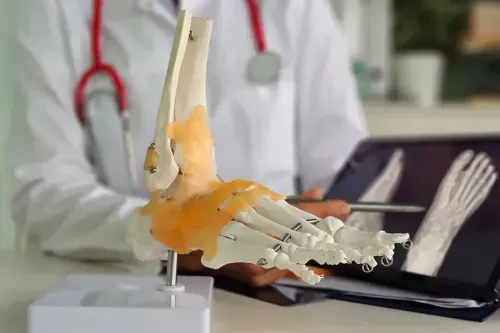
What is the Best Treatment for the Tarsal Tunnel?
Effective Treatments for Tarsal Tunnel Syndrome
Dealing with persistent foot and ankle pain can prevent you from enjoying your daily routine and favourite activities. This is particularly true for those with tarsal tunnel syndrome (TTS)—a condition characterised by intense pain, numbness, and a tingling feeling in the ankle or foot region.
The good news is that TTS nerve damage can be treated and healed. Based on the underlying cause of why your nerve is being compressed and your medical history, a mix of surgery and nonsurgical options can treat tarsal tunnel syndrome.
Read on to find out more!
How to Diagnose Tarsal Tunnel Syndrome?
Initially, your doctor will determine your symptoms, enquire about your medical history, and conduct a physical exam on the affected foot. While no test specifically diagnoses TTS, the following can be used to confirm the condition and identify any underlying causes:
- MRI (Magnetic Resonance Imaging): Produces detailed images of bones and soft tissues to check for injuries or nerve compression.
- Tinel’s Test: A simple tap on the skin over the tibial nerve to see if it causes tingling, known as a positive Tinel’s sign.
- Electromyography (EMG): EMG and nerve conduction studies may help support the diagnosis or rule out other neuropathies, but normal results do not exclude tarsal tunnel syndrome.
How Do You Treat Tarsal Tunnel Syndrome?
Most people can effectively alleviate symptoms of tarsal tunnel syndrome (TTS) with minor home treatments or over-the-counter remedies. The following are a few methods commonly suggested:
- Rest: Removing yourself from weight-bearing activities may allow the irritated nerve to heal and discourage further stress or damage.
- Ice Therapy: Placing an ice pack for 15–20 minutes several times a day may reduce inflammation and pain.
- Compression and Elevation: Wearing an elastic bandage or ankle brace provides support and helps restrict swelling. Elevating your foot above the level of your heart also reduces inflammation.
- Nonsteroidal Anti-Inflammatory Drugs (NSAIDs): Over-the-counter medications, such as ibuprofen, can relieve pain and reduce swelling.
Nonsurgical Options Your Doctor May Prescribe
When home treatment is not sufficient, your physician may prescribe more specific nonsurgical interventions such as:
- Braces, Splints, or Casts: These can immobilise the foot and promote healing. Braces are especially useful in redistributing pressure in the case of flat feet.
- Orthotic Devices: Custom-made orthotic inserts support the arch and correct foot alignment, thereby preventing pressure on the tibial nerve. Supportive shoes with motion control also prevent excessive foot pronation.
- Physical Therapy: A personal programme of strengthening exercises and stretches can enhance muscle function and ankle flexibility.
- Steroid Injections: Oral or injected anti-inflammatory steroid medication can relieve nerve inflammation and pain.
Do You Need Surgery for Tarsal Tunnel Syndrome?
If your symptoms persist despite conservative treatments, surgery may be recommended. Surgical procedures typically aim to relieve pressure by releasing the tibial nerve or expanding the tarsal tunnel. In cases where a cyst, tumour, or other mass is pressing against the nerve, your surgeon will remove the obstructive tissue.
What is the Tarsal Tunnel Surgery Recovery Timeline?
While most individuals with Tarsal Tunnel Syndrome (TTS) find relief from their symptoms through conservative treatment such as rest, orthotics, or physical therapy, surgery is required when symptoms are not relieved or worsen.
Tarsal tunnel surgery is designed to relieve pressure on the tibial nerve and improve mobility. There are multiple surgical options available, including the traditional open-release method (which is more invasive) and minimally invasive approaches, each with its own specific recovery considerations.
Recovery tends to vary across individuals. Your own recovery timeline will be based on a number of important factors, such as:
- Duration of Symptoms Prior to Surgery: Long-standing or chronic symptoms will slow recovery.
- Type and Complexity of the Procedure: Major surgical procedures tend to take longer to recover from than less complex ones.
- Other Health Issues: Conditions such as diabetes, arthritis, or immune system disorders can impair healing.
- Other Foot Issues: Plantar fasciitis, joint alignment, or heel spurs can influence rehabilitation timing and recovery schedules.
- General Health and Activity Level: Healthy and active patients before surgery can be expected to recover more quickly and easily.
To have a precise prediction in your own circumstance, regular follow-up with your orthopaedic or podiatry treatment team is crucial. They are able to provide counsel, monitor progress, and make recommendations for exercises or precautions based on your stage of healing.
Can You Prevent Tarsal Tunnel Syndrome?
While there is no foolproof way to prevent TTS, certain habits may lower your risk:
- Take adequate rest between workouts to avoid overuse injuries.
- Perform regular stretches for the feet and ankles.
- Always warm up before exercise to prepare your muscles and joints.
- Wear well-fitting, supportive footwear to maintain proper foot alignment and arch support.
Tarsal Tunnel Syndrome can significantly affect your mobility and quality of life, but timely diagnosis and appropriate treatment—whether nonsurgical or surgical—can offer substantial relief.
Reader Information: This article is intended for general informational and educational purposes only. Tarsal Tunnel Syndrome and its management can vary significantly depending on individual health conditions, underlying causes, and symptom severity. Always consult a qualified healthcare professional, such as an orthopaedic surgeon, podiatrist, or neurologist, for accurate diagnosis and personalized treatment recommendations. Any medical decisions should be made in consultation with a licensed medical practitioner.
Also Read:
→ Different Types of Stroke and their Treatments
→ First Aid Treatment for Heat Stroke
→ Simple and Effective Home Treatments for Piles
→ How Do You Treat Dust Allergies
Popular Topics
People Also Search For


Health Insurance Coverage for pre-existing medical conditions is subject to underwriting review and may involve additional requirements, loadings, or exclusions. Please disclose your medical history in the proposal form for a personalised assessment.
This FAQ page contains information for general purpose only and has no medical or legal advice. For any personalized advice, do refer company's policy documents or consult a licensed health insurance agent. T & C apply. For further detailed information or inquiries, feel free to reach out via email at marketing.d2c@starhealth.in







