
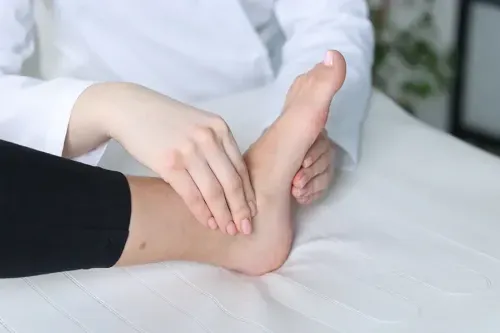
How Do You Treat Peroneal Tendinopathy?
Peroneal Tendinopathy: Symptoms, Causes & Treatment
Peroneal tendinopathy is a common ankle condition that causes pain along the outer side of the foot and ankle. It usually develops when the peroneal tendons, which help stabilise the ankle and support side-to-side movement, become irritated or overworked. This problem is often seen in runners, people who walk or stand for long hours, and those who suddenly increase physical activity. The good news is that peroneal tendinopathy can usually be treated effectively with the right approach.
Below is a clear, practical guide on how peroneal tendinopathy is treated, focusing on safe and widely accepted medical practices.
Understanding Peroneal Tendinopathy
Peroneal tendons run behind the outer ankle bone and attach to the foot. These tendons help control ankle movement and prevent excessive rolling of the foot. Repeated strain, improper footwear, flat feet, high arches, or an old ankle injury can overload these tendons, leading to inflammation or degeneration.
Common symptoms include:
- Pain or swelling on the outer side of the ankle
- Pain that worsens with walking or running
- Stiffness in the ankle, especially in the morning
- A feeling of weakness or instability in the foot
Early treatment is important to prevent the condition from becoming long-term.
Rest and Activity Modification
The first step in treating peroneal tendinopathy is reducing activities that worsen the pain. This does not always mean complete rest, but high-impact movements such as running, jumping, or long walks should be avoided for some time.
Switching to low-impact activities like swimming or cycling can help maintain fitness without putting stress on the ankle. Giving the tendon time to recover is essential for healing.
Ice and Pain Relief
Applying ice packs to the affected area can help reduce pain and swelling. Ice should be applied for about 15–20 minutes, two to three times a day, especially after activity. A cloth should always be placed between the ice and the skin to avoid irritation.
Pain-relieving medicines may sometimes be advised by a doctor to manage discomfort. These should only be used as directed and not relied on for long-term pain control.
Proper Footwear and Support
Wearing supportive footwear plays a major role in recovery. Shoes with good arch support, cushioning, and a stable heel help reduce strain on the peroneal tendons. Worn-out shoes or footwear without support, such as flat sandals, can worsen symptoms.
In some cases, shoe inserts or orthotic supports may be recommended to correct foot alignment and distribute pressure evenly. An ankle brace or taping may also provide temporary support during daily activities.
Physiotherapy and Exercises
Physiotherapy is one of the most effective treatments for peroneal tendinopathy. A trained professional can guide patients through exercises that improve strength, flexibility, and ankle stability.
Common therapy focuses on:
- Gentle stretching to reduce stiffness
- Strengthening exercises for the ankle and lower leg
- Balance training to prevent future injuries
Exercises are introduced gradually to avoid further strain. Consistency is key, and results usually improve over several weeks.
Addressing Underlying Causes
Treating peroneal tendinopathy is not only about relieving pain but also about identifying what caused it in the first place. Poor walking patterns, weak leg muscles, or sudden changes in physical activity are common triggers.
Correcting these factors through posture training, gradual exercise progression, and proper warm-up routines helps prevent recurrence. People who play sports may benefit from guidance on technique and training schedules.
Medical Evaluation and Advanced Care
If symptoms do not improve after several weeks of conservative treatment, a doctor may recommend further evaluation. Imaging tests may be used to check for tendon tears or other ankle issues.
In rare cases where pain persists despite all non-surgical treatments, advanced options may be considered. Surgery is usually the last resort and is only recommended when daily activities are severely affected.
Recovery and Prevention
Most people recover well from peroneal tendinopathy with proper care. Recovery time depends on how early treatment begins and how well advice is followed.
To prevent future problems:
- Increase physical activity gradually
- Wear supportive footwear
- Strengthen ankle and leg muscles regularly
- Avoid uneven surfaces when possible
Conclusion
Peroneal tendinopathy is a manageable condition when treated early and correctly. Rest, proper footwear, physiotherapy, and lifestyle adjustments form the foundation of treatment. Paying attention to ankle health and not ignoring early pain can make a significant difference in recovery and long-term mobility.
If ankle pain continues or interferes with daily life, seeking professional medical advice is always recommended.
Popular Topics
People Also Search For


Health Insurance Coverage for pre-existing medical conditions is subject to underwriting review and may involve additional requirements, loadings, or exclusions. Please disclose your medical history in the proposal form for a personalised assessment.
This FAQ page contains information for general purpose only and has no medical or legal advice. For any personalized advice, do refer company's policy documents or consult a licensed health insurance agent. T & C apply. For further detailed information or inquiries, feel free to reach out via email at marketing.d2c@starhealth.in