





How Does Obstructive Uropathy Cause AKI?
Urinary Blockage and AKI - Understanding Obstructive Uropathy
Kidney health is crucial to our well-being. However, certain health conditions, such as obstructive uropathy, can increase the risk of kidney failure or dysfunction. Globally, an estimated 11–13 million cases of AKI occur annually. In low- and lower-middle-income countries, AKI is commonly associated with infections, dehydration, obstetric complications, and exposure to nephrotoxins, rather than a single dominant cause.
Obstructive Uropathy
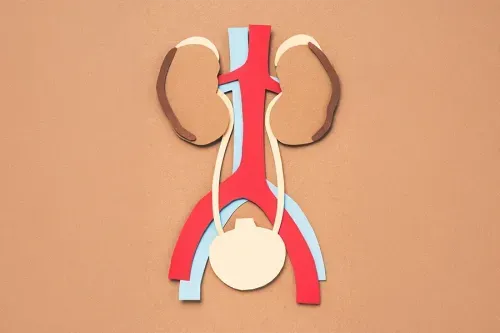
Obstructive uropathy is a structural or functional blockage of the urinary tract that stops urine flow from the kidney through the ureters to the bladder. This blockage leads to urine backup and damage to kidney function. The primary causes of obstructive uropathy may be interlinked with forming acute kidney injury, listed in a tabular format.
| Anatomic Locations | Urinary Tract Obstruction Etiologies |
| Ureter | Kidney stones, cancer, bilateral obstruction, retroperitoneal fibrosis, neurogenic bladder, abscess, stenosis, and ureteral valves |
| Kidney Pelvis | Papillary necrosis and kidney stones |
| Posterior to the Bladder | Cancer, blood clots |
| Urinary System | Pelvic and abdominal malignancies, pelvic fractures, aortic aneurysm, atrophic vaginitis, pelvic organ prolapse |
How Does Obstructive Uropathy Cause AKI?
Obstructive uropathy is often the cause of AKI in approximately 10% of cases. Urinary tract obstruction damages and impairs kidney function due to inflammation and restrictions in blood supply. As the blockage in the urinary tract worsens, it disrupts acid-base, electrolyte and fluid balance, ultimately leading to AKI.
Other reasons for obstructive uropathy-induced AKI include:
- Impair Kidney Function: Obstructive uropathy forces urine back up into the kidneys, which impairs the kidneys' function of filtering waste and fluid and releasing it from the body. Urinary tract obstruction leads to increased intratubular pressure, intrarenal vasoconstriction, and reduced effective renal perfusion, contributing to ischemic injury.
- Inflammation and Ischaemia: Ischaemia refers to restricted blood flow, which results in cellular damage and triggers an inflammatory response. Inflammation and ischaemia in obstructive uropathy decrease the glomerular filtration rate and cause injury to the tubular epithelium. It stops kidney function in maintaining electrolyte balance and filtering waste and causes AKI.
- Increased Pressure: Increased pressure from tumours or, rarely, pregnancy-related pathological ureteric compression can disrupt renal blood flow and glomerular filtration, contributing to AKI. In addition, excessive pressure in the urinary tract system and abdomen compresses kidney tissues and causes acute kidney injury.
- Hydronephrosis: Due to urethral tumours, stones, pelvic-ureteral joint obstruction, bladder tumours, gynaecological cancer, and prostate cancer, ureterohydronephrosis develops at the obstruction site. Hydronephrosis refers to kidney dilation due to urine backflow. Prolonged, severe, or bilateral hydronephrosis can increase intrarenal pressure and may lead to AKI.
- Infection: Obstructive uropathy predisposes patients to urinary tract infection, which can further worsen renal inflammation, reduce perfusion, and exacerbate kidney injury. Infection affects inflammation, lowers kidney perfusion and damages the kidneys.
What is an Acute Kidney Injury?
Acute Kidney Injury (AKI) refers to a sudden, usually reversible, loss of kidney function that happens when the kidneys can no longer filter out waste from the human blood. However, the reversibility of AKI depends entirely on the cause, the severity, and the patient's overall health. It can form quickly, over hours or days, and is usually a risk of another illness or "stress" on the body, instead of a primary kidney disease. AKI varies from mild to severe, and while it could be fatal if untreated, it could often be reversed with the right treatment.
Symptoms of Obstructive Uropathy
There are many symptoms of Obstructive Uropathy. The symptoms of obstructive uropathy include:
- Changes in Urination, like a weak urine stream
- Difficulty Urinating or Urinary Retention
- A frequent or sudden urge to urinate
- A decrease in urine output
Other symptoms can include pain, typically in the lower abdomen or back, blood in the urine, fever, nausea, Vomiting, and swelling in the feet or legs.
The specific symptoms often depend on whether the obstruction developed slowly or suddenly, and if it affects one or both kidneys.
What are the Common Symptoms of AKI?
The common symptoms of AKI include :
- Reduced Urine Output
- Swelling, particularly in your feet, ankles, and around your eyes.
- Fatigue and Weakness due to the buildup of waste products in the blood.
- Breathing Difficulties in the lungs
- Nausea and Vomiting due to the accumulation of toxins in the bloodstream.
- Confusion (in more severe cases) or altered mental status.
- Chest Pain or pressure.
Complications of Untreated Obstructive Uropathy
Untreated obstructive uropathy can lead to serious health complications, including:
- Renal failure
- Urinary tract infection
- Urinary retention
- Haematuria
- Bladder damage
- Sepsis
- Fistula formation and urinary extravasation
Obstructive uropathy is a chronic or acute condition that hinders urine flow and causes urine backflow to the kidney. This condition impairs kidney function, such as filtering waste and fluid from the blood, and leads to acute kidney injury.
Moreover, inflammation and ischaemia due to obstructive uropathy, including excessive pressure on the abdomen and bladder, cause AKI.
Reader Information: This article is intended for general informational and educational purposes only and does not constitute medical advice, diagnosis, or treatment. Obstructive uropathy and acute kidney injury (AKI) can vary widely in cause, severity, and outcome depending on individual health factors. If you experience symptoms such as reduced urine output, pain, swelling, fever, or other signs suggestive of urinary tract obstruction or kidney dysfunction, seek evaluation from a qualified healthcare professional promptly.
HELP CENTRE
Confused? We’ve got the answers
We’re Star Health. We offer the coverage that’s designed to help keep you healthy. It's the care that comes to you, and stays with you.
Yes, Obstructive uropathy can often result in acute kidney injury (AKI), leading to 5% to 10% of all cases of acute renal failure. But, in elderly people (over 60 years), it can happen in up to 55% of AKI cases.
Obstructive uropathy happens when urine can't come out through the urinary tract. Urine accumulates in the kidneys and might trigger them to become swollen. This condition is called hydronephrosis.
Related Health Insurance Links



Health Insurance Coverage for pre-existing medical conditions is subject to underwriting review and may involve additional requirements, loadings, or exclusions. Please disclose your medical history in the proposal form for a personalised assessment.
This FAQ page contains information for general purpose only and has no medical or legal advice. For any personalized advice, do refer company's policy documents or consult a licensed health insurance agent. T & C apply. For further detailed information or inquiries, feel free to reach out via email at marketing.d2c@starhealth.in







