





How to Prevent Shin Splints?
Shin Splints: Causes & Symptoms
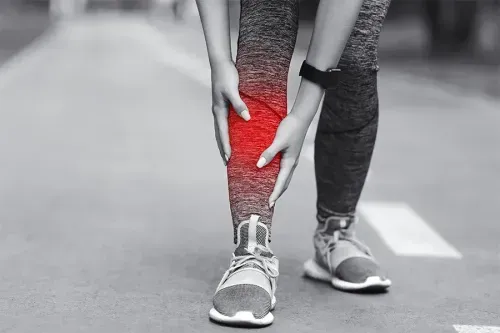
Shin splints are a common overuse injury where you may experience pain in the front of your lower legs (shins). Most people recover from them with rest and ice without long-term health issues. However, if left untreated, shin splints can lead to a tibial stress fracture.
Shin splints develop from repetitive loading of the tibia that exceeds the bone’s ability to remodel, resulting in a bone stress reaction with involvement of surrounding periosteal tissue. Activities like running and jumping can cause your shin bone to swell and weaken. If the bone does not heal properly, the damage can worsen and lead to severe pain. This stress can come from starting a new exercise routine or increasing your activity level too quickly.
What are Shin Splints?
Shin splints, medically known as Medial Tibial Stress Syndrome (MTSS), are characterized by pain along the inner edge of the shin bone (tibia). The pain results from an overuse injury, causing excessive stress on the shin bone and the tissues attaching to it. This is more accurately described as a bone stress reaction rather than simple inflammation. It is most often seen in athletes and individuals who engage in activities that involve repeated impact, such as running or jumping, which place significant stress on the lower leg.
What are the Symptoms of Shin Splints?
The primary symptom is pain along the inner side of the shin bone (tibia). The pain can range from mild to severe and mild swelling may occur, as well. The area along the shin bone is often tender or sore to the touch. The pain is typically exacerbated by physical activity and often feels most intense after ceasing the activity.
What are the Causes of Shin Splints?
Shin splints are caused by repetitive stress on the shin bone (tibia). This stress is generated by the repeated pulling of muscles and connective tissues where they attach to the bone. High-impact activities like running and jumping place significant force on the tibia. Without adequate rest, this can lead to micro-damage and a stress reaction in the bone and its surrounding tissue, causing pain and inflammation. When the bone is not given enough time to repair itself between activities, the micro-damage accumulates, leading to pain. This frequent stress on your lower leg bone can happen due to multiple reasons like staring a new workout routine or increasing physical activity level in a very short period.
5 Preventive Measures to Avoid Shin Splints
You may not be able to completely avoid shin splints, but you can lower your chances of getting them or making them worse. Here are some preventive measures that you can take:
Get the Right Pair of Shoes:
Wear supportive shoes when you exercise. Replace running shoes every 300 miles. Consider using orthotic inserts for arch support. Visit a running shoe store to find the right shoe or orthotic for your foot type. You can also talk to a podiatrist who specializes in shoe-related issues for feet and lower legs.
Avoid Strenuous Exercises:
Starts exercising slowly and gradually increase the intensity and activity levels over time. Avoid sudden increases. You can follow the 10% rule: do not increase your activity by more than 10% each week. For example, if you run 5 miles one week, only increase to 5.5 miles the next week.
Avoid Exercising on Hard Surfaces:
Avoid running on hard, uneven, or hilly surfaces. Hard surfaces like concrete can put extra stress on your muscles and bones, leading to fatigue and shin splints. Choose softer surfaces like:
- Sprung wood floors
- Grass
- Dirt and sand
- Synthetic tracks and turf
Strengthen Your Arch and Foot:
The foot arch continues to develop throughout childhood and typically stabilizes during adolescence. Not staying active can weaken the muscles in your feet and legs, which may cause shin splints. Strengthening your feet can help. For example, while sitting, try using your toes to pull a towel closer.
A physical therapist can show you more exercises. Foot orthotics, like arch supports, can also help. They provide support for low arches, help reduce stress, and improve shock absorption
for high arches. Stronger hip muscles can help absorb shock and pressure during exercise. Ask your physical therapist for suitable exercises.
Consult with a Physical Therapist
Have a physical therapist check your running and jumping form. Poor technique can often lead to shin splints. Therefore, a physical therapist can help improve your form and find which muscles are tight or weak. They can teach you how to stretch and strengthen those muscles.
Here are additional things that you should keep in mind:
- Stretch your muscles to warm them up before exercising. If you run often, add low-impact exercises, like swimming, to give your legs a break from running. Consider cross-training and taking rest days.
- Give your muscles and bones time to heal by resting between activities. Let pain guide you. If you feel shin pain, reduce your activity until it improves. Do not try to push through the pain.
It is important to remember that shin splints are not a permanent issue. You can reduce pain from shin splints by resting, changing your exercise routine, and wearing supportive shoes. If your shin splints last a long time, visit your healthcare provider. You may need tests for stress fractures or other causes of your pain. To stop shin splints from coming back, evaluate your shoes and include stretching and flexibility exercises.
Reader Information: This article is intended for general informational and educational purposes only and does not constitute medical advice, diagnosis, or treatment. Symptoms, causes, and treatment options for shin splints may vary between individuals. Always consult a qualified healthcare professional, such as a physician or physical therapist, before starting or modifying any exercise program or if you experience persistent or worsening pain.
Also Read:
→ What are the 7 Functions of the Lungs
→ What are the 7 Types of Bone Fracture
Popular Topics
People Also Search For


Health Insurance Coverage for pre-existing medical conditions is subject to underwriting review and may involve additional requirements, loadings, or exclusions. Please disclose your medical history in the proposal form for a personalised assessment.
This FAQ page contains information for general purpose only and has no medical or legal advice. For any personalized advice, do refer company's policy documents or consult a licensed health insurance agent. T & C apply. For further detailed information or inquiries, feel free to reach out via email at marketing.d2c@starhealth.in







