





Is Fissure Curable Without Surgery?
Can Anal Fissures Heal Without Surgery?
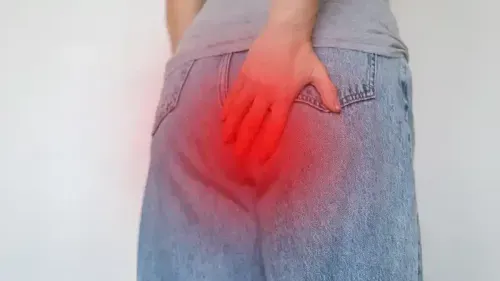
A fissure is a tear or cracks in the skin around the anus that can cause severe pain, especially during or after bowel movements. It may also cause bleeding. Though surgery is a possibility for chronic or destructive fissures, most cases can be easily treated without surgical intervention. Treatment may be necessary depending on the fissure's severity, its causes, and the person's general well-being.
Let's explore the conservative treatments available and when surgery might become necessary.
Conservative Treatment Options for Fissures
If proper care is taken early in the condition, many acute fissures can heal without surgery, although recurrence can occur. The following conservative methods are the most commonly used treatments:
1.Dietary Modifications
One of the best ways to treat a fissure without surgery is by preventing constipation, a major cause of fissures. Dietary changes can allow the body to produce softer stools, thereby lessening strain during defecation.
- High-Fiber Diet: A high-fibre diet, which includes fruits, vegetables, whole grains, and legumes, will add bulk and softness to stools. It may ease bowel movements and also avoid further damage to the fissure.
- Hydration: Proper water intake is necessary to maintain the stool’s softness and avoid constipation.
If followed regularly, these dietary modifications cure fissures and avoid further irritation.
2.Stool Softeners
When diet is not enough, stool softeners may be prescribed. Bulk-forming fiber supplements (e.g., psyllium husk) and stool softeners (e.g., docusate sodium) can help regulate stool consistency and reduce straining. They are used as a short-term measure while the fissure heals.
3.Topical Treatments
Various topical medications treat the pain and facilitate healing in the fissure region. These drugs relieve muscle spasms surrounding the anus, which alleviates pain and helps the area heal more effectively.
- Nitroglycerin Ointment: Nitroglycerin ointment increases blood flow and relaxes the internal anal sphincter, but its use is often limited by side effects such as headaches.
- Calcium Channel Blockers (e.g., nifedipine): Another ointment that works by relaxing the anal sphincter and increasing blood flow to the area of the fissure.
Topical medications, when combined with other treatments, may ease pain and allow healing in the majority of cases.
4.Warm Sitz Baths
A sitz bath in a shallow, warm water tub is an excellent method for relieving pain and aiding healing. The heat relaxes the anal sphincter, eases muscle spasms, and increases blood flow to the area. Sitz baths should be done ideally 10-15 minutes after each bowel movement, or several times daily, to gain maximum benefit.
5.Pain Relief
Over-the-counter medication, including acetaminophen or ibuprofen, may offer short-term relief from the pain experienced by fissures. They may be taken as needed but not regularly relied upon as the primary source of pain relief.
When is Surgery Required?
In most cases, anal fissures are successfully treated by non-surgical means. Fissures that do not heal with conservative treatment may require surgery. The following two procedures are most often employed:
1.Lateral Internal Sphincterotomy
This is the most common surgery for chronic fissures. It is a minor incision in the anal sphincter muscle to relieve and allow healing of the fissure. This procedure may be performed under local, regional, or general anesthesia and has a high success rate for chronic fissures.
2.Fissurectomy
Fissurectomy is less commonly performed and is usually reserved for selected cases, often in combination with other procedures.
Prevention and Long-Term Management
Even if healed successfully, those with a background of anal fissures need to take preventive action to avoid recurrence. These consist of:
- Regular High-Fiber Consumption: Having a regular diet of fruit, vegetables, and whole foods.
- Adequate Fluid Intake: Drink plenty of water daily to produce soft stools.
- Good Toilet Habits: Avoid excessive time on the toilet, and do not strain during bowel movements.
In most cases, fissures can be effectively treated without surgery using diet modification, stool softeners, topical remedies, and sitz baths. However, if the fissure becomes chronic or recurring, surgery may be an option.
Also Read:
→ What is Exactly Done in Bypass Surgery
→ What is Laser Surgery for Eyes
FAQs
Yes. Most anal fissures heal without surgery. With proper care like a high-fiber diet, plenty of fluids, stool softeners, and prescribed ointments, many people recover fully.
An acute anal fissure usually heals within 2 to 6 weeks with non-surgical treatment. Chronic fissures may take longer and need closer medical care.
Popular Topics
People Also Search For


Health Insurance Coverage for pre-existing medical conditions is subject to underwriting review and may involve additional requirements, loadings, or exclusions. Please disclose your medical history in the proposal form for a personalised assessment.
This FAQ page contains information for general purpose only and has no medical or legal advice. For any personalized advice, do refer company's policy documents or consult a licensed health insurance agent. T & C apply. For further detailed information or inquiries, feel free to reach out via email at marketing.d2c@starhealth.in







