





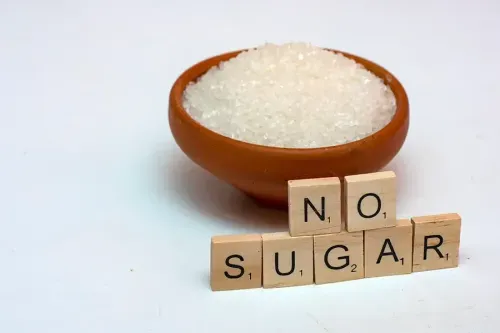
Sustain a No Sugar Diet: Health Benefits
All about No Sugar Diet Health Benefits
India is a country that adorns sweets. From festivals to celebrations, sweets are integral to any Indian diet. However, increased sugar intake can cause serious health issues such as diabetes and obesity.
Therefore, cutting sugar from your diet may help you lead a healthy and sustainable diet. Studies show that reducing added or free sugar intake (not eliminating all sugars) supports weight management, oral health, and cardiovascular health.
Reduce Heart Disease Risk
Regular consumption of sugar‑sweetened beverages is associated with a higher risk of cardiovascular disease, elevated triglycerides, hypertension, and dyslipidaemia. Moreover, it can lead to the following:
- Cardiovascular disease
- Increased Triglyceride
- Increased blood pressure
- High cholesterol
- Stroke
Therefore, slowly decrease your sugar intake to keep your heart happy.
Manage Your Weight Easily
Weight loss is all about eating the proper diet, along with exercise. If you are on a weight loss journey, decreasing your sugar intake will reduce your calorie intake. Overconsumption of added sugar is linked to weight gain and obesity.
Instead of processed food with added sugar, you can opt for fruits and vegetables with natural sugar content.
Better Blood Sugar Control / Reduced Risk of High Blood Sugar Levels
Although maintaining a healthy blood sugar level is essential for your body, high levels can lead to insulin resistance. Chronically high blood sugar can lead to insulin resistance, which increases the risk of developing type 2 diabetes. So, avoid foods such as candy, energy drinks and soda. These contain high amounts of sugar, which can spike your blood sugar levels.
Better Oral Health
Your mouth contains bacteria, which produce lactic acid on sugar consumption. Too much of it causes dental cavities, affecting your oral health and impacting your confidence. Along with reducing sugar intake, follow a good oral hygiene routine. It includes:
- Floss daily
- Brush your teeth using fluoride toothpaste
- Visit your dentist twice a year
Healthy Liver
Excess intake of added sugars, particularly fructose, is associated with non‑alcoholic fatty liver disease (NAFLD), a condition involving fat accumulation in the liver. If left untreated, it can cause fatty liver. Therefore, avoid foods containing high fructose corn syrup. Although you will face difficulty at first adjusting to the lack of sugar, over time, your body will benefit greatly.
Fulfil Your Daily Nutrition Intake
When you focus on nutrient-rich foods instead of empty calories, your body starts to heal itself. Moreover, including nuts, fish, vegetables, and whole grains in your diet will make you feel less snacky.
It not only helps your body but also aids in keeping your weight in a healthy range.
Less Sugar Cravings
Reducing added sugar intake may help decrease habitual cravings over time by lowering frequent reward‑based eating patterns. However, when you adopt a low-sugar diet, your brain no longer associates sugar with dopamine, and your cravings decrease.
Aim to slowly decrease sugar levels rather than at once. The latter may cause increased cravings.
Better Mental Health
Along with improving your physical health, sustaining a no-sugar diet also aids mental health. Diets high in added sugar are associated with an increased risk of mood disorders such as anxiety and depression. Since sugar has a high glycemic index, researchers believe it triggers inflammation in the brain.
On the other hand, a no-sugar diet helps retain memory, with better skin and mental health.
No doubt, added sugar causes serious harm to your body. However, natural sugar provides energy and meets your body's daily sugar intake threshold.
Also Read:
→ Vegetables That Increase Uric Acid Levels
→ What Drink is Good for Bone Repair
→ What to Eat When You Have Chickenpox
→ Which Fruit Has the Highest Protein Content
Popular Topics
People Also Search For


Health Insurance Coverage for pre-existing medical conditions is subject to underwriting review and may involve additional requirements, loadings, or exclusions. Please disclose your medical history in the proposal form for a personalised assessment.
This FAQ page contains information for general purpose only and has no medical or legal advice. For any personalized advice, do refer company's policy documents or consult a licensed health insurance agent. T & C apply. For further detailed information or inquiries, feel free to reach out via email at marketing.d2c@starhealth.in







