





What Are The Natural Remedies to Treat Ear Drainage?
Natural Ways to Treat Ear Drainage & Infections
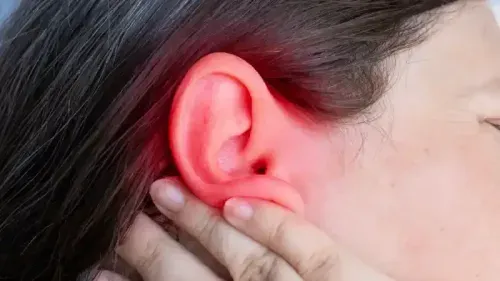
Ear drainage, also known as 'otorrhea', refers to any fluid or discharge coming from the ear. It may appear clear, yellow, bloody, or thick and pus-like and is often linked to ear infections or injuries. In some cases, the drainage may cause ear pain, hearing loss, or a foul odour. So, identifying the underlying cause of pain is very important for proper treatment and to prevent potential complications.
Keep reading to learn more about ear drainage natural remedies, its symptoms, causes and treatment methods.
What are the common natural remedies to treat ear drainage?
Natural remedy techniques can help in ear fluid drainage, pain relief, and congestion reduction.
Here are a few remedies:
- Do a Warm Compress: For boosting blood flow to the affected ear, applying a warm, moist cloth to it will help reduce pain and encourage drainage.
- Steam Inhalation: Steam inhalation can help clear nasal congestion, which can contribute to ear drainage problems. Inhaling steam can open up the Eustachian tubes, allowing trapped fluid to drain.
- Saline Solution: Saline nasal irrigation may help reduce nasal congestion, which can indirectly support Eustachian tube function.
What are the Causes of Ear Infection?
There are many possible causes of an earache, including:
- Bacterial or viral infections (often following a cold)
- Eustachian tube dysfunction
- Allergies
- Sinus infections
- Earwax blockage
- Water trapped in the ear (swimmer's ear)
The most common type of ear infection is called acute otitis media (AOM), also known as a middle ear infection. AOM happens when parts of the middle ear become swollen and infected. Fluid can get trapped behind the eardrum, which causes pain.
What are the symptoms of an ear infection?
Ear infections can cause a variety of symptoms, which may vary depending on how severe the infection is. Here are some common symptoms, which are as follows:
- Ear pain or discomfort: This can range from a dull ache to sharp or stabbing pain.
- Fullness or pressure in the ear: Many people feel a sense of blockage or congestion.
- Hearing difficulties: Hearing may feel muffled or reduced due to fluid build-up in the ear.
- Fluid discharge: In some cases, clear, yellow, or even bloody fluid may drain from the ear.
- Ringing in the ears: Some people may hear a ringing or buzzing sound in the affected ear.
How is an Ear Infection Treated?
Treating an ear infection depends on how severe it is, as well as on the person’s age and overall health. Here are some common treatment options:
- Watchful Waiting: For mild cases, especially in older people, doctors may recommend waiting a few days to see if the infection goes away on its own.
- Pain Relievers: Over-the-counter medications like paracetamol (acetaminophen) or ibuprofen can help relieve pain and reduce inflammation.
- Antibiotics: If the infection is caused by bacteria and does not improve on its own, a doctor may prescribe antibiotics to clear it up.
- Ear Drops: Sometimes, antibiotic ear drops may be prescribed to help fight the infection and reduce pain and swelling in the ear.
- Surgical Drainage: In severe cases, a small surgical procedure may be done to drain fluid from the ear.
- Ear Tubes: A doctor may insert a tiny tube into the eardrum to allow ventilation and prevent fluid buildup in cases of recurrent or chronic ear infections.
Ear drainage and infections can be painful, but knowing their causes, symptoms, and treatment options makes them easier to manage. Simple home remedies, such as warm compresses and steam inhalation, can help relieve discomfort and promote healing, especially for mild cases.
Disclaimer:
The information provided in this article is for general educational and informational purposes only and is not a substitute for professional medical advice, diagnosis, or treatment. Natural remedies mentioned here may offer relief for mild symptoms, but they are not a replacement for proper medical care. Ear drainage, severe ear pain, fever, hearing loss, dizziness, or symptoms that do not improve may indicate a more serious condition that requires prompt evaluation by a qualified healthcare professional. Always consult a doctor before trying any home remedy, especially if you suspect a ruptured eardrum, have a chronic health condition, or are taking other medications. The authors and publishers of this content are not responsible for any adverse effects resulting from the use or misuse of the information provided.
Also Read:
→ Home Remedies for Gout Pain Relief
→ Home Remedies for Wisdom Tooth Pain Relief
→ Foods to Ease Acidity From Heartburn
→ 5 Instant Home Remedies for an Itchy Throat
Popular Topics
People Also Search For


Health Insurance Coverage for pre-existing medical conditions is subject to underwriting review and may involve additional requirements, loadings, or exclusions. Please disclose your medical history in the proposal form for a personalised assessment.
This FAQ page contains information for general purpose only and has no medical or legal advice. For any personalized advice, do refer company's policy documents or consult a licensed health insurance agent. T & C apply. For further detailed information or inquiries, feel free to reach out via email at marketing.d2c@starhealth.in







