





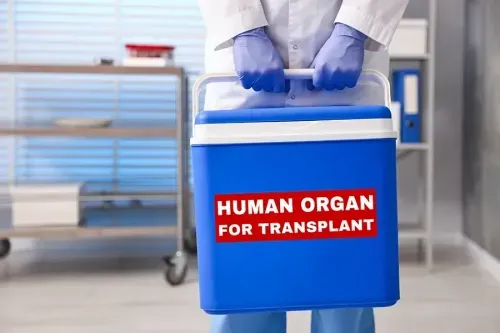
What are the Problems with Organ Transplants?
Organ Transplant Risks: Infection & Long-Term Complications
Any surgery comes with some possible complications. Organ transplant is a miracle in the medical industry that gives a new lease of life with risk. This is a life-saving medical journey that offers hope to millions. From transplant rejection to infection and bleeding, this medical marvellous journey does not end just after surgery.
Problems with Organ Transplants
Like major surgeries, organ transplantation has some risks, including:
- Organ Rejection: Organ rejection is the most common risk of transplanting organs. This occurs when the receiver's immune system immediately attacks the donor's organ as foreign tissue, causing a reaction and rejection.
- Side Effects of Immunosuppressants: Sometimes, to avoid the risk of organ rejection, doctors prescribe immunosuppressant medicines for the rest. Long‑term immunosuppressive therapy is associated with an increased risk of certain cancers, particularly skin cancers and lymphoproliferative disorders.
- Recovery Risk: Organ transplantation recovery has complications regarding infection from surgical wounds, prolonged hospital stay and immunosuppressant use. This medication weakens the immune system of the organ recipient, so the body fails to fight against any infection.
- Bleeding: Bleeding is another risk of organ transplant that is related to significant blood transfusion from blood loss during or after surgery.
- Donor Screening Mistake: Tissue matching and donor screening generally prefer to assess the donor's health and minimise rejections. In some rare cases, if donor screening is not done carefully, undetectable diseases can be transmitted to the recipient's body. In very rare cases, despite extensive donor screening, certain infections such as hepatitis B or C may be transmitted, particularly if the infection is in the window period.
- Organ Dysfunction: Another serious risk is organ dysfunction. It can happen due to decreased blood flow, inflammation, ischemia-reperfusion injury, infections and surgical complications (e.g., anastomotic leaks). Moreover, prolonged surgery, surgical trauma and pre-existing health conditions increase the severity of organ dysfunction.
Apart from these risks, intraoperative cardiac complications are rare but serious events that can occur in high‑risk patients undergoing transplantation.
Organ Transplant Rejection Symptoms
Organ rejection can happen at any time, after a few days, months or years of transplant. Be aware of the symptoms of organ transplant rejections to head to the doctor. These are below the organ transplant specifications.
- High blood pressure, fever, weight gain, low urine output and swelling for kidney transplant rejection.
- Fatigue, shortness of breathing, abdominal or leg swelling and weight gain from heart transplant rejection.
- Dark urine, Jaundice (yellow eyes and skin tone), abdominal pain and nausea for liver rejection.
- Breathing shortness, coughing, fatigue and fever for rejecting the lung's transplantation
Health Problems after Organ Transplant
It is not possible to manifest all threats before surgery, as a few health problems may occur after a successful transplant. After organ transplantation, patients may experience some life-threatening diseases. Here is the rundown:
- High cholesterol
- Diabetes
- High blood pressure
- Uric acid in the blood
- Gastrointestinal problems
- Depression and anxiety
- Unwanted hair growth throughout the body
- Sexual problems like a low sex drive
Apart from these diseases, anaesthesia may cause some problems, including:
- Sore throat from breathing tube insertion
- Allergic reaction to sleeping medicines
- Rare complications of general anaesthesia include respiratory complications such as atelectasis; anaesthesia‑related mortality is extremely uncommon and usually linked to severe underlying illness
Organ rejection is the most common problem. In addition, recovery issues, bleeding, infection, organ dysfunction, and transmission of chronic health diseases are major risks for organ transplantation.
Disclaimer: This article is intended for general informational and educational purposes only. Organ transplantation outcomes, risks, and complications can vary significantly based on the individual patient, the type of organ transplanted, underlying health conditions, and the medical care provided. Seek guidance from qualified healthcare professionals, transplant specialists, or their treating physicians for personalized advice, diagnosis, or treatment decisions related to organ transplantation.
Also Read:
→ Risk Factors for Bladder Cancer
→ Risk Factors for Brain Cancer
→ Risk Factors for Colon Cancer
→ Risk Factors for Cushing's Syndrome
Related Health Insurance Links


Health Insurance Coverage for pre-existing medical conditions is subject to underwriting review and may involve additional requirements, loadings, or exclusions. Please disclose your medical history in the proposal form for a personalised assessment.
This FAQ page contains information for general purpose only and has no medical or legal advice. For any personalized advice, do refer company's policy documents or consult a licensed health insurance agent. T & C apply. For further detailed information or inquiries, feel free to reach out via email at marketing.d2c@starhealth.in







