





What are the Treatment Options Specifically for Anal Fissures
Fissure Piles Treatment Guide
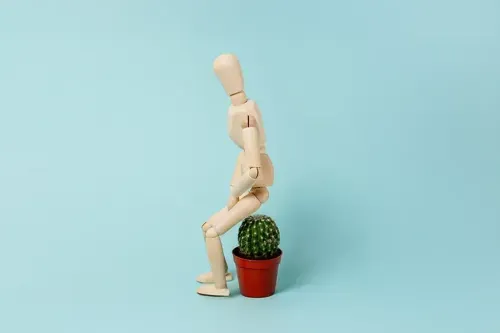
Anal fissures are quite common and can happen to anyone, no matter your age. Simply put, an anal fissure is a small cut or tear in the lining of your anus. This usually happens if you have hard stools, struggle with constipation, or strain during bowel movements. While it can feel uncomfortable and even a bit embarrassing, the good news is that anal fissures are very treatable, especially if you take action early.
In this guide, we’ll walk you through the different ways to treat anal fissures, starting from easy home remedies to medical and surgical options. This way, you’ll know what works best at every stage.
Understanding Anal Fissures
Anal fissures are usually classified into two types:
- Acute fissures: Fresh tears that heal within a few weeks
- Chronic fissures: Long‑lasting fissures that may not heal easily and can cause repeated pain
Common symptoms include sharp pain during or after bowel movements, burning sensation, itching, and sometimes small amounts of bleeding.
The choice of treatment depends on the severity of the fissure and how long it has been present.
Home Remedies for Anal Fissures
Most fresh anal fissures can heal on their own with a few simple changes to your daily routine. These home remedies help ease pain, make stools softer, and give your body a chance to heal naturally.
- Increase Fibre Intake: Eating more fibre is one of the best ways to prevent constipation and avoid straining when you go to the toilet. Try to add more fruits, vegetables, whole grains, and pulses to your meals every day. Fibre helps keep your stools soft and much easier to pass.
- Drink Plenty of Water: Drinking plenty of water is important for good digestion. Staying well-hydrated keeps your stools soft and helps prevent more tears from happening.
- Warm Sitz Baths: Try sitting in warm water for about 10 to 15 minutes, two or three times a day. This simple step relaxes your muscles, boosts blood flow, and eases pain. Many people find this to be one of the most soothing and effective ways to get relief from anal fissures.
- Avoid Straining: Try not to force yourself during bowel movements or spend too long on the toilet. Go as soon as you feel the urge, so your stools don’t get hard and difficult to pass.
Medical Treatment Options for Anal Fissures
If you don’t feel better after trying home remedies for a few weeks, it’s a good idea to see a doctor. Medical treatments can help relax your muscles and speed up healing.
- Topical Ointments and Creams: Doctors may suggest special creams or ointments that relax your anal muscles and boost blood flow. Using these regularly can ease pain and help you heal faster.y.
- Pain Relief Medications: You might also be advised to take mild painkillers to help with discomfort, especially when you go to the toilet. Always use these only as your doctor recommends.
- Stool Softeners: Stool softeners can make it easier to pass stools and take the pressure off the fissure. These are especially useful if you still have hard stools even after changing your diet.
- Botox Injections: In some cases, botulinum toxin injections may be used to temporarily relax the anal muscles. This reduces spasms and allows the fissure to heal naturally over time.
Surgical Treatment for Chronic Anal Fissures
If your anal fissure becomes long-lasting and doesn’t get better with other treatments, your doctor might suggest surgery. This is usually only needed if nothing else has worked.
Lateral Internal Sphincterotomy (LIS)
The most common surgery for chronic anal fissures is called lateral internal sphincterotomy. In this procedure, the doctor makes a small cut in the anal muscle to lower tension, boost blood flow, and help you heal. Most people who have this surgery get long-term relief.
Surgery is generally safe, but it’s important to talk things over with your doctor and understand all the details before making a decision.
Lifestyle Changes to Prevent Recurrence
Even after you’ve healed, making a few lifestyle changes can go a long way in stopping anal fissures from coming back.
- Maintain a high‑fibre diet.
- Stay hydrated throughout the day.
- Exercise regularly to support digestion
- Avoid delaying bowel movements
- Manage stress, which can affect digestion
Sticking to these healthy habits really lowers your chances of getting another fissure.
When to See a Doctor?
You should consult a doctor if:
- Pain lasts longer than two weeks
- Bleeding continues or worsens
- Home treatments do not provide relief
- Pain interferes with daily activities
Getting medical advice early can help you avoid complications and may even keep you from needing surgery.
Conclusion
Anal fissures can be painful, but they are highly manageable with the right treatment approach. From simple home remedies and dietary changes to medical therapies and surgical options, effective fissure treatment is available at every stage. Early care, proper hygiene, and healthy lifestyle choices are the keys to quick recovery and long‑term relief.
If your symptoms don’t go away, don’t hesitate to see a doctor. Getting help early means you’ll heal faster and feel better sooner.
Also Read:
→ What Happens If Myeloma Isn't Treated
→ What is Involved In the Piles Injection Treatment
→ What is Panchakarma Treatment
Popular Topics
People Also Search For


Health Insurance Coverage for pre-existing medical conditions is subject to underwriting review and may involve additional requirements, loadings, or exclusions. Please disclose your medical history in the proposal form for a personalised assessment.
This FAQ page contains information for general purpose only and has no medical or legal advice. For any personalized advice, do refer company's policy documents or consult a licensed health insurance agent. T & C apply. For further detailed information or inquiries, feel free to reach out via email at marketing.d2c@starhealth.in







