





What is Appendicitis?
Appendicitis: Types, Causes, Symptoms & Diagnosis
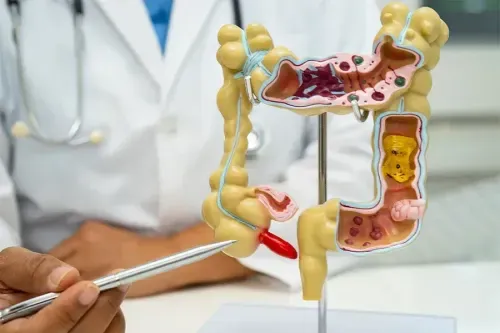
The appendix is a small, finger-shaped pouch attached to the large intestine. The appendix was previously considered a vestigial organ, but current evidence suggests it may play a role in immune function and maintaining healthy gut bacteria, but when it is inflamed, it often causes significant health complications. Appendicitis is an inflammation of the appendix that must be treated urgently.
However, although the appendix is considered a vestigial organ, problems with it must be acted on quickly since they can get worse easily and become life-threatening.
Read below to know more!
What are the Types of Appendicitis?
Appendicitis may present in different forms and stages, each with distinct clinical characteristics:
| Type | Description |
| Acute Appendicitis | A blocked appendix results in quick inflammation and can eventually cause severe pain and a ruptured appendix. |
| Chronic Appendicitis | Inflammation that is prolonged may lead to periodic abdominal pain; it is rare and controversial, characterized by prolonged or recurrent abdominal pain, and can be difficult to diagnose. |
| Appendiceal Abscess | Pus building up as a result of a ruptured appendix causes localized infection. |
What are the Causes of Appendicitis?
Appendicitis happens when the appendix becomes inflamed, usually due to a blockage. Here are some common causes:
- Obstruction: This can be due to hardened stool, enlarged lymph nodes, or even tumors.
- Infection: Gastrointestinal infections can cause lymphoid hyperplasia, which in turn can lead to inflammation in the appendix
- Inflammation from Intestinal Diseases: Bacterial or viral inflammation inside the digestive tract may affect the appendix. Some appendix issues can be linked to conditions such as Crohn’s disease.
- Trauma: In very rare cases, an injury to the abdomen can lead to appendicitis, though a direct causal relationship is not well established.
What are the Symptoms of Appendicitis?
The signs of appendicitis can vary, but common symptoms include:
- Severe Abdominal Pain: Typically, it’s first felt around the belly button and then moves to the lower right of the stomach.
- Loss of Appetite: Nausea makes it difficult to eat comfortably.
- Fever and Chills: The body works to fight an infection by increasing its temperature.
- Nausea and Vomiting: Frequently confused with a stomach bug.
- Constipation or Diarrhea: Digestive disruptions may occur.
If these symptoms persist or worsen, seeking medical help is essential.
How is Appendicitis Diagnosed?
To accurately diagnose appendicitis, the doctor may conduct:
- Physical Examination: Looking for tenderness and rigidity in the abdomen.
- Blood Tests: To notice signs of infection, such as an elevated white blood cell count.
- Imaging Studies: Ultrasound or CT scans to visualize the appendix and surrounding areas.
- Urinalysis: To ensure that appendicitis symptoms are not mistaken for urinary tract infection.
Timely diagnosis is essential to prevent complications like rupture and peritonitis.
What are the Treatment Options for Appendicitis?
Treatment strategies depend on the specific condition:
- Acute Appendicitis: Appendectomy, surgical removal of the appendix, is the standard treatment used.
- Chronic Appendicitis: Patients may need appendectomy if their symptoms do not improve.
- Appendiceal Abscess: Treatment starts with antibiotics and is followed by removing the fluid and possibly surgery.
- Appendiceal Tumors: Appendiceal tumors are managed based on tumor type and stage. Surgery is the primary treatment, while chemotherapy may be considered for certain malignant tumors depending on histology and spread.
Prompt surgical intervention is critical in acute cases to prevent rupture and subsequent complications.
What are the Prevention Tips for Appendicitis?
While it's not always possible to prevent appendicitis, certain measures may reduce risk:
- Regular Medical Check-ups: Identifying gastrointestinal problems early can lead to prevention.
- Avoiding Processed Foods: Consuming less processed food may support a normal and healthy digestive system.
- Hydration: Drinking enough water improves digestion and makes it less likely for your intestines to be blocked.
- Regular Exercise: Staying active supports overall gut health and may lower the risk of inflammation.
Maintaining overall digestive health is a proactive approach to reducing the risk of appendix-related conditions.
What are the Complications of Appendicitis?
Appendix-related diseases, especially appendicitis, can lead to serious complications if left untreated. Some of the major complications include:
- Peritonitis: An infection of the abdominal lining can develop when the appendix ruptures, causing severe pain, increased body temperature, and breathing difficulties.
- Abscess Formation: Pockets containing pus may be found around the appendix and must be drained and treated with antibiotics.
- Bowel Obstruction: Inflammation can stop food from moving through the intestines, resulting in digestive issues.
- Sepsis: If the bacteria infect the bloodstream, they can cause major organs to fail, possibly leading to death.
- Gangrenous Appendicitis: The lack of blood flow to the appendix can cause tissue death and raise the risk of perforation.
- Complications in Pregnancy: In the event of appendicitis in pregnancy, perforation may result in a higher chance of fetal loss.
Appendicitis is a medical emergency that should never be ignored. Recognizing symptoms early and seeking immediate care can prevent severe health risks. If you or someone you know experiences persistent abdominal pain, consult a doctor promptly.
Also Read:
→ What is Cardiovascular Disease



Health Insurance Coverage for pre-existing medical conditions is subject to underwriting review and may involve additional requirements, loadings, or exclusions. Please disclose your medical history in the proposal form for a personalised assessment.
This FAQ page contains information for general purpose only and has no medical or legal advice. For any personalized advice, do refer company's policy documents or consult a licensed health insurance agent. T & C apply. For further detailed information or inquiries, feel free to reach out via email at marketing.d2c@starhealth.in







