





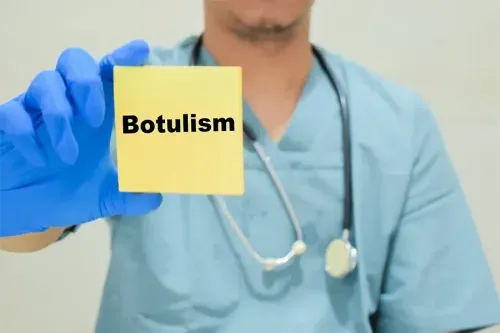
What is Botulism?
Understanding Botulism: Key Forms & Symptoms
Botulism is an uncommon yet dangerous medical condition that targets the body’s nervous system. It exists in several different forms, such as foodborne, infant, and wound botulism. The disease is usually caused by the bacterium Clostridium botulinum, which releases a potent neurotoxin. Common signs include muscle paralysis and weakness. Immediate treatment with antitoxins can help prevent further damage.
Keep reading to explore more about this rare but severe illness.
Understanding Botulism
Botulism is a potentially life-threatening disease that disrupts nerve function and can be fatal if untreated. It is caused by the Clostridium botulinum, a bacterium that produces a toxin that targets the nervous system. The neurotoxin is among the most potent known and can cause total body paralysis if left untreated.
Although rare, botulism has one of the highest case-fatality rates among foodborne illnesses if untreated, due to its paralytic effects.
What are the Various Forms of Botulism?
There have been six forms of botulism that have been identified:
1. Foodborne Botulism
It is when people eat food containing the botulinum toxin. It is typically associated with inappropriately processed home-canned, preserved, or fermented food. In rare instances, foods that have been commercially prepared may also become contaminated with the toxin.
2. Wound Botulism
Wound botulism develops when the spores of C. botulinum enter an open wound and produce toxins. It is more common in individuals who inject street drugs or have experienced traumatic injury, such as an accident or surgery.
3. Infant Botulism
This type occurs in infants when the spore of the bacteria grows and secretes toxins within the infant's gastrointestinal tract. Infants are more susceptible due to immature gut microbiota, which allows spores to germinate and produce toxin.
4. Iatrogenic Botulism
This is a paradoxical form that results from the incorrect overuse of botulinum toxin during medical or cosmetic procedures. Iatrogenic botulism is extremely rare and typically occurs due to dosing errors, misuse, or unregulated administration, rather than standard clinical practice.
5. Adult Intoxication Toxemia
Also referred to as adult intestinal colonization, this is a very rare form. This occurs when spores germinate and generate toxins in adult intestines, similar to infant botulism. The exact cause is still unclear, but those with pre-existing gastrointestinal disorders may be more susceptible.
6. InhalationalBotulism
Also referred to as aerosol‑acquired botulism, inhalational botulism is an extremely rare form of the disease. It occurs when botulinum toxin is inhaled into the respiratory tract, rather than being ingested or entering through a wound. This form is not naturally occurring and is most often associated with laboratory accidents or intentional aerosol exposure. The toxin enters the bloodstream through the lungs and affects the nervous system in the same way as other forms, leading to progressive, descending muscle paralysis.
What Are the Symptoms of Botulism?
In Infants
The symptoms of infant botulism are variable in intensity and can gradually develop over days to weeks following exposure of an infant to Clostridium botulinum spores. Some of the most typical symptoms are:
- Ptosis (Sagging eyelids)
- Weak or absence of facial movement
- Excessive drooling
- Weak, soft cry
- Difficulty with sucking or feeding
- Diminished gag reflex
- Constipation
- General body limpness or reduced muscle tone
- Breathing difficulties
In Older Children and Adults
In adults and older children, symptoms typically start in facial muscles, eyes, or throat and can advance to other parts of the body if left untreated. Symptoms may occur hours after exposure to the toxin or several days following exposure. Possible symptoms include:
- Drooping eyelids
- Blurred or double vision
- Dry mouth
- Slurred or muffled speech
- Sensation of choking on swallowing (dysphagia)
- Shortness of breath
- Weakening or paralysis of limbs
- Nausea and/or vomiting
What Causes Botulism?
Clostridium botulinum is the leading cause of botulism, although Clostridium baratii and Clostridium butyricum can also lead to this condition. The bacteria produce spores that grow under certain conditions, especially where:
- Oxygen is very limited or completely absent
- Food is stored at warm temperatures
- Cooking temperatures are too low
- Acidity, salt, or sugar levels are inadequate
- There’s enough moisture to support bacterial growth
Once these spores germinate, they release a potent neurotoxin that interferes with nerve functions, causing botulism.
You are most susceptible when foods that have been home-canned, fermented, or pickled have not been processed correctly. These anaerobic environments favor the reproduction of bacteria. While it’s rare, commercially prepared foods can also carry the bacteria if not handled correctly. Importantly, botulism isn't limited to food sources-it can also be contracted through wounds or other exposure routes.
What are the Preventive Actions against Botulism?
Botulism can be prevented with the correct precautions. The essential considerations you need to follow to avoid botulism are as follows:
- Make sure to keep the products marked as ‘keep refrigerated’ in the fridge.
- Keep baked potatoes wrapped in aluminium foil hot until they are served.
- Keep the canned products in the refrigerator once you have opened the seal and consume them within a few days.
- Store the hot food above 60°C and cold food below 5°C. Don’t consume food from broken, damaged, or bulging cans or bottles.
- Do not keep cans of food that look like they’re swelling from the inside.
- Home-canned foods should be pressure-canned at 121°C using times specific to the food type, jar size, and altitude, as per food safety guidelines.
- You cannot see, smell, or taste the botulinum toxin. Do not taste food that you suspect may be contaminated. When in doubt, throw it out.
- By adhering to appropriate wound care, botulism induced by wounds can be avoided.
- Never give honey or any products containing honey to children under 1 year old. This is the primary prevention for infant botulism.
How is Botulism Treated?
If botulism is detected in you, hospitalization would usually be required. Depending on the extent and type of botulism, your physician may choose from a variety of treatments:
- Antitoxin Therapy: The primary treatment for botulism involves the intravenous administration of an antitoxin that prevents the toxins from destroying the body. This treatment will work best when given early and can also stop the progression of the symptoms.
- Antibiotic Treatment: In wound botulism, infection is managed using surgical debridement and appropriate antibiotics. In foodborne and infant botulism, antibiotics are not typically administered.
- Assisted Breathing: Patients with botulism of respiratory muscles might need to be administered assisted breathing through the assistance of a ventilator. Patients with severe cases will require mechanical ventilation for weeks or months.
- Rehabilitation Services: Recovery may involve various therapies, including speech and physical therapy, especially if the illness has affected swallowing, communication, or muscle strength.
Botulism is a rare condition but can lead to severe nerve damage, muscle paralysis, and even death if not promptly treated. If you or your child ever notices anything strange, such as difficulty breathing, vision problems, or weakness in the muscles, get medical help right away.
Complications of Botulism
Botulism can lead to several complications, but one of the most immediate risks is that you will face difficulty while breathing.
Some other possible complications may include:
- Trouble speaking
- Difficulty swallowing
- Persistent fatigue
- Shortness of breath
Also Read:
→ What is Cardiovascular Disease
People Also Search For


Health Insurance Coverage for pre-existing medical conditions is subject to underwriting review and may involve additional requirements, loadings, or exclusions. Please disclose your medical history in the proposal form for a personalised assessment.
This FAQ page contains information for general purpose only and has no medical or legal advice. For any personalized advice, do refer company's policy documents or consult a licensed health insurance agent. T & C apply. For further detailed information or inquiries, feel free to reach out via email at marketing.d2c@starhealth.in







