





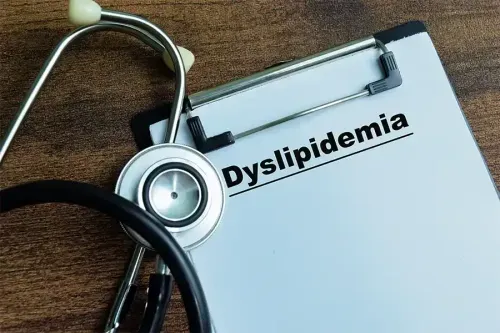
What is Dyslipidemia Disease?
Dyslipidemia Disease: Key Symptoms & Main Causes
Dyslipidemia often develops silently, without clear symptoms, but over time it can lead to heart disease, stroke, and other complications. This article will explain the symptoms, diagnosis, and treatment options for dyslipidemia. Read on to learn how to manage and reduce your risk for heart-related illnesses.
What is a Dyslipidemia Disease?
Dyslipidemia is a condition where the levels of fats, or lipids, in the blood become abnormal. These lipids include cholesterol and triglycerides, which are essential for the body’s normal functions. However, when their levels are too high or too low, they can increase the risk of serious health problems.
What are the Types of Dyslipidemia?
Dyslipidemia is categorized into two main types: primary and secondary. Primary dyslipidemia is passed down from family members and is genetic. Whereas, secondary dyslipidemia develops from other health conditions or lifestyle habits, such as being overweight or having diabetes.
Specific forms of inherited (primary) dyslipidemia include :
- Familial combined hyperlipidemia: This is the most common inherited cause of high LDL and high triglycerides. It often starts in the teen years or early adulthood and increases the risk of early heart disease.
- Familial hypercholesterolemia and polygenic hypercholesterolemia: These conditions result in high total cholesterol levels.
- Familial hyperapobetalipoproteinemia: This involves high levels of a protein called apolipoprotein B, which is part of LDL cholesterol.
- Hyperlipoproteinemia: This can be inherited or acquired. It makes it hard for your body to break down LDL cholesterol or triglycerides.
What are the Symptoms of Dyslipidemia?
You can have dyslipidemia without any signs or symptoms. However, if left untreated, dyslipidemia can lead to heart-related diseases that do have symptoms. For example:
- Coronary artery disease (CAD), which affects the arteries of the heart and may cause chest pain or lead to a heart attack.
What are the Causes of Dyslipidemia?
Certain habits and conditions can lead to dyslipidemia, including:
- Smoking cigarettes
- Being overweight or inactive
- Eating foods high in saturated fats and trans fats
- Drinking too much alcohol
What are the Risk Factors of Dyslipidemia?
Having a family history of dyslipidemia can increase your chances of developing the condition. Age is another important factor. Before menopause, women generally have lower levels of LDL (bad) cholesterol compared to men. However, after menopause, women's LDL levels typically rise, which raises their risk for cholesterol-related health issues.
Other medical problems that increase the risk include:
- Type 2 diabetes
- An underactive thyroid (hypothyroidism)
- Long-term kidney disease
How is Dyslipidemia Diagnosed?
Regular monitoring of blood lipid levels is important for detecting and managing dyslipidemia effectively:
- A lipid panel is a blood test that checks key fat levels in your blood, including:
- LDL (low-density lipoprotein or “bad” cholesterol)
- HDL (high-density lipoprotein or “good” cholesterol)
- Triglycerides
- Your doctor will also review your personal and family medical history and calculate your 10-year risk of cardiovascular disease using a risk assessment tool.
Lipid testing frequency depends on individual cardiovascular risk and treatment status. For low-risk adults, testing every 4–6 years may be sufficient, while people with cardiovascular disease or on lipid-lowering therapy may require more frequent monitoring. Most routine lipid tests can be done without fasting. Fasting may be recommended in specific situations, such as when triglyceride levels are very high or for follow-up of abnormal results.
What are the Dyslipidemia Treatment Options?
The most common medications for dyslipidemia are called statins. Statins work by slowing down cholesterol production in the liver, which helps lower LDL levels. Other cholesterol-lowering drugs may also be prescribed. Non-statin options include:
- Ezetimibe
- Fibrates, such as fenofibrate
- PCSK9 inhibitors, a newer type of medication that can significantly lower LDL levels
What are Some Helpful Lifestyle Changes?
Along with medication, making healthy changes in your daily routine can improve your lipid levels and overall heart health. These changes include:
- Cutting back on unhealthy fats found in red meat, full-fat dairy, fried foods, chocolate, chips, and processed carbs
- Exercising regularly to improve cholesterol
- Limiting or avoiding alcohol
- Quitting smoking
- Eating more healthy fats, such as those in nuts, seeds, fish, legumes, whole grains, and olive oil
- Adding plenty of fiber to your diet through fruits, vegetables, and whole grains
- Getting at least 6 to 8 hours of good-quality sleep every night
- Drinking plenty of water to stay hydrated
Dyslipidemia can silently increase your risk of serious health problems like heart attacks and strokes. Recognizing the condition early and taking steps to manage it can greatly reduce these risks and support long-term heart health.
With the right treatment and support, many people successfully control their cholesterol and live healthier lives.
Also Read:
People Also Search For


Health Insurance Coverage for pre-existing medical conditions is subject to underwriting review and may involve additional requirements, loadings, or exclusions. Please disclose your medical history in the proposal form for a personalised assessment.
This FAQ page contains information for general purpose only and has no medical or legal advice. For any personalized advice, do refer company's policy documents or consult a licensed health insurance agent. T & C apply. For further detailed information or inquiries, feel free to reach out via email at marketing.d2c@starhealth.in







