





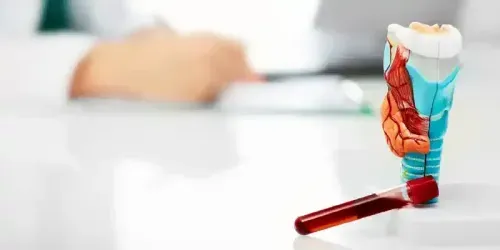
What is Congenital Hypothyroidism
Causes, Symptoms & Treatment of Congenital Hypothyroidism
Congenital hypothyroidism is a medical disorder that significantly disables physical growth and mental development. The root cause of the syndrome is usually a deficiency of thyroid hormones due to a poor diet lacking sufficient iodine. Congenital hypothyroidism patients may exhibit body shortness, persistent tiredness, coarsening of the face, bone maturation defects, and disruption of mental processes in general.
To learn more about it, read on!
Understanding Congenital Hypothyroidism
Congenital hypothyroidism, also known as Congenital Iodine-Deficiency Syndrome, results from a deficiency of iodine during pregnancy. This iodine shortage leads to a deficit in thyroid hormones. When the infant is born with an underactive thyroid due to this, it is called congenital hypothyroidism. Without early and proper medical treatment, this condition can severely hinder the child’s physical and intellectual development.
What are the Symptoms of Congenital Hypothyroidism?
Similar to any of the diseases in the medical field, congenital hypothyroidism exhibits a pattern of identifiable signs that can help in early diagnosis. Among the most prominent and often seen are:
- Slowed or delayed tendon reflex
- Tissue swelling (myxedema)
- Bulging tongue
- Swelling of the abdomen
- Hearing loss and speech disorder
- Posture and balance difficulty
- Low IQ and intellectual disability
- Dense, coarse skin
- Deep, hoarse voice
- Enlargement of the thyroid gland (goitre)
- Stunted body growth and late development
- Presence of an umbilical hernia
- Delayed development of sexual characteristics
- Sparse hair and underdeveloped nails
- Short stature or dwarfism
- Poor muscle tone and coordination, often with mild neurological issues
What are the Causes of Congenital Hypothyroidism?
Congenital hypothyroidism is caused by a wide range of underlying reasons, the majority of which are thyroid or iodine deficiency. The primary causes for this condition are as follows:
- Congenital goitrous conditions such as lack of the thyroid gland or inability to produce enough thyroid hormone from birth.
- Inadequate dietary supply of iodine is referred to as endemic hypothyroidism.
- There has to be a specific amount of thyroid hormone from the mother while pregnant so that the fetus can develop properly. Because the fetus relies on the mother's thyroid hormones, passed through the placenta, in order to lay down its brain, any lack will lead to damage.
- Thyroid hormones are also crucial in the development of the central nervous system, particularly in the neonatal and fetal stages of life. Without them at these life stages, overall neurological growth can be impeded.
- The hormones control bone and muscle development but are predominant in skeletal muscle compared to soft tissue. In congenital hypothyroidism , disturbance of this development will mainly cause abnormally developed proportions between the skeleton and soft tissue.
There are several reasons for hypothyroidism in infants, such as:
- Irregular or complete failure of thyroid development within an embryo.
- Genetic defect to produce thyroid hormones.
- Radioactive iodine therapy or antithyroid medications are taken during pregnancy to manage thyroid cancer that may affect the fetus.
- Intake of some medications such as lithium, sulfonamides, or antithyroid drugs by the mother during pregnancy, which interfere with thyroid function.
- Deficiency of iodine in the mother's diet during pregnancy.
As the body of a human being cannot naturally produce iodine, it needs to be taken in by means of foods.
What is the Treatment of Congenital Hypothyroidism?
Congenital hypothyroidism, being most frequently caused by congenital hypothyroidism, needs to be treated early and effectively to prevent permanent injury. Treatment should be initiated as early as possible, ideally within the first 1–2 weeks of life to gain the maximum developmental advantage.
1. Early Diagnosis and Early Treatment
Diagnosis is established on the basis of thyroid function tests and clinical examination. Treatment must be started immediately upon diagnosis to avoid permanent damage.
2. Thyroxine Replacement Therapy
The primary treatment is levothyroxine, an artificial thyroid hormone. Starting doses are typically 10-15 micrograms per kilogram of body weight per day. Dosages need to be changed as the child develops to provide the correct hormone amounts.
3. Daily Medication
Thyroxine needs to be taken daily to help maintain an equilibrium of hormones. Poor adherence to levothyroxine therapy over time can negatively affect growth and neurodevelopmental outcomes.
4. Potential for Improvement
Although some of the injuries, particularly to mental function, are irreversible, treatment at an early stage can prevent the loss from progressing and can even enhance physical and neurological function.
5. Administration of the Medication
The levothyroxine tablets may be crushed and mixed with water, formula, or milk to make it easier to give to infants. Parents should be cautious with formula feeding, as soy-based formulas can reduce the absorption of the hormone.
6. Follow-Up Care and Monitoring
Maintenance of long-term care involves continuous hormone level monitoring and adjustment of medication as appropriate. Regular consultation with a pediatric endocrinologist is necessary to provide optimal growth and health outcomes.
Congenital hypothyroidism is a preventable but serious illness that is typically caused by congenital hypothyroidism and maternal iodine insufficiency. It can severely impair a child’s physical and cognitive growth if not treated promptly. However, early diagnosis and ongoing hormone replacement therapy can avert or considerably mitigate most of the unwanted effects.
Also Read:
→ What is Dyslipidemia Disease
People Also Search For


Health Insurance Coverage for pre-existing medical conditions is subject to underwriting review and may involve additional requirements, loadings, or exclusions. Please disclose your medical history in the proposal form for a personalised assessment.
This FAQ page contains information for general purpose only and has no medical or legal advice. For any personalized advice, do refer company's policy documents or consult a licensed health insurance agent. T & C apply. For further detailed information or inquiries, feel free to reach out via email at marketing.d2c@starhealth.in







