





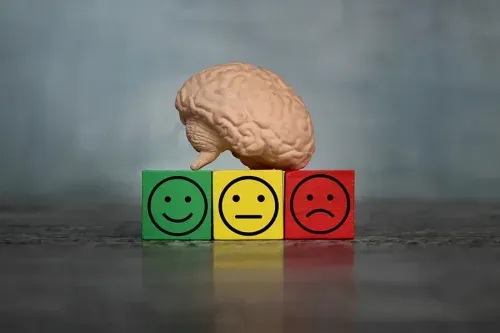
What is Mental Illness?
Mental Illness: What does it mean? Key symptoms & Causes
Mental illness is a group of diseases that affect your mood, thoughts, and actions. It is normal for individuals to encounter mental health problems at some point during their lives. But if the symptoms persist and create continuous stress that disrupts usual functioning, it is referred to as a mental illness.
These mental disorders have an impact on your quality of life, hindering your performance at work, school, or in relationships. However, most of the symptoms can be managed with medication and psychotherapy. Keep reading to learn more about it!
What Does Mental Illness Mean?
Mental illness is a disorder that alters one's thinking, feelings, or behavior. It changes the way one perceives and reacts to the world around them. These conditions most frequently lead to distress and can interfere with one's ability to function appropriately daily, at work, and in social interactions.
Mental illnesses are either transient or long-standing. While some mild forms resolve within a few weeks, others can be chronic and lead to severe disabilities that affect daily living.
What are the Symptoms of Mental Illness?
The signs and symptoms of mental illness can vary widely depending on the disorder, life situation, and other factors. They may affect your thoughts, feelings, and actions. Some of the common signs include:
- Persistent sadness or low mood
- Inability to think clearly or concentrate
- Unusual fears, worries, or excessive guilt
- Mood swings that rapidly switch between highs and lows
- Social withdrawal and contacts
- Extreme tiredness, lack of energy, or sleeplessness
- Feeling out of touch with reality, such as delusions, paranoia, or hallucinations
- Finding it hard to understand or relate to other people and situations
- Alcohol or drug addiction problems
- Apparent appetite changes
- Changes in sexual desire
- Becoming irritable, aggressive, or violent
- Thinking of self-injury or having suicidal thoughts
What are the Causes of Mental Illness?
Mental illnesses generally arise from a combination of genetic and environmental influences, including:
- Genetic Factors: Mental health disorders tend to occur more frequently in individuals who have close family members with similar conditions.
- Prenatal Environmental Exposures: Conditions encountered before birth, such as exposure to stress, inflammation, toxins, alcohol, or drug use during pregnancy, may lay the groundwork for the onset of mental illnesses later in life.
- Brain Chemistry Imbalances: Neurotransmitters are natural chemicals in the brain that transmit signals between nerve cells. Alterations in neurotransmitter systems, along with changes in brain circuits, genetics, and environmental factors, are associated with conditions such as depression and other mood disorders.
How Can I Prevent and Manage Mental Illness?
While not all mental illnesses can be prevented, early intervention and risk‑reduction strategies can lower the likelihood or severity of certain mental health conditions. Here are some steps you should consider:
- Recognize Early Warning Signs: Discuss with your doctor or therapist to identify triggers that may worsen your symptoms. Develop a plan for what to do if symptoms reappear. It’s also helpful to involve trusted family members or friends to monitor for any changes in your behavior or mood.
- Maintain Regular Medical Care: Don’t skip routine checkups or appointments with your primary healthcare provider, especially if you’re feeling unwell. New health issues or medication side effects may affect your mental health.
- Seek Timely Help: Avoid delaying treatment, as mental health problems can become more challenging to manage when symptoms worsen. Ongoing therapy may also reduce the risk of symptom relapse over time.
- Take Care of Your Physical Health: Sleeping enough, having a healthy diet, and exercising are all important. Try to establish a regular daily routine, and if you are having difficulty sleeping or are concerned about your exercise and diet, speak to your healthcare provider.
Reader information: The information provided in this article is intended for general awareness and educational purposes only. It is not a substitute for professional medical advice, diagnosis, or treatment. Mental health conditions vary widely, and symptoms or experiences described here may not apply to everyone. Always seek the guidance of a qualified healthcare professional, psychiatrist, psychologist, or other licensed mental health provider with any questions you may have regarding a mental health condition or treatment. Never ignore professional medical advice or delay seeking it based on information from this article.
Also Read:
→ What is obstructive uropathy


Health Insurance Coverage for pre-existing medical conditions is subject to underwriting review and may involve additional requirements, loadings, or exclusions. Please disclose your medical history in the proposal form for a personalised assessment.
This FAQ page contains information for general purpose only and has no medical or legal advice. For any personalized advice, do refer company's policy documents or consult a licensed health insurance agent. T & C apply. For further detailed information or inquiries, feel free to reach out via email at marketing.d2c@starhealth.in







