





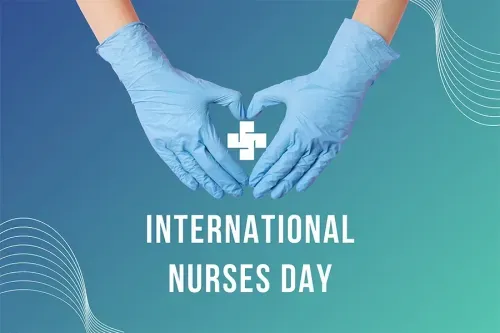
International Nurses Day 2026: Empowering Our Nurses
International Nurses Day 2026: History, Theme & Significance
International Nurses Day 2026 is a global celebration held every 12th of May to recognise the incredible dedication, expertise, and compassion of nursing professionals worldwide. It is a moment to pause and acknowledge that without these tireless caregivers, the entire medical infrastructure would simply collapse. International Nurses Day goes beyond applause.
It is a vital call to action to empower the nursing professionals who anchor healthcare systems globally, ensuring their well-being so they can continue saving lives. The day reminds everyone that healthcare relies on a delicate balance of medical science and human connection.
Understanding How It All Began: The History of International Nurses Day
Every year brings a renewed focus on the 12th of May. This specific date marks the birth anniversary of Florence Nightingale, the foundational philosopher of modern nursing. Often remembered as "The Lady with the Lamp," she revolutionised clinical sanitation and patient care standards during the Crimean War.
The history of International Nurses Day officially took shape in 1974 when the International Council of Nurses established the day globally. Since then, the profession has evolved from its humble origins into a highly technical, demanding scientific field.
Today, the day serves as an annual reminder to ensure society continually recognises the monumental strides made by nurses in both clinical practices and public health policy.
What The 2026 Theme "Our Nurses. Our Future." Actually Means For Healthcare
This year brings an incredibly powerful rallying cry. The theme is Our Nurses. Our Future. Empowered Nurses Save Lives. But what does empowerment actually look like when stepping into a busy clinic or a frantic hospital ward?
Empowering nurses means advocating for tangible, systemic improvements. It involves providing safe working environments, fair compensation, continuous medical training, and vital mental health support. Nursing burnout is a very real challenge facing modern healthcare systems worldwide. Long shifts and high-stress environments take a heavy emotional toll.
When hospital administrators and policymakers invest in the physical and emotional well-being of nursing staff, the quality of patient care rises dramatically.
A supported, well-rested nurse is a focused nurse; and focused nurses save lives. This empowerment also extends to giving nurses a louder voice in healthcare policy decisions.
Understanding The Importance of Nurses in Healthcare and Why They Are Our Lifeline
When discussing why nurses are important, society must look past the stethoscopes and medical charts. They are the essential human bridge between complex medical diagnoses and a patient’s peace of mind.
What The Daily Role of Nurses in Hospitals Entails
The role of nurses in hospitals involves acting as the primary and continuous point of contact for patients and their families.
Consider a nervous parent sitting by their child's bed in a bustling paediatric ward; while the medical team charts the course, the nurse navigates the journey alongside the patient through several critical actions.
- Acting as the primary point of contact to reassure nervous parents and relatives.
- Administering precise medications while constantly monitoring vital signs and life-support machinery.
- Translating intimidating medical jargon into clear and accessible language.
- Serving as diligent observers who catch subtle physical changes like a sudden drop in blood pressure.
- Intervening proactively to stop minor health fluctuations from escalating into life-threatening emergencies.
Looking Beyond the Wards and Nurse's Contribution to Society
Their impact does not stop at the hospital exit doors. A nurse’s contribution to society extends deep into the heart of our communities.
Consider the district nurses who visit the elderly at home, the school nurses managing other health conditions, or the community workers running local vaccination drives. Here is how their work shapes a healthier society.
- Driving Preventative Care: Nurses manage public health programmes and educate families on chronic disease management.
- Boosting Health Literacy: By focusing heavily on education, they empower individuals to make better lifestyle choices, significantly reducing the overall burden on emergency rooms.
- Acting As Community Advocates: They serve as trusted community voices, often identifying social determinants of health that physicians might miss during a brief consultation.
How to Better Support the Nursing Professionals Who Provide Care
Understanding their immense value is only the first step. Creating a sustainable future for healthcare requires active participation from all sectors of society.
Here are three crucial ways to foster a better environment for the nursing workforce.
- Championing Safer Ratios: Society must actively advocate for policies that ensure safer nurse-to-patient ratios. Proper staffing levels are crucial for both patient safety and nurse retention.
- Investing In Education: Supporting nursing student scholarships and demanding better access to advanced medical training ensures the profession remains strong for future generations.
- Practising Everyday Empathy: On a personal level, patience and respect during hospital visits can significantly ease the immense pressure they face. A simple, genuine thank you to the nurse caring for a loved one goes a surprisingly long way.
Key Takeaways
International Nurses Day 2026 is celebrated on 12 May to honour Florence Nightingale’s legacy and modern nursing achievements.
The 2026 theme focuses on empowering nurses through better support systems to improve patient survival.
The importance of nurses in healthcare is unmatched; they are the highly skilled link between medical science and human well-being.
FAQs
It is celebrated globally every year on the 12th of May. This date marks the birthday of Florence Nightingale, the founder of modern nursing.
This day raises public awareness about the vital work nurses perform daily. It serves as a platform to advocate for better healthcare resources, improved working conditions, and professional development.
The official theme is Our Nurses. Our Future. Empowered Nurses Save Lives. This highlights the undeniable link between a well-supported nursing staff and improved patient survival rates.
Nurses provide continuous care, acting as the eyes and ears of any medical team. They administer treatments, offer emotional support, and play a massive role in preventative community health education.
Related Health Info Links
Health Insurance Coverage for pre-existing medical conditions is subject to underwriting review and may involve additional requirements, loadings, or exclusions. Please disclose your medical history in the proposal form for a personalised assessment.
Information on this Health Information page is for educational purposes and not medical advice. Consult a healthcare professional for any health issues and rely on their guidance for diagnosis and treatment. T & C apply. For further detailed information or inquiries, feel free to reach out via email at marketing.d2c@starhealth.in







