

Health Insurance in Veraval
Why Health Insurance is Essential in Veraval
Health Insurance in Veraval: Why It Matters for a Coastal Pilgrimage & Port City
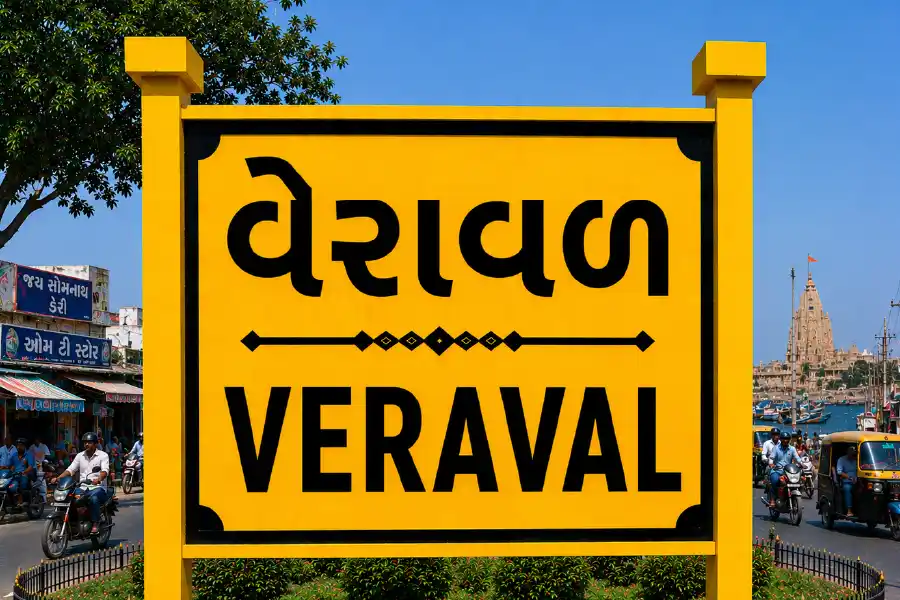
Veraval (also known as Somnath) is a lively coastal city in Gujarat’s Gir Somnath district, best known for its spiritual and sea-facing charm. It draws pilgrims year-round because the Somnath Temple, one of the revered Jyotirlinga sites, is located here. The city is also closely linked with Bhalka Tirth and other sacred spots around the Somnath pilgrimage circuit. Beyond faith and heritage, Veraval is also one of India’s major fishing ports and a hub for seafood processing, meaning the local economy and daily life are deeply connected to the sea.
Potential Health Risks in Veraval (and Why Costs Can Spike)
Being coastal and monsoon-influenced, Veraval faces a mix of seasonal illnesses and lifestyle/occupational risks:
- Monsoon-borne illnesses: Humidity and water stagnation can increase illnesses such as dengue, malaria, typhoid, leptospirosis, stomach infections, and respiratory infections, conditions commonly seen during Gujarat’s monsoon season.
- Coastal disease patterns: Studies note that coastal regions can face different or expanding mosquito-borne disease risks compared to inland areas, influenced by climate and ecology.
- Water/food-related concerns: In a busy tourist-and-port environment, eating outside, unsafe water, and food contamination can trigger gastrointestinal infections and dehydration, especially during rains.
- Occupational & travel risks: Fishing, port work, and seafood processing may involve injuries, infections, and emergency care needs, while pilgrim inflow increases road travel and the chance of unplanned medical expenses (ambulance, ER, hospitalization).
Why Health Insurance is Especially Useful in Veraval
A good health insurance plan can help residents and frequent visitors manage sudden costs from seasonal illness spikes and emergencies.
Key benefits (in short):
- Helps cover hospitalization bills (room rent, ICU, procedures) so savings stay protected.
- Useful for monsoon-triggered infections that may require tests, IV fluids, or admission.
- Encourages timely treatment (less “wait and watch”), reducing complications and downtime.
- Provides peace of mind for families with seniors/children who are more vulnerable during monsoon.
People Also Search For
Star Health Insurance in Other Cities
Health Insurance Coverage for pre-existing medical conditions is subject to underwriting review and may involve additional requirements, loadings, or exclusions. Please disclose your medical history in the proposal form for a personalised assessment.
The information provided on this page is for general informational purposes only. Availability and terms of health insurance plans may vary based on geographic location and other factors. Consult a licensed insurance agent or professional for specific advice. T&C Apply. For further detailed information or inquiries, feel free to reach out via email at marketing.d2c@starhealth.in