





Jaundice Symptoms – Everything to Know About Jaundice
Have you ever noticed someone with a yellow tint to their skin or the whites of their eyes? That’s a classic sign of a condition called jaundice. But it's not a disease itself, it's actually a symptom that your body is having trouble processing a natural waste product called bilirubin.
Think of bilirubin as the leftover "garbage" from your old red blood cells. Your liver acts as the body's recycling plant, filtering this bilirubin out of your blood so it can be removed from your body. Jaundice happens when this recycling system gets backed up, causing bilirubin to build up and tint your tissues yellow.
So, getting into the medical definition of Jaundice - is a condition characterized by the yellow discolouration of the skin, the whites of the eyes (sclera), and mucous membranes. This yellowing occurs due to an excessive buildup of a yellow pigment called bilirubin in the blood. In adults, the initial and most recognizable sign is the visible yellowing of the skin and the whites of the eyes. Other common symptoms that often accompany jaundice include dark brown or tea-colored urine, pale or clay-colored stools, persistent itching (pruritus), fatigue and general malaise and abdominal pain or swelling.
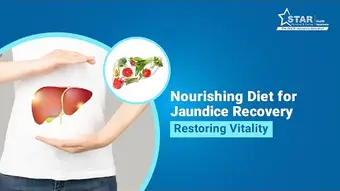
What is Jaundice?
Jaundice is a clinical sign indicating a high level of bilirubin; a yellow pigment produced during the normal breakdown of red blood cells in the bloodstream. This buildup leads to the characteristic yellowing of the skin, the sclera (whites of the eyes), and other mucous membranes.
Diagnosing the symptoms of Jaundice as soon as possible is significant because it helps with the right treatment and prevents any further risks. A primary symptom of Jaundice is usually the yellowing of the skin and whites of the eyes, which is seen between the second and fourth days after birth in a child and could persist for some weeks and for adults the characteristics include yellowing of the skin and eyes, dark urine, pale or clay-colored stools, fatigue, abdominal pain, fever, and loss of appetite. To identify jaundice symptoms, a medical professional may order a bilirubin blood test. But, finding the symptoms at home is also possible. Jaundice in newborns is a global issue, with an estimated 1.1 million babies developing severe hyperbilirubinemia every year, especially in sub-Saharan Africa and South Asia.
Seek medical professional advice if you suspect Jaundice.
What are the symptoms of Jaundice?
There are several Jaundice symptoms that help diagnose an individual who is affected by Jaundice.
1) General Symptoms
Below is the list of General Symptoms of Jaundice: These symptoms were common for all age groups
- The Yellow Flag: Yellowing of the skin and the whites of the eyes (this is often the first and most noticeable sign).
- Dark Urine: Urine may become a very dark yellow, amber, or brown color.
- Pale Stools: Stools can become pale, grey, or clay-colored.
- Itchy Skin: A persistent, often frustrating, itch all over the body.
- Other General Symptoms: Fatigue, weakness, and abdominal pain are also common.
2) Jaundice Symptoms in Adults
Below is the list of Jaundice Symptoms in Adults:
- Fatigue
- Pain in the upper right abdomen
- Fever
- Loss of appetite
- Joint pain
- Unusual weight loss
- Nausea or vomiting
- Bruising or bleeding easily
3) Jaundice Symptoms in Newborns
Below is the list of Jaundice Symptoms in Newborns:
- Sleepiness
- Poor feeding
- Fussiness
- Fewer wet and dirty diapers
Also Read: Fainting Symptoms
Signs of Jaundice
Jaundice is not a disease itself but a visible sign of an underlying medical problem. It becomes apparent when bilirubin, a yellow pigment, builds up in the blood. Treatment focuses on addressing the root cause, and the specific signs can offer clues to what that cause might be.
Common Signs of Jaundice
The hallmark sign is yellowing, which typically appears in the following order:
- The whites of the eyes (sclera)
- The skin
- The mucous membranes (e.g., inside the mouth)
Other common signs that often accompany jaundice include:
- Dark urine: Caused by bilirubin being excreted by the kidneys.
- Pale or clay-colored stools: Indicates a lack of bilirubin reaching the intestines, often due to a blockage.
- Itchy skin (Pruritus): A result of bile salt deposition under the skin.
- Fatigue and weakness
- Abdominal pain and swelling
- Some medications help treat the underlying cause of Jaundice, once the signs are visible. Medications such as cholestyramine may help with itching, and phototherapy (light therapy) is used for newborns, not in adults, to simply break down bilirubin.
How is Jaundice Diagnosed?
Jaundice is diagnosed through a combination of a physical examination, blood tests to measure bilirubin levels and liver function, and imaging studies to identify the underlying cause. Potential causes include liver disease, gallstones, infections, and other medical conditions. For infants, a transcutaneous bilirubinometer; a device that uses light to measure bilirubin through the skin is often used as an initial screening tool.
Initial Assessment
The diagnostic process usually begins with a thorough evaluation of your medical history and a physical exam. Your doctor will ask about any risk factors for liver disease, possible exposure to viruses, and other relevant health details. During the physical exam, the doctor will look for the characteristic yellowing of the skin and eyes and check your abdomen for any tenderness, swelling, or other unusual signs.
Diagnostic Tests
Blood tests play a central role in diagnosing jaundice. They help measure bilirubin levels, assess how well your liver is working, and often point to the underlying cause.
- A bilirubin testspecifically measures the amount of this pigment in your blood.
- Liver function tests (LFTs)provide a broader picture of your liver's health.
- A complete blood count (CBC)can reveal issues with your red blood cells or other blood components.
- Hepatitis testscheck for the presence of viral infections that are a common cause of liver inflammation and jaundice.
Imaging tests are used to get a visual of your liver, gallbladder, and bile ducts.
- An ultrasound (USG)is frequently the first imaging test done, as it can quickly identify blockages in the bile ducts, such as those caused by gallstones.
- For more detailed images, a CT scan or MRImay be used to detect tumours, abscesses, or other structural abnormalities.
- Endoscopic Retrograde Cholangiopancreatography (ERCP)is a specialized procedure that uses an endoscope and X-rays to both diagnose and treat blockages in the bile ducts.
Additional tests may be needed to confirm a diagnosis:
- A urinalysiscan detect the presence of bilirubin or related substances, offering clues about the type of jaundice.
- In some cases, a liver biopsyis performed. This involves taking a small sample of liver tissue to determine the extent of damage if other tests are inconclusive.
Tests for Infants
The approach to diagnosing jaundice in newborns is slightly different. A transcutaneous bilirubinometer is a handheld device that is placed against the baby's skin to get a quick, non-invasive estimate of bilirubin levels. If this screening test shows high levels, a blood test is then done to confirm the result and guide treatment.
Jaundice Causes
Jaundice arises from disruptions in bilirubin metabolism. Bilirubin is a yellow pigment produced when red blood cells break down, and a healthy liver processes it to be excreted from the body. When this process is interrupted, bilirubin builds up, leading to the yellowing of the skin and eyes.
Categories of Causes
1. Pre-hepatic causes:
Problems before bilirubin processing, such as the rapid breakdown of red blood cells, which overwhelms the liver's ability to process the excess bilirubin.
2. Hepatic causes:
Liver dysfunction or damage that prevents the liver from effectively processing and excreting bilirubin.
- Hepatitis:Viral infections (like hepatitis B and C), alcohol, or other toxins can damage liver cells.
- Cirrhosis:Long-term liver damage that can lead to liver scarring and failure.
- Liver Cancer:Cancers of the liver can also disrupt its normal function.
3. Post-hepatic causes:
Blockages in the bile ducts that prevent bilirubin from being excreted from the liver.
- Gallstones:Fatty lumps that can form in the bile ducts, causing an obstruction.
- Pancreatic Cancer:Tumors in the pancreas can narrow or block the bile duct.
- Bile Duct Cancer:Cancer within the bile ducts themselves.
Common Causes in Specific Groups
- In newborns: Physiological jaundice is common as the infant liver takes time to mature and process bilirubin. Premature infants and those with certain enzyme deficiencies or issues with their red blood cells are at higher risk.
- In adults: Viral hepatitis, alcohol abuse, gallstones, and various forms of cancer are more frequent causes.
Types of Jaundice
There are many types of Jaundice, like Prehepatic Jaundice, Hepatic, Posthepatic and Neonatal Jaundice. Let's discuss them briefly here.
- Prehepatic Jaundice: When the liver has excess bilirubin due to an increased breakdown of red blood cells (hemolysis), Pre-hepatic Jaundice occurs.
- Hepatic Jaundice: When the liver is unable to properly process or excrete bilirubin because of liver damage or dysfunction, then the Hepatic Jaundice occur.
- Posthepatic Jaundice (Obstructive Jaundice): When the flow of bile-containing bilirubin is blocked, it leads to a buildup of bilirubin in the blood. This results in Posthepatic Jaundice.
- Neonatal Jaundice: Neonatal Jaundice can be due to the liver's immaturity or because of conditions such as hemolytic disease of the newborn, infections, or other liver problems.
Risk Factors of Jaundice
Jaundice could be caused by a number of possible risk factors. The risk factors of Jaundice are:
- Premature Birth:As fast as full-term babies, Premature babies might not process bilirubin.
- Birth Injuries:Higher levels of bilirubin can result because of bruising during delivery.
- Breastfeeding: Breastfed babies who have difficulty in nursing or getting sufficient nutrition might be at higher complications.
- Blood Type:If the baby and mother's blood types are not the same, the baby may have Jaundice.
- Medications: Some drugs, like an overdose of acetaminophen, can lead to Jaundice.
- Liver disease: A few Liver diseases like Hepatitis infections, cirrhosis, and liver cancer can lead to Jaundice.
- Gallbladder Problems: Some Gallbladder Problems, like Gallstones and cholecystitis, can result in Jaundice.
- Genetic disorders: A few Genetic disorders, like Gilbert's syndrome and Crigler-Najjar syndrome, can result in Jaundice.
- Haemolyticanaemia: A blood disorder called Haemolytic Anaemia can result in Jaundice.
- Alcohol consumption:More alcohol consumption can result in Jaundice.
- Other conditions: Some conditions like pregnancy, sepsis, and hypoperfusion states can result in Jaundice.
Also Read: Gingivitis Symptoms
Jaundice Complications
Jaundice complications vary but can include liver failure, kidney failure, malnutrition, and increased risk of infections. A serious complication in newborns is kernicterus, which can cause brain damage, hearing loss, and cerebral palsy. In adults, severe jaundice often results from or is accompanied by serious underlying liver or bile duct issues, which themselves can lead to severe symptoms like bleeding, confusion, and liver failure.
Jaundice Treatment
To treat jaundice, a doctor must first diagnose and address the underlying cause, as it is a symptom, not a disease itself. Treatment for newborns differs from that for adults due to the different causes in each population.
Jaundice is usually treated depending on the underlying causes. So, there is no specific medicine for Jaundice. Medications would be prescribed based on the cause of Jaundice if needed. Treatment at the correct time is necessary to prevent more complications.
Jaundice treatment for Babies
Phototherapy is the very common Treatment for newborn Jaundice, after the starting symptoms of Jaundice is visible. Exchange transfusion, Frequent feeding, and Treatment of underlying conditions are the other treatments for Jaundice in babies.
Jaundice treatment for adults
The symptoms of Jaundice in adults are treated by treating the underlying conditions. Jaundice is treated depending on the underlying causes. So, there is no specific medicine for Jaundice. Medications would be prescribed based on the cause of Jaundice if needed. Treatment at the correct time is necessary to prevent more complications.
Jaundice Medications
Let's discuss jaundice medications that are used to treat Jaundice.
1) Medications to suppress the Underlying Cause
| Underlying Cause | Used Medicine Names/ Procedure Name |
| Hepatitis (viral or autoimmune) | Antiviral medications or immunosuppressants |
| Gallstones blocking the bile duct | Surgery to remove the gallbladder or the gallstones |
| Anaemia, Some cancers, or Infections | Treatment depends on the conditions |
2) Medications to Manage Symptoms
| Used Medicine Names |
| Cholestyramine |
| Colestipol |
| Anti-malarial medications like artesunate |
| Artemether |
Use only the medicines prescribed by the doctor if you have Jaundice. Do not self-medicate on your own.
Special Treatments
| Treatment methods | Process | How is it used? |
| Phototherapy | This uses blue or white light to break down bilirubin. | Used for newborns with Jaundice. |
| Intravenous Immunoglobulin (IVIG) | Helps reduce Jaundice in newborns. | It is used if the Jaundice is caused by rhesus disease. |
| Exchange Transfusion | An exchange transfusion of blood may be necessary. | Used in rare cases of severe jaundice. |
| Liver Transplant | A Liver transplant might be necessary. | Used in cases of severe liver damage or failure, |
Recovery time for Jaundice
Depending on the type and severity of the Jaundice, and if it's due to a liver problem, the recovery time for Jaundice differs.
- Mild Jaundice: Generally,goes up in 1–2 weeks.
- Moderate Jaundice: It may take 2–4 weeks for recovery.
- Severe Jaundice:It may take some months to improve, particularly if it's due to a severe liver problem.
- Newborn Jaundice: Generally recovered within 10–14 days.
Also Read: Pterygium Symptom
How to Prevent Jaundice?
In general, one can prevent Jaundice by following a few procedures, like maintaining a healthy liver, avoiding alcohol, and practising good hygiene.
Foods to Eat in Jaundice
Certain foods are needed to be taken during Jaundice. This is because a diet having liver-friendly foods such as fruits, vegetables, and proteins help lower the strain on the liver, helps in detoxification, and can enhance faster recovery.
Foods to Avoid during Jaundice
When you have Jaundice, some foods, like foods that are high in fat, sugar, salt, and caffeine, must be avoided. This is because these foods can make your liver work harder and worsen your symptoms.
Also Read: Blood Cancer Symptoms
Conclusion
Early symptoms of Jaundice in adults include Yellowing of the skin and eyes. As per studies, in India Punjab, Rajasthan, and northern and northeastern regions (such as Uttar Pradesh, Orissa, Bihar, West Bengal, and Assam) have higher rate of Jaundice. Jaundice symptoms in Hindi-speaking states due to Hepatitis A and E are prevalent. Jaundice symptoms in Tamil Nadu are often found due to underlying conditions like liver or blood disorders. Jaundice symptoms in Telugu people were seen due to liver problems, gallstones, and tumours.
Knowing the signs and symptoms of Jaundice will help in prompt treatment process. A mother must find out the symptoms of Jaundice in newborn, so that she can help her baby get faster recovery.
HELP CENTRE
Confused? We’ve got the answers
We’re Star Health. We offer the coverage that’s designed to help keep you healthy. It's the care that comes to you, and stays with you.
In adults, Jaundice is caused by a number of possible reasons, like liver disease, infections, genetic conditions, and some medications.
When you have Jaundice, you must avoid foods like fatty foods, fried foods, and alcohol, which can strain your liver.
The first stage of Jaundice is the Yellowing of the skin and the whites of the eyes.
Fruits that are best for Jaundice are apples, bananas, berries, melons, citrus fruits, papayas, and pomegranates.
It is not recommended to put your infant under sunlight, as it may not be a safer way of treating Jaundice.
There is no evidence to tell that Vitamin D drops directly treat or prevent Jaundice, though vitamin D is usually recommended for newborns and it can be beneficial for overall health.
Whole Wheat chapati can included in a jaundice diet, but you must avoid including more oil or ghee.
The signs of recovery from Jaundice include improved skin colour, improved feeding, regular stools, improved sleep, and lowered bilirubin levels.
Tablets like Barbita, luminal, neuronal elixir, sk-phenobarbital and Solfoton are best for Jaundice.
Related Article on Symptoms
Health Insurance Coverage for pre-existing medical conditions is subject to underwriting review and may involve additional requirements, loadings, or exclusions. Please disclose your medical history in the proposal form for a personalised assessment.
Information on the Symptom page is for general awareness purposes and not a substitute for professional medical advice. Always consult a healthcare professional for any health concerns before making any decisions regarding your health or treatment. T & C apply For further detailed information or inquiries, feel free to reach out via email at marketing.d2c@starhealth.in







