





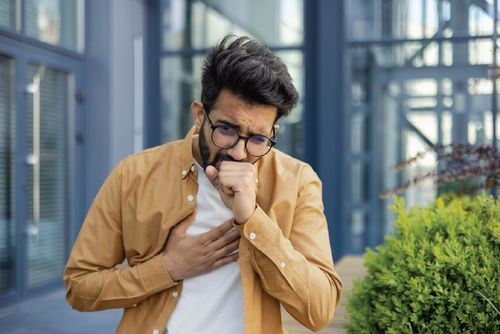
Symptoms of Pneumonia Vs Chronic Obstructive Pulmonary Disease
Pneumonia vs COPD: Comparison, Symptoms, Risk Factors, Diagnosis Explained
Pneumonia and Chronic Obstructive Pulmonary Disease (COPD) are serious illnesses with wide-ranging health consequences, such as breathing problems or respiratory failure, particularly when left undiagnosed or untreated.
Research indicates that the prevalence of COPD is likely to increase considerably, possibly reaching 592 million people by the year 2050. Thus, understanding pneumonia and COPD and determining one's lung health risk assessment are essential for early detection, proper management, and maintaining one's quality of life.
Read ahead to learn more about pneumonia and COPD comparison, their symptoms, risk factors, and for more details.
What is Pneumonia in COPD?
Pneumonia in COPD is a severe infection of the lung that results in inflammation and mucus accumulation within the air sacs, further complicating breathing for those who already have compromised airways.
It may be caused by viruses, bacteria, or fungi and greatly elevates the risk of respiratory failure. Individuals with COPD are particularly susceptible because their lung microbiome has been altered and their infection-clearing capacity has been weakened. Early diagnosis and treatment of this condition are important in order to avoid serious complications.
What are the Differences Between Pneumonia and COPD?
Chronic Obstructive Pulmonary Disease (COPD) and pneumonia are both severe lung conditions that share similar symptoms but are quite different in cause, course, and treatment requirements.
Let’s understand the difference between the two, particularly for patients with COPD who are at higher risk of developing pneumonia and its complications:
| Aspect | COPD (Chronic Obstructive Pulmonary Disease) | Pneumonia |
| Nature of Condition | It refers to a chronic, progressive lung disease. | It is an acute infection of the lungs. |
| Primary Cause | Long-term exposure to lung irritants (e.g., smoking, pollution) | Infection by bacteria, viruses, or fungi. |
| Onset | COPD develops gradually over the years. | It is a sudden onset, often following a cold or flu. |
| Common Symptoms | Chronic cough, shortness of breath, wheezing, chest tightness, increased mucus | Fever, chills, fatigue, cough with colored sputum, chest pain, shortness of breath |
| Affected Lung Parts | Airways and air sacs (alveoli); includes emphysema and chronic bronchitis | Air sacs (alveoli) become inflamed and filled with fluid or pus |
| Sputum/Mucus | White or clear in stable COPD; may increase in volume during exacerbations. | Yellow, green, or blood-tinged during infection. |
| Respiratory Impact | Airflow obstruction and reduced oxygen exchange over time | Acute inflammation and fluid buildup that reduce oxygen exchange |
| Preventive Measures | Smoking cessation, vaccinations (flu, pneumonia), and managing air quality. | Vaccination (flu, pneumococcal), hygiene, and early detection in high-risk patients. |
| Complications | Exacerbations, respiratory failure, and long-term disability. | Respiratory failure, sepsis, and lung damage, especially in COPD patients. |
What are the Symptoms of Pneumonia in COPD?
While COPD and pneumonia have identical signs, certain symptoms are more specific to pneumonia and must not be overlooked. These include:
- Chest tightness
- Shortness of breath
- Wheezing
- Wet cough producing mucus
- High fever
- Chills and shaking
- Fatigue and body aches
- Sharp chest pain when inhaling
- Slurred speech
- Blue or discolored lips
- Headache
- Confusion or irritability
- Restlessness or mental changes
- Unexplained weakness or prolonged fatigue
- Noticeable change in sputum (color, thickness, or volume)
What are the Risk Factors of Pneumonia in COPD?
Pneumonia is an infection of the lungs due to bacteria, viruses, or fungi, and individuals with COPD are much more likely to develop pneumonia. Here are the major risk factors associated with pneumonia in case you have COPD:
- People aged55 who have poor immunity are prone to this condition.
- Individuals with a smoking habit
- Persons with a history of pneumonias or COPD exacerbations
- People who have received ventilator treatment
- Individuals with high obesity
- Those having a low blood eosinophil count
- Individuals having antibiotic resistance
- Persons having a gastrointestinal tract disorder like inflammatory bowel disease (IBD)
How to Diagnose Pneumonia in COPD?
Diagnosis of pneumonia in a person with COPD must be done cautiously because symptoms overlap. When there is suspicion of pneumonia, particularly with worsening respiratory symptoms, a physician will perform specific tests, such as:
- Physical examination
- Blood tests
- Checking your medical history
- CT scan or chest X-ray
- Sputum culture
- Pulse oximetry
- Arterial blood gas (ABG) test
- Pleural fluid culture
- Bronchoscopy
Early and proper diagnosis is essential in treating pneumonia effectively in individuals with COPD, since a delay in treatment can be associated with severe consequences, such as respiratory failure.
Understanding pneumonia and COPD is more than a medical concern—it’s an emergency. These deadly respiratory diseases can be managed or even prevented with early detection and smart lifestyle choices. Respiratory illnesses pose a major health issue for millions globally.
Hence, it is crucial to have an insurance policy for such critical illnesses to have peace of mind.
HELP CENTRE
Confused? We’ve got the answers
We’re Star Health. We offer the coverage that’s designed to help keep you healthy. It's the care that comes to you, and stays with you.
Yes, they are at increased risk of lung infection, such as pneumonia. This is caused by viruses such as cold, flu, or COVID-19, as well as by bacteria and fungi.
Some people recover within a week, but others may recover in a month or more. Some people may continue to feel tired for about a month, so it is important to rest in order to get better.
In viral pneumonia, antiviral medication can be used in the case of severe infections. For COPD patients, physicians normally prescribe steroids inhaled or taken orally, whether pneumonia is of any cause or not.
COPD patients must take measures to prevent pneumonia. To achieve this, they must be vaccinated against pneumonias such as PCV20, PCV15, and PPSV23.
For COPD individuals, influenza, COVID-19, RSV, tetanus (Tdap/dTpa), and shingles vaccinations are also important.
People also search for

Health Insurance Coverage for pre-existing medical conditions is subject to underwriting review and may involve additional requirements, loadings, or exclusions. Please disclose your medical history in the proposal form for a personalised assessment.
Information on the Symptom page is for general awareness purposes and not a substitute for professional medical advice. Always consult a healthcare professional for any health concerns before making any decisions regarding your health or treatment. T & C apply For further detailed information or inquiries, feel free to reach out via email at marketing.d2c@starhealth.in







