Vegan Weight Loss Foods - Foods for Healthy Weight Management
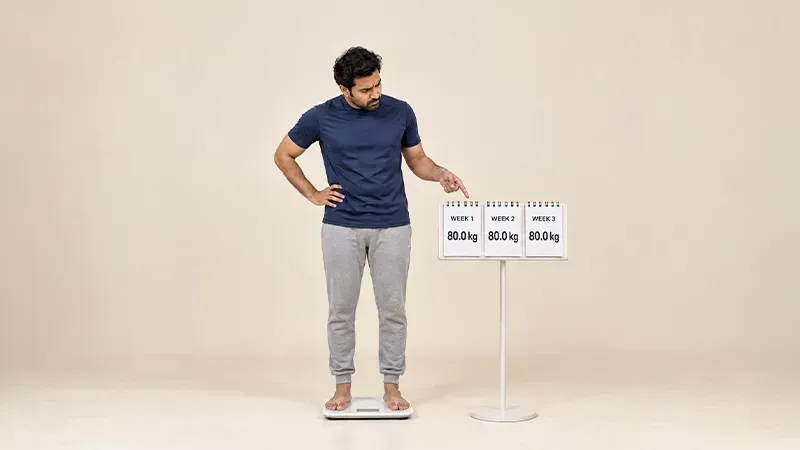
Does cutting out meat, dairy and eggs automatically lead to weight loss? Not on its own, but certain vegan weight loss foods genuinely earn their reputation. They tend to be low in calories, high in fibre and filling enough to support a calorie-controlled diet without much effort. What they cannot do is replace the basics of weight management, and a diet is not healthy simply because it is vegan.
This article looks at what actually makes plant-based eating useful for weight management, which foods come up most often in that context, and the research behind them. As with any significant dietary change, it is worth checking in with a doctor or registered dietitian first, particularly if you are managing a health condition.
Can a Vegan Diet Support Weight Loss?
A vegan diet excludes all animal products and is based on foods such as vegetables, fruits, legumes, grains, nuts and seeds. Does that actually translate into weight loss? A 2022 meta-analysis found that participants following vegan diets experienced greater average weight loss than some comparison groups.
A few things about vegan eating may explain the effect:
- Higher Fibre Intake: Whole plant foods are generally richer in fibre than animal products, which may help with satiety.
- Lower Saturated Fat: Many vegan meals are naturally lower in saturated fat — though that depends entirely on how the diet is put together.
- A Whole-Food Bias: Meals built around vegetables, legumes and whole grains tend to be less energy-dense than meals built around processed or fried food.
No single food, diet, drink or exercise can directly cause weight loss; these may support weight-management efforts as part of a balanced diet, regular physical activity, and a healthy lifestyle.
What Are the Best Vegan Foods for Weight Loss?
When people search for the best vegan weight loss foods, a handful of plant-based staples tend to come up again and again, largely thanks to their fibre, protein and low energy density. NHS guidance recommends that adults get at least 30g of fibre a day, yet most people manage closer to 18–20g. Fibre-rich plant staples may help close that gap.
Legumes: Lentils, Chickpeas and BeansLegumes: Lentils, Chickpeas and Beans
Legumes are a cornerstone of most vegan diets. A 100g serving of cooked lentils provides around 9g of protein and 8g of fibre for roughly 116 calories, according to USDA Food Data Central, a combination that may help you feel fuller for longer after meals.
Leafy Greens
Spinach, kale and other leafy greens are very low in calories while offering meaningful fibre, vitamins and minerals. A generous portion adds relatively little to the day's calorie total.
Whole Grains
Foods such as oats, quinoa and brown rice retain fibre in a way refined grains do not, which may support more stable blood sugar and longer-lasting fullness. Swapping refined grains for whole grains is a small but meaningful change.
Nuts and Seeds (in Moderation)
Nuts and seeds offer healthy fats, protein and fibre, though they are calorie-dense. Portion control matters here more than with most other foods on this list, since it is easy to eat more than intended.
Fruits and Vegetables
Non-starchy vegetables and whole fruits are naturally low in calories and high in water and fibre, which may support satiety without contributing much energy intake.
Tofu and Tempeh
Soy-based foods like these punch above their weight on protein compared with most other plant foods, which may help with fullness and muscle maintenance — particularly if you're also staying active.
Vegan Foods for Weight Loss: A Quick Comparison
| Food | Approx. calories (100g) | Key nutrient | Why it may help |
| Lentils (cooked) | ~116 kcal | Protein and fibre | May support fullness |
| Spinach | ~23 kcal | Fibre, vitamins | Low energy density |
| Oats | ~389 kcal (dry) | Fibre, complex carbs | Steady energy release |
| Chickpeas (cooked) | ~164 kcal | Protein and fibre | Supports satiety |
| Tofu | ~76 kcal | Plant protein | May help preserve muscle |
| Almonds | ~579 kcal | Healthy fats, protein | Best in small portions |
Note: Figures are approximate and sourced from USDA Food Data Central; values can vary by preparation method and brand.
How to Build a Vegan Diet Plan for Weight Loss?
A vegan diet plan for weight loss needs some structure, as eating vegan food at random rarely gets anyone very far. A few things tend to matter most:
- Prioritise whole foods over processed vegan alternatives, as vegan-labelled snacks and ready meals can still be loaded with added sugar, salt or refined oils.
- Include a protein source at each meal, whether that's legumes, tofu, tempeh or seitan, to help with fullness and muscle maintenance.
- Watch portions of calorie-dense foods like nuts, seeds, nut butters and oils — nutritious, yes, but easy to overdo.
- Pair fibre-rich foods with protein, which may slow digestion and keep energy steadier through the day.
- Stay mindful of overall calorie intake — a calorie surplus is still possible on an entirely plant-based diet.
A simple vegan food plan for weight loss usually comes down to legumes, whole grains, vegetables and modest portions of healthy fat, scaled to your own calorie needs rather than someone else's template.
If you'd rather not guess, a dietitian can help build a more structured vegan nutrition plan for weight loss, especially if you're managing a health condition.
Who Should Be Cautious with a Vegan Diet?with a Vegan Diet?
Done well, a vegan diet can be nutritionally complete. Done carelessly, it can leave gaps, particularly around vitamin B12, iron, calcium, iodine and omega-3 fatty acids, all less abundant in plant foods. The NIH Office of Dietary Supplements points out that vegans face a higher risk of B12 deficiency than people who eat animal products, simply because natural B12 comes from meat, dairy and eggs. Fortified foods or a supplement usually close that gap.
If you're managing diabetes, kidney disease or another chronic condition, loop in a doctor or dietitian before making a significant dietary shift.
Key Takeaways!s!
Legumes, leafy greens, whole grains, tofu: the evidence backs these as genuinely useful vegan weight loss foods, and the clinical data shows modestly greater weight loss on vegan diets compared with other approaches. But a vegan diet is not automatically a weight-loss diet. Results still come down to overall calorie intake, food quality, activity levels and your own health picture.
No single food, diet, drink or exercise can directly cause weight loss; these may support weight-management efforts as part of a balanced diet, regular physical activity, and a healthy lifestyle. If you're planning a major shift, a healthcare professional or dietitian can help you get there safely.
Reader Information: This article is for informational purposes only and should not be considered medical, nutritional, or weight-loss advice. While certain vegan foods may support weight-management efforts due to their fibre, protein, and nutrient content, no single food, diet, drink, or exercise can directly cause weight loss. Weight-management outcomes vary between individuals based on factors such as overall calorie intake, physical activity, age, health status, medications, sleep, and lifestyle habits. A vegan diet requires careful planning to ensure adequate intake of nutrients such as vitamin B12, iron, calcium, iodine, and omega-3 fatty acids. Individuals with chronic health conditions, dietary restrictions, or specific nutritional needs should consult a qualified healthcare professional or registered dietitian before making significant dietary changes.