Understanding Weight Loss Treatment & Choosing the Right Approach
There is no single solution for achieving or maintaining a healthy weight. Most people who see real results with weight loss treatment are combining several things at once: eating well, moving regularly, sleeping properly, and making changes they can actually stick with year after year. Some will also need a doctor involved, especially if their health status or weight calls for a medical or procedural option. The more you understand what's actually available, the easier it gets to make a sensible choice and keep your expectations grounded in reality.
No single treatment suits everybody. Age matters, so does medical history, activity levels, and eating habits.
No single food, drink, or workout causes weight loss alone. Weight-management strategies work best when combined with balanced nutrition, regular physical activity, and healthy lifestyle habits.
Here we'll cover the main weight reduction treatment options: medical procedures, home routines, and non-surgical approaches, and what each offers long-term.
What is Weight Loss Treatment?
A weight loss treatment covers pretty much any medically backed or lifestyle-driven approach aimed at helping someone reach, and hold onto, a healthier weight. What that looks like in practice depends on the person. It could mean:
- Personalised dietary changes
- Increased physical activity
- Behavioural counselling
- Medical supervision
- Non-surgical or surgical procedures in selected cases
These are tailored to your overall health, your BMI, and your medical history. Nothing about it is one-size-fits-all.
Common types of weight reduction treatment
| Treatment option | How it may support weight management |
| Healthy eating plan | May help create a sustainable calorie deficit while providing essential nutrients |
| Regular exercise | May improve calorie expenditure and overall fitness |
| Behavioural therapy | May support healthier eating habits and long-term lifestyle changes |
| Medical treatments | May be considered for eligible individuals under professional supervision |
| Procedural options | May be recommended in selected cases where lifestyle changes alone are insufficient |
Weight loss treatment at home
For most people, weight loss treatment at home doesn't begin with a strict diet plan pinned to the fridge. It usually starts smaller than that, just tweaking a few daily habits. Everyone's results will look a little different, but these tend to help over time:
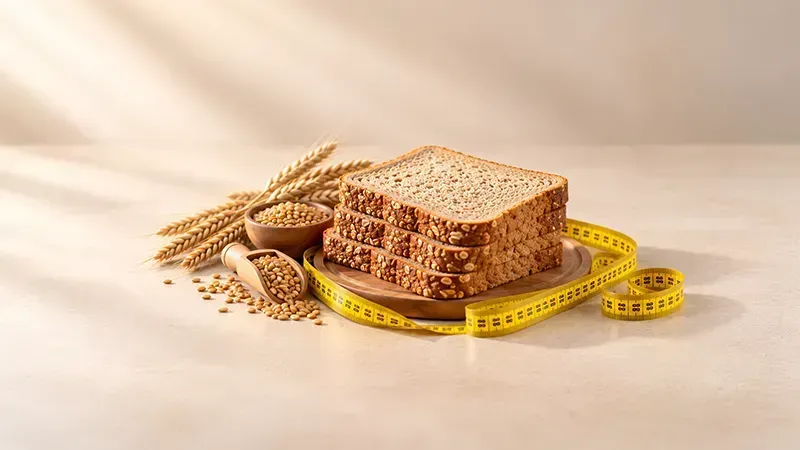
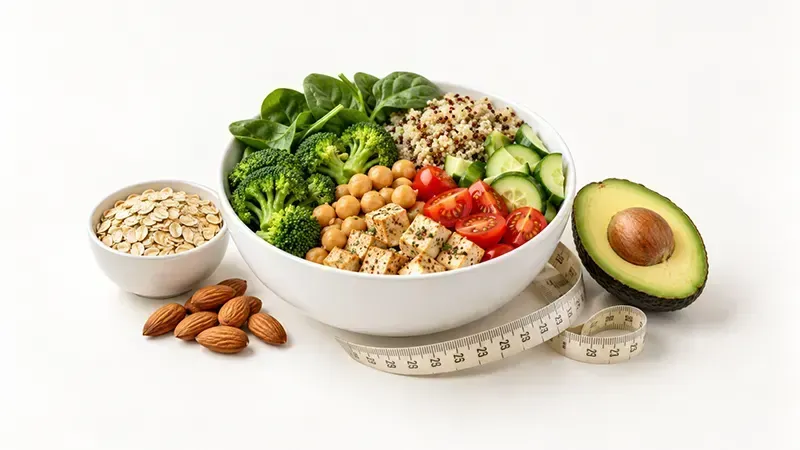
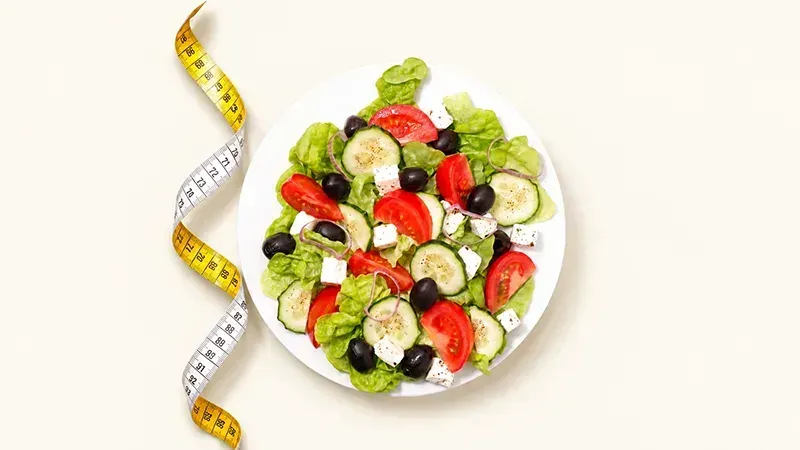
- Choose balanced meals with whole grains, fruits, vegetables, lean proteins, and healthy fats.
- Stay physically active through activities such as walking, cycling, yoga, or strength training.
- Drink enough water throughout the day.
- Aim for 7- 9 hours of quality sleep each night.
- Manage stress through relaxation techniques such as meditation or deep breathing.
Do them once and forget about it, and not many changes. Consistently maintaining these habits may support long-term weight-management efforts, although individual results vary.
Non-surgical weight loss treatment
Lifestyle changes don't always get someone all the way to their goal, and that's usually when a non-surgical weight loss treatment comes into the conversation. Even so, this isn't something to decide on your own. Talk to a qualified healthcare professional first.
A few examples of what falls under this category:
- Structured medical weight-management programmes
- Behavioural therapy
- Nutrition counselling
- Certain endoscopic procedures performed without major surgery
These tend to work best alongside healthy eating and regular activity, not instead of them. Think of them as support, not a replacement for the lifestyle changes that still need to happen.
Is laser treatment for weight loss effective?
Laser treatment for weight loss is commonly considered an alternative to surgery. It's generally aimed at reducing fat in specific areas using laser technology, but it isn't designed to treat obesity, and it won't do the job that healthy habits are supposed to do.
What the evidence shows so far is that body contouring can improve how certain treated areas look, for some people at least, but that's about as far as it goes. It's not a substitute for a proper weight-management plan. Whether it's the right call for you is really a conversation to have with a healthcare professional, not a decision to make based on marketing.
What is the best weight loss treatment?
If you're hoping for one clear answer here, there isn't one. The best weight loss treatment really just depends on the person, and a few specific things:
- Your current weight and Body Mass Index (BMI)
- Existing health conditions, such as diabetes or thyroid disorders
- Previous weight-management efforts
- Lifestyle and dietary habits
- Personal health goals
Once a healthcare professional has looked at your overall health, they can usually map out something personalised. Following that kind of guidance tends to be both safer and more likely to actually stick.
How to choose the right treatment
A few things worth sitting with before you commit to any weight loss treatment:
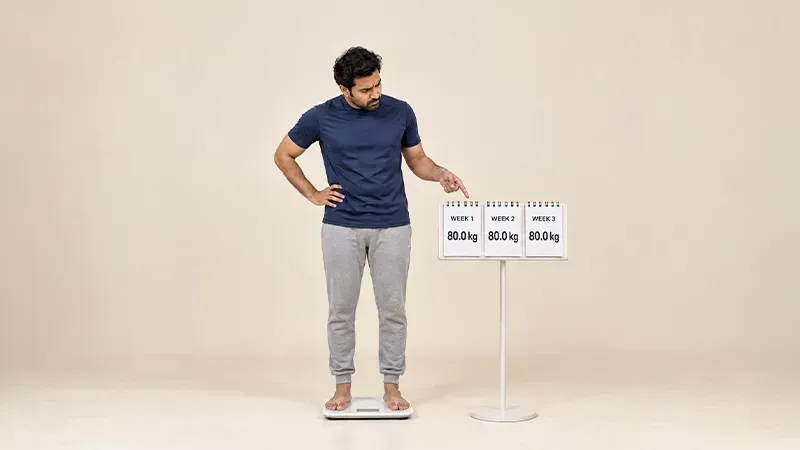
- Set realistic expectations: Healthy weight loss takes time. It's rarely fast.
- Choose evidence-based methods: If something promises rapid or guaranteed results, be skeptical.
- Consult a healthcare professional: Especially important if obesity or another underlying condition is part of the picture.
- Focus on long-term habits: Changes that last tend to beat quick fixes almost every time, even if they're less exciting.
Healthy habits that may support weight management
No matter which treatment path someone ends up on, the everyday habits still matter. That usually includes:
- Eating balanced, portion-controlled meals
- Engaging in regular physical activity suitable for your fitness level
- Sleeping for 7-9 hours each night
- Managing stress through mindfulness, yoga, or relaxation techniques
- Reducing consumption of highly processed foods and sugar-sweetened beverages may support healthy dietary patterns
None of these replace medical or procedural treatment, but they sit well alongside it, and they're good for you regardless of what else is going on.
Conclusion
Picking the right weight loss treatment comes down to knowing your own health, honestly, and building habits you can actually keep up with rather than ones that sound impressive for a week. Weight loss treatment at home, non-surgical weight loss treatment, and laser treatment for weight loss can each help certain people, but none of them promises lasting results by themselves. What actually holds everything up is still the basics: eating well, staying active, sleeping enough, and getting proper medical input along the way.
Thinking about starting some form of weight reduction treatment? Talk to a qualified healthcare professional first and figure out what genuinely fits your situation.
Reader Information: This article is for informational purposes only and should not be considered medical, nutritional, or weight-loss advice. Weight loss treatment should be tailored to an individual's health status, medical history, lifestyle, and weight-management goals. No single food, diet, drink, exercise, procedure, or treatment can directly cause weight loss or guarantee long-term results. Sustainable weight management generally involves a combination of balanced nutrition, regular physical activity, healthy lifestyle habits, and, where appropriate, professional medical guidance. Individuals with obesity, diabetes, thyroid disorders, cardiovascular disease, or other health conditions should consult a qualified healthcare professional before starting any weight-management or weight-reduction treatment.