Low Carb Diet for Weight Loss with Healthy Food Choices & Meal Plans
The low carb diet for weight loss is one of the most popular dietary programs for people looking to manage their weight. It generally involves reducing carbohydrate intake while including adequate amounts of protein, healthy fats, and fibre-rich foods. Although some people find this approach helpful, no single eating pattern can guarantee weight loss. Long-term weight management depends on several factors, including maintaining a calorie deficit, regular physical activity, and overall lifestyle habits. This article explains how low-carbohydrate diets work, provides a practical list of low-carb foods for weight loss, and discusses how this eating pattern may support healthy weight-management goals.
What is a Low Carb Diet for Weight Loss?
Low-carbohydrate diets usually involve reducing high-carbohydrate foods and eating more vegetables, protein-rich foods, healthy fats, and moderate amounts of quality carbohydrates.
But carbohydrates are an important energy source. Instead of eliminating them from your meals, a healthy diet includes good-quality carbohydrates in moderate amounts.
Choosing healthier carbohydrate sources may support weight-management efforts. Whole grains, legumes, fruits, and vegetables are nutritious options for a balanced diet. Often, a healthier approach could be adopting a low-carbohydrate diet and weight-loss regimen.
How May Low-Carbohydrate Diets Support Weight Management?
Some studies suggest low-carbohydrate diets can support weight management for certain individuals, particularly when they help reduce overall calorie intake and improve dietary adherence.
Possible advantages of these dietary programs for losing weight:
- Improves feelings of fullness.
- Allows eating more vegetables.
- Reduces intake of sweet snacks.
- Encourages healthy cooking.
- Enables paying more attention to calories.
This approach affects people differently depending on age, physical activity, health conditions, and diet compliance. Understanding the link between carbohydrates and losing weight helps people make informed dietary choices.
Low-Carb Foods List for Weight Loss
Many naturally low-carbohydrate foods can fit into a balanced eating pattern. The table below highlights commonly chosen foods and whether they are naturally low in carbohydrates.
| Food Group | Examples | Naturally Low in Carbohydrates |
| Leafy vegetables | Spinach, kale, lettuce | ✓ |
| Non-starchy vegetables | Broccoli, cauliflower, courgette | ✓ |
| Lean protein | Chicken, turkey, fish, eggs | ✓ |
| Plant protein | Tofu, tempeh | ✓ |
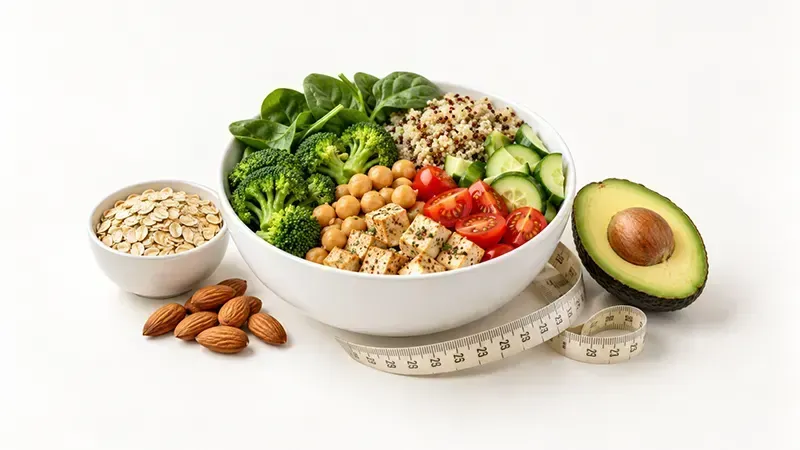
| Healthy fats | Avocado, olive oil, nuts, seeds | ✓ |
| Dairy | Plain yoghurt, cottage cheese | Mostly |
This low-carb foods list for weight loss includes nutrient-rich foods that stay relatively low in carbohydrates.
Low Carb meal plan for Weight Loss
Planning meals in advance can make it easier to follow a balanced low-carbohydrate eating pattern. The sample meal ideas below are examples only and can be adapted to individual preferences and nutritional needs. A balanced low-carb diet food list for weight loss may include the following:
1. Breakfast
- Boiled eggs with spinach
- Plain Greek yoghurt with berries
- Vegetable omelette
2. Lunch
- Grilled chicken with mixed salad
- Lentil soup with vegetables
- Tofu and stir-fried greens
3. Dinner
- Baked salmon with broccoli
- Grilled paneer with roasted vegetables
- Turkey with cauliflower mash
4. Healthy Snacks
- Almonds
- Walnuts
- Cucumber slices
- Cottage cheese
These foods provide protein, fibre, vitamins, and minerals that may contribute to overall health.
Choosing the Right Carb Food for Weight Loss
Cutting down on carbs is not about cutting them out. Opting for better carb foods for weight loss can help make your diet better overall.
Some good choices include:
- Oats
- Brown rice
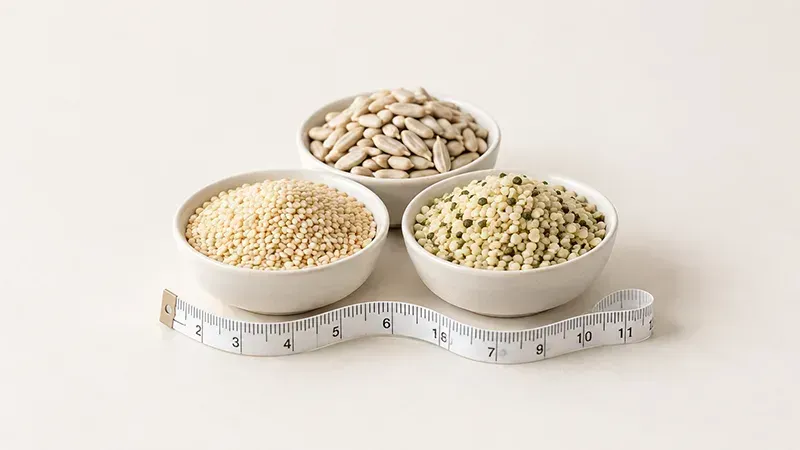
- Quinoa
- Sweet potatoes
- Legumes
- Chickpeas
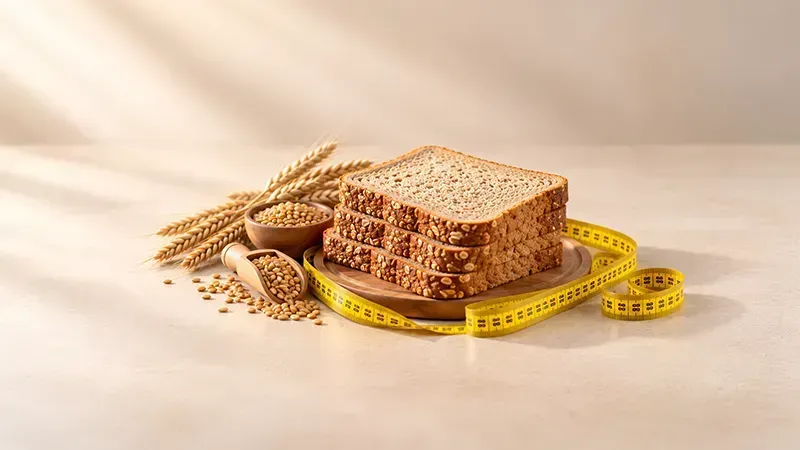
- Wholegrain bread
To understand carbs and weight loss, it helps to remember that food quality and quantity matter equally.
Foods to Limit for Healthier Weight Management Some types of food contain more refined carbohydrates and sugar
These include:
- Soft drinks
- Cakes
- Biscuits
- White bread
- Pastry products
- Sugar-coated breakfast cereals
- Heavily processed snack foods
Limiting these foods may help support healthier eating habits while still allowing room for balanced meals.
Can You Lose Weight on a Low Carb Diet?
Many people ask about how one can lose weight on a low-carb diet. Protein- and fibre-rich foods may increase feelings of fullness, which can help some individuals reduce overall calorie intake and support weight-management efforts. Nonetheless, the key to losing weight is to maintain a calorie deficit regardless of reducing carbs.
Other factors like physical activity, sleep, stress reduction, and consistency matter a lot.
Practical Tips for Low Carb and Weight Loss
When it comes to your thoughts about adopting a low-carb and weight loss approach, there are some useful habits that can make a difference in your life, and they include the following:
- Planning your meals in advance.
- Including vegetables with each meal.
- Selecting lean proteins.
- Drinking enough water throughout the day.
- Reading food labels in order to avoid added sugars.
- Engaging in physical activity.
- Sleeping adequately each night.
Eating regular meals and avoiding meal skipping may help some people maintain healthy eating habits, unless otherwise advised by a healthcare professional.
Many studies have explored the relationship between low-carbohydrate diets and weight loss. Long-term success appears to depend more on sustained calorie control, dietary quality, and adherence than on carbohydrate restriction alone.
Things to Keep in Mind
Before taking up a low-carbohydrate eating regimen, there are several things that you need to consider:
- People respond differently to low-carbohydrate diets.
- Portion control remains important.
- All current health issues must be considered.
- Mothers who are pregnant or breastfeeding should receive specialized nutritional advice.
People with diabetes, kidney disease or other medical conditions should take advice from a health practitioner before making any dietary changes.
Conclusion
A low-carb diet for weight loss may support weight-management efforts when combined with a balanced diet, regular physical activity, adequate sleep, and an appropriate calorie deficit. Long-term success is more likely when healthy eating habits, regular exercise and portion awareness are maintained consistently. Choosing foods from a balanced low-carb foods list for weight loss, planning meals carefully, and focusing on long-term healthy habits may be more beneficial than eliminating carbohydrates completely. As nutritional needs vary from person to person, seek personalized advice from a qualified healthcare professional before making significant dietary changes.
Reader Information: This article discusses general dietary approaches for weight management. Individual nutritional requirements vary, so speak with a qualified healthcare professional or registered dietitian before making significant dietary changes, particularly if you have a medical condition.