Portion Control for Weight Loss Through Smarter Portion Sizes
Portion control for weight loss is one of the crucial elements in forming healthy habits. No matter how healthy the food that you eat is, you may find yourself gaining weight as a result of eating very big portions. Getting familiar with how many portions your body requires will allow you to limit the number of calories that you take without necessarily excluding your favourite foods from the diet.
The connection between portion control and weight loss is related mainly to the concept of energy balance. When you are used to consuming calories in larger amounts than those that your body requires, the extra energy gets accumulated in the form of fat deposits. It means that selecting the right portions will allow you to easily develop the appropriate calorie deficit.
What is Portion Control for Weight Loss?
Portion control simply entails awareness of the amount of food eaten at each meal or snack time. Portion control does not mean starving oneself or eliminating certain food groups from one’s diet.
Portion size varies depending on different factors including age, body size, level of physical activities, and nutritional needs. As indicated by the British Dietetic Association, recommended portions may differ from person to person.
Benefits of portion control for weight loss include:
- Control of the number of calories consumed.
- Prevention of large amounts of food consumption.
- Consume more types of foods.
- Enhancing one’s awareness of hunger and satiety.
- Maintaining a balanced diet.
Why is Portion Control Important for Weight Loss?
Large portions make it easy to have an intake that exceeds your caloric requirements. This can be true even when it comes to nutrient-dense foods. Nuts, seeds, oils, and whole grains contain useful nutrients but are also energy dense.
For this reason, portion size and weight loss go hand-in-hand. Portion reduction will help you reduce your caloric intake without changing your diet significantly.
The NHS recommends practical approaches such as using smaller plates and bowls, measuring oils and serving yourself once rather than repeatedly returning for more food.
Portion Control Meals for Weight Loss
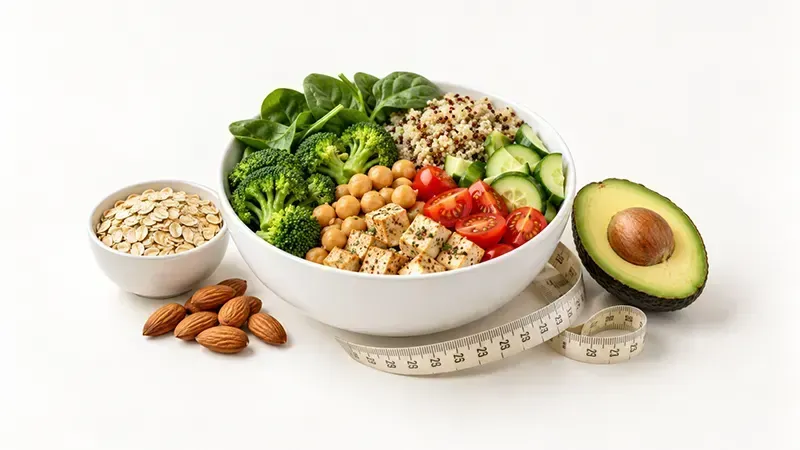
Well-balanced portion control meals for weight loss should contain a combination of vegetables, protein, wholegrain or starchy carbohydrates and a small amount of healthy fat.
A simple meal structure can look like this:
| Food Group | Examples | Suggested Approach |
| Vegetables | Broccoli, spinach, carrots, cauliflower | Make up a large part of the plate |
| Protein | Eggs, fish, chicken, beans, lentils | Include a moderate serving |
| Starchy foods | Rice, potatoes, oats, wholegrain bread | Keep to a suitable portion |
| Dairy | Plain yoghurt, milk, reduced-fat cheese | Include according to dietary needs |
| Healthy fats | Nuts, seeds, olive oil, avocado | Use smaller amounts |
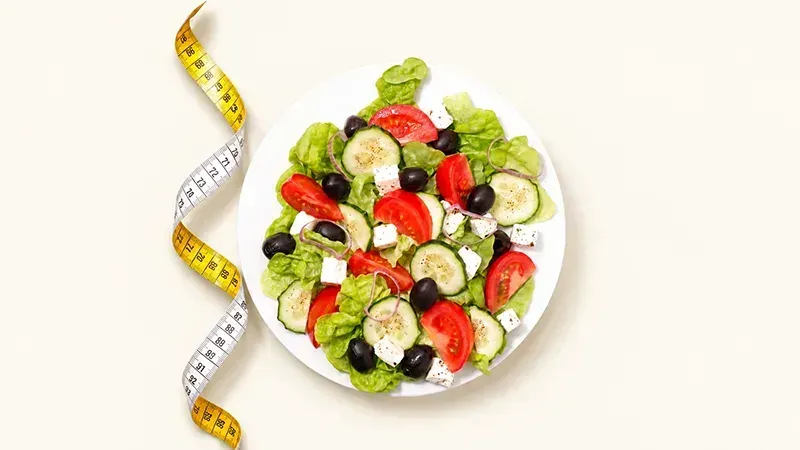
The NHS suggests filling around half of a main meal plate with vegetables and including protein to help you feel fuller for longer.
Plate Portions for Weight Loss
Using plate portions for weight loss can be a good method to determine the portion size of foods, without measuring each component.
A well-composed plate may consist of the following:
- Half of the plate: vegetables/salad.
- One quarter of the plate: protein (fish, chicken, eggs or beans).
- One quarter of the plate: potatoes, rice, pasta or other starches.
- A little portion: Healthy of fat/dressing.
Thus, using this method, your meal will look well-balanced and you will not fill your plate with high-calorie foods. In addition, you can consume various kinds of food without sticking to a strict diet, as a balanced diet implies a combination of several food categories in certain proportions.
Understanding Portion Sizes for Weight Loss
The concept of portion sizes for weight loss might be hard at first since what we usually give ourselves is more than the suggested serving.
The British Dietetic Association recommends around 150 grams of cooked pasta or rice as a common portion size for carbohydrates, whereas one piece of medium fruit or about 80 grams of fruit and vegetables make up a portion.
But these numbers are not the exact portions for everyone. Yours might vary.
Some tips to know your portion size for weight loss include:
- Check food labels.
- Use kitchen scales sometimes.
- Weigh oils and spreads.
- Use small plates.
- Serve your food before eating.
- Do not eat straight from large bags.
Weighing foods does not always have to be a regular activity. It might just help you know what your normal portion should look like.
How to Practice Portion Control at Home
Establishing healthy portion control can become easy through some simple environmental modifications.
1. Use Smaller Plates and Bowls
Big plates could induce bigger portions. A slightly smaller plate might make an average portion look fuller than it is.
2. Measure High-Calorie Foods
Foods such as oil, butter, spread, sauce or dressing could have a lot of calories. A spoonful of these foods could prevent unnecessary additions.
3. Serve Food Once
Serving large dishes on the dining table could lead to extra servings of food. It would be better if you serve an appropriate portion of food on your plate.
4. Eat without any Distraction
Eating while watching television or using the mobile phone could distract from the eating process. Focusing on eating might help you to realize your body’s signals of hunger and fullness.
5. Serve Snacks in a Bowl
Instead of eating your snacks from their packets, it would be better if you serve yourself in a small bowl.
Portion Control Diet for Weight Loss: What Should You Eat?
A portion control diet for weight loss should not mean eating only tiny amounts of food. The focus should be on balanced meals and appropriate quantities.
A typical day could include:
| Meal | Example |
| Breakfast | Oats with berries and plain yoghurt |
| Mid-morning | One piece of fruit |
| Lunch | Grilled chicken, mixed vegetables and brown rice |
| Afternoon | Plain yoghurt or a small handful of nuts |
| Dinner | Baked fish, vegetables and a moderate serving of potatoes |
These are examples rather than fixed recommendations. Individual requirements vary according to health, activity levels, age and other factors.
Portion Size and Weight Loss: Common Mistakes
There are certain common practices that will make it hard to control portion sizes.
Overlooking Drinks
Sodas, alcoholic beverages, caffeinated beverages such as coffee, and certain types of fruit juices contain a high number of calories. It is always important to take into consideration the fact that one should pay attention to their consumption.
Eating From the Packet
It is hard for people to measure what they eat this way.
Undervaluing Oils and Sauces
Even small quantities of oils, mayonnaise, creamy dressings, and sauces can have a considerable amount of calories. This fact can make a big difference.
Starving Yourself
People tend to get very hungry because of this practice.
Conclusion
A portion control for weight loss system may be effective for people who want to control their consumption while still enjoying varied and balanced foods. Information on portion control for weight loss, balanced plate portions for weight loss, measurement of calorie-dense foods, and mindful eating can contribute to healthy eating.
The goal is not to eliminate favourite foods or follow an extremely restrictive diet. Instead, appropriate portions, nutritious food choices, regular physical activity and sustainable lifestyle habits can work together to support healthy weight management.
Reader Information: This article provides general information about portion control and healthy eating habits for weight management. Individual dietary requirements vary, so personalised guidance from a registered healthcare professional or dietitian may be appropriate.