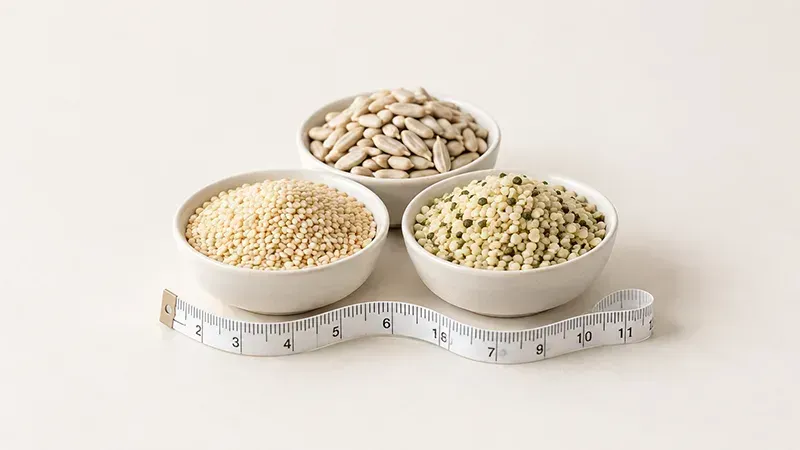
South Indian Diet Plan for Weight Loss with Balanced Traditional Meals
South Indian food is known for flavorful meals, aromatic spices, fermented foods, vegetables, lentils, and many traditional dishes. Although dosa, idly, rice, and pongal are often seen as carbohydrate-based foods, you can still include them in a healthy diet in appropriate proportions.
A good South Indian diet plan for weight loss doesn't mean giving up traditional foods altogether. Instead, it involves controlling portion sizes, eating enough protein, fiber-rich vegetables, and healthy ingredients, and cooking foods the right way. Steaming, boiling, and light cooking instead of frying can help cut unnecessary calories.
Why Choose a South Indian Diet for Weight Loss?
Traditional South Indian meals include nutritious components such as lentils, pulses, vegetables, and fermented and dairy items. These foods provide protein, fiber, vitamins, and minerals that support good health.
An ideal South Indian diet plan for weight loss includes a mix of all food groups instead of limiting carbohydrates in meals. For instance, a meal that includes rice, vegetable sambar, poriyal, and curd in moderate amounts is better than a large portion of rice with fried foods.
How Can a South Indian Diet Help with Weight Management?
A well-designed South Indian diet plan for weight loss can include foods that keep you full without too many calories. Vegetables and beans are especially beneficial in this respect because they contain fiber and help satisfy hunger.
Another essential element of the weight control diet plan is protein. These foods may include dal, chickpeas, green gram, curd, eggs, fish, and lean chicken.
Best South Indian Foods for Weight Loss
Many South Indian foods for weight loss can be included in a balanced meal plan. Some useful choices include:
- Idly
- Sambar
- Rasam
- Pesarattu
- Vegetable upma
- Vegetable uttapam
- Sundal
- Vegetable poriyal
- Plain curd
- Steamed vegetables
- Boiled eggs
- Grilled fish
- Fresh fruits
Low-Calorie South Indian Food Choices
Including low-calorie South Indian foods makes it easier to maintain a controlled total calorie intake. Steaming, boiling, grilling, and light frying are better than deep frying.
Good choices include idly, sambar, rasam, vegetable poriyal, sundal, pesarattu, steamed vegetables, curd, and grilled fish. Eat plenty of vegetables with every meal. This provides fiber, vitamins, and minerals and gives more bulk to the meal.
South Indian Diet Chart for Weight Loss
A practical South Indian diet chart for weight loss can help organise meals throughout the day. The following is a general example and should not be considered an individual medical diet.
| Meal | Example |
| Early morning | Water or unsweetened tea |
| Breakfast | 2 idlis with vegetable-rich sambar |
| Mid-morning | One portion of fresh fruit |
| Lunch | Moderate rice portion, sambar, vegetable poriyal and curd |
| Evening snack | Sundal or a small handful of unsalted nuts |
| Dinner | Pesarattu with vegetables and sambar |
| Fluids | Water throughout the day |
Individual nutritional needs vary by age, activity level, body composition, and health status.
Tips to Make a South Indian Diet Healthier
However, following a weight-loss diet plan for South Indians does not have to be difficult. Simple steps can go a long way to enhance the nutritional value of traditional meals.
1. Eat Less Rice
Rice is a healthy food item that can be included in one’s diet but only in moderate amounts. Combine rice with vegetables, sambar, dal, and curd to make it more balanced.
2. More Veggies
Add vegetables to sambar, upma, poriyal, dosa, and other meals. They will increase fiber content and enhance satiety.
3. Protein-Rich Foods
Eat dal, pulses, beans, sprouts, curd, eggs, fish, paneer, and lean chicken as per preference.
4. Eat Less Fried Food Items
Food items like vada, bajji, bonda, etc. are high in fat and calories. Prefer steamed, grilled, and low-oil versions of these items.
5. Less Sugar
Limit drinks and desserts high in sugar. They provide little nutritional value while adding extra calories.
6. Exercise
Being active and doing regular physical activities can complement dietary changes. These include walking, cycling, swimming, resistance training, and other exercises.
Conclusion
A South Indian diet, which is normally traditional, can easily be modified for weight management while still retaining the delicacies one loves to consume. A weight-loss South Indian diet plan includes vegetables, legumes, protein, a portion of rice or another grain, and healthy snacks.
The most effective approach is to emphasize sustainable habits without resorting to extremes. Opting for steamed dishes, reducing fried snacks, controlling portions, and staying physically active can make a traditional South Indian diet weight-management friendly.
Reader Information: This article provides general information about a South Indian diet for weight management and should not be considered personalised nutritional advice. Individual dietary requirements may vary based on health conditions, age, activity level, and medical history.