Treadmill Weight Loss Strategies for Long-Term Fitness Success
The treadmill can be an effective device to use when one wants to become fit and control his/her weight. Walking, jogging, or running on the treadmill can boost metabolism while improving cardio. Nonetheless, exercise alone is not enough for successful weight reduction. Good nutrition, physical exercise, sufficient sleep, and good lifestyle patterns play important roles in weight loss. The following article provides an overview of why and how treadmills help to lose weight.
What is Treadmill Weight Loss?
Treadmill weight loss involves the process of using the treadmill as a means of exercise in a weight management program. The treadmill gives you the opportunity to walk, jog, or run indoors by setting your own pace and, in some treadmills, the inclination.
The level of calories that you burn depends on variables like body weight, level of exercise intensity, length of exercise and pace. Walking at a comfortable pace burns fewer calories than jogging or running, but walking can still be a part of your daily physical activities.
It is better to be consistent with your exercise rather than doing a very high-intensity workout.
How Does Treadmill Exercise Support Weight Loss?
The connection between the treadmill and weight loss is primarily associated with energy expenditure. When one engages in any form of exercise, he or she expends energy. If one continuously expends more energy than the amount he or she takes in through eating and drinking, then one will lose weight eventually.
However, treadmill training may have additional advantages such as:
- Enhancing cardiovascular fitness.
- Strengthening leg muscles.
- Assisting with stamina.
- Increasing overall physical activity.
- Enabling exercise consistency.
- Enhancing mental wellness.
Walking is especially effective for new individuals since walking is not difficult and can be tailored according to an individual’s fitness level.
Can You Lose Weight on a Treadmill?
The majority of people find themselves asking whether it is possible to do away with the idea of losing weight through treadmill exercises. Although using treadmill exercises to help oneself lose weight, there is no doubt that the weight loss will entirely depend on the person’s lifestyle.
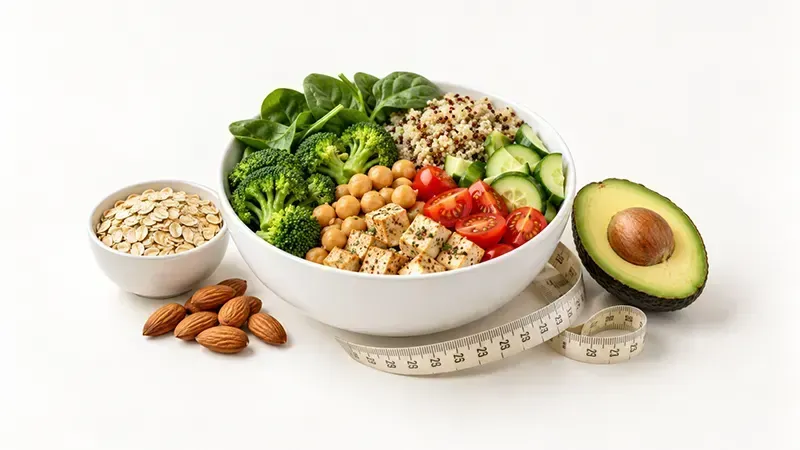
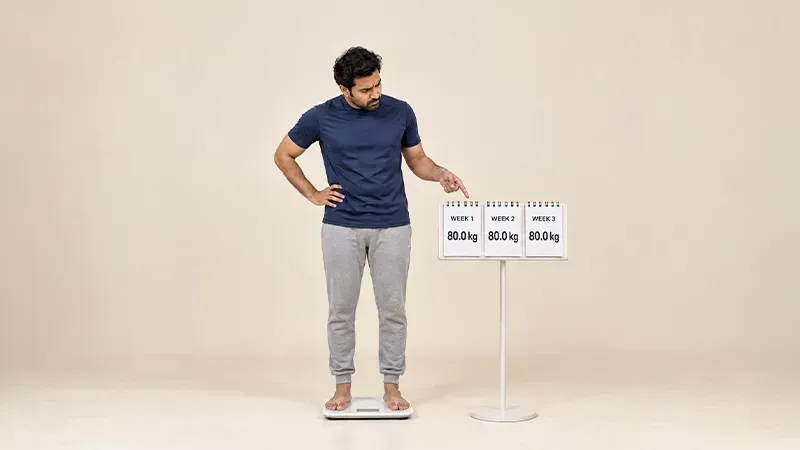
There may be a case of someone being physically active but failing to lose weight because of the high energy input through dieting that exceeds energy expenditure through exercises. A very good approach to this situation would be combining treadmill exercises with a balanced diet made up of vegetables, fruits, whole grains, proteins, and healthy fats.
Is a Treadmill Good for Losing Weight?
So, can a running machine good for losing weight? Yes, the use of a treadmill can be a helpful instrument for increasing your level of physical activity and weight management. First of all, workouts on a treadmill can vary depending on a person’s fitness level. For instance, a beginner can begin with slow walking, while a more advanced person can run on a treadmill or change the pace.
Another feature of a treadmill is its convenience, as you will be able to exercise inside irrespective of the weather outside. However, the treadmill itself does not cause weight loss. The overall combination of physical activity, nutrition and lifestyle habits determines the long-term outcome.
Walking on a Treadmill for Weight Loss
Walking is one of the easiest ways to begin a treadmill routine. Start with a comfortable speed and gradually increase the duration as your fitness improves.
A beginner-friendly session may include:
| Stage | Activity | Duration |
| Warm-up | Easy walking | 5 minutes |
| Main workout | Moderate-paced walking | 20 minutes |
| Faster section | Brisk walking | 5 minutes |
| Cool-down | Slow walking | 5 minutes |
You can gradually increase the duration or introduce short periods of faster walking. Avoid increasing speed and duration dramatically at the same time.
Weight Reducing Treadmill Workouts
The weight loss exercise using the treadmill may include different varieties of walking, jogging, and running. Variations in the intensity of the exercise can be used to make the training more difficult and not repetitive.
1. Fast Walking
Fast walking is good for most beginners. You should walk fast enough to breathe faster but comfortably talk.
2. Walking on Incline
Walking with an increased incline of the treadmill is possible to make this exercise more difficult but without jogging. You need to start with small inclines and gradually increase them.
3. Jogging
After gaining enough fitness, you may try jogging in short bursts. You need to alternate jogging and walking in order to vary the intensity.
4. Interval Training
The interval training means alternating with high intensity and low intensity exercises. You may walk for 2 minutes and then jog for 1 minute.
Sample Treadmill Workout Plan
A simple weekly routine can help you build consistency.
| Day | Workout |
| Monday | 30-minute brisk walk |
| Tuesday | Rest or gentle activity |
| Wednesday | 25-minute walk with short faster intervals |
| Thursday | Rest |
| Friday | 30-minute brisk walk with incline |
| Saturday | 35-minute walk or walk-jog session |
| Sunday | Rest or gentle stretching |
This is only an example. Your workout should be adjusted according to your fitness level and individual needs.
Conclusion
Treadmill weight loss may become a component of an effective body weight management strategy. Walking, jogging, and running can help in increasing physical activity, burning calories, and enhancing the cardio capacity. The advantage of the treadmill is that its speed and inclination can be easily controlled according to one's physical condition.
Regardless of whether you decide to walk or run, regularity is what matters. Good nutrition, regular physical exercise, sufficient sleep, and proper way of life are much more important than just one type of fitness equipment.
Therefore, is a treadmill good for losing weight? It can be, provided it is used consistently and combined with an appropriate diet and sustainable lifestyle.
Reader Information: This article provides general information about treadmill exercise and weight management. Individual weight-loss results vary based on diet, health status, physical activity levels, sleep quality, and other lifestyle factors. Consult a qualified healthcare professional before starting a new exercise programme if you have existing medical conditions.