Weight Loss Juice as Part of a Healthy Weight Management Plan
Weight loss juice has become one of the most searched wellness topics, largely because a glass of juice feels like an easier shortcut than changing an entire diet. Yet most people who try one still struggle to see lasting change. The honest answer is no single juice melts fat on its own.
Some low-calorie juices may support a weight loss plan when calories are already being managed sensibly with a proper diet. This article covers how juice may support weight management, the nutrition facts, best juice choices, and what to watch for.
Is Weight Loss Juice Actually Effective, or Just a Trend?
Search ‘which juice is good for weight loss," and you'll find endless promises about morning detox shots and cleanses. The idea has become popular online, often marketed with promises of quick results. In reality, no juice can burn fat or cause weight loss by itself. What it may offer is a low-calorie way to add hydration and some nutrients to a diet already working towards a calorie deficit.
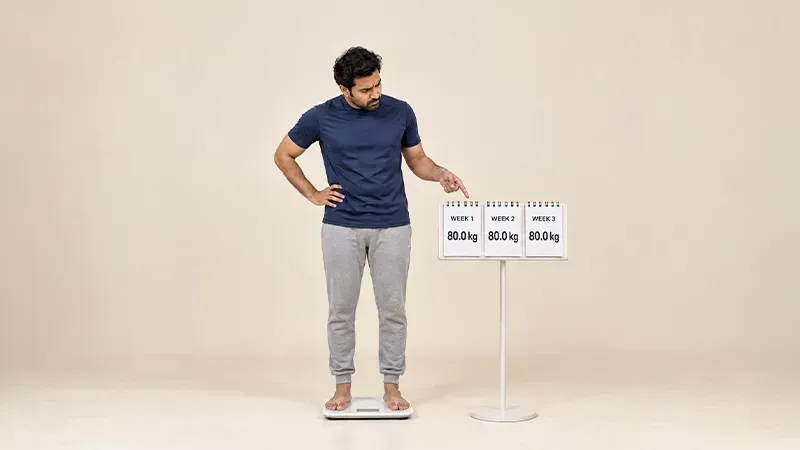
Short-term weight loss during a juice-only diet tends to come from water and glycogen stores, not fat, and the weight often returns once normal eating resumes. For instance, a small glass of low-sugar vegetable or fruit juice may support hydration and add vitamins for relatively few calories. But it lacks the fibre of whole fruit and vegetables, so it does not offer the same complete nutritional benefit. Weight loss juice may support your weight-management efforts only as part of a balanced diet, regular physical activity and a healthy lifestyle.
How Can Juice Help in Weight Management?
Juice does not work through any single mechanism. In fact, replacing meals with juice for extended periods can also mean missing out on protein and fibre. Speak with a doctor or dietitian before trying any extended liquid-only diet. Some of the following factors may play a supporting role when used sensibly.
Low-Calorie Options and Portion Control
A small glass of unsweetened vegetable juice is generally lower in calories than sugary drinks or packaged snacks. Therefore, juice may help with portion control, only if it replaces a higher-calorie option, not if it's added on top of your usual diet.
Hydration Before Meals
Drinking fluids, including a small glass of low-sugar juice or water, shortly before a meal may help some people feel a little fuller and eat somewhat less, though this varies between individuals.
The Fibre in Whole Fruit vs Juice
Juicing strains out most of the fruit’s fibre, releasing its sugar as what nutrition bodies classify as "free sugar." This is why juice is generally less filling than whole fruit for the same calories.
Research reviewed by Stanford Medicine Children's Health found that one daily glass of fruit juice was linked to a small weight gain over three years. This is one reason nutrition bodies generally recommend whole fruit over fruit juice where possible.
Which Juices Are Considered Best for Weight Loss?
There’s no single "best" vegetable or fruit juice for weight loss. Let’s take a look at some good choices:
Vegetable-Based Juices
Vegetable juices tend to be lower in natural sugar than fruit juices, making them a comparatively lower-calorie choice.
- Bottle Gourd (lauki) Juice: Very low in calories and mostly water. One safety note for you is that never drink the bottle gourd juice if it tastes bitter. A bitter bottle gourd contains a natural toxin (cucurbitacin)that may lead to serious poisoning.
- Cucumber Juice: High water content and very low in calories, with little fibre once juiced.
- Spinach Juice: May add iron and other micronutrients alongside a low calorie count and is best consumed fresh and unsweetened.
Low-Sugar Fruit Juices
Some fruit juices are naturally lower in sugar, though all fruit juice still counts as free sugar.
- Amla (Indian gooseberry) Juice: Naturally tart and comparatively low in sugar; the whole Amla fruit is an exceptionally rich source of vitamin C.
- Watermelon Juice: Very high in water content but naturally sweet, so it's best kept to a small portion and diluted with water.
Blended Fruit-and-Vegetable Juices
Mixed fruit-and-vegetable juices are popular for taste and variety. For instance, Apple-beetroot-carrot (ABC) juice combines the sugars of all three ingredients. So, it's usually higher in calories and sugar than a vegetable-only juice. It may add variety and micronutrients but isn't a targeted weight-loss drink.
They tend to be higher in natural sugar and calories than a single vegetable juice, so a smaller serving, such as 100 to 150 millilitres, fits a weight loss plan better than a large glass. Diluting the juice with water is a simple way to stretch a serving without adding calories.
What Do the Nutrition Facts Say About Weight-Loss Juices?
Nutritional content varies widely between juices, which is why some are considered more suitable for weight management than others. Here’s a quick overview:
| Juice | Approx. calories* (per 100g) | Approx. sugar* (per 100g) |
| Cucumber | ~15 kcal | ~1.7 g |
| Bottle gourd (lauki) | ~14 kcal | Low |
| Spinach | ~23 kcal | ~0.4 g |
| Watermelon | ~30 kcal | ~6.2 g |
| Amla (Indian gooseberry) | ~58 kcal | Low |
| Carrot | ~40 kcal | 4g |
| Orange | 45 kcal | 9g |
| Apple juice, unsweetened | ~46 kcal | ~9g |
Note: Figures are approximate values for the raw fruit or vegetable, since juiced and diluted versions vary by preparation, brand and serving size.
How Much Weight Loss Juice Is Safe to Drink Each Day?
NHS guidance suggests keeping fruit or vegetable juice and smoothies to a combined 150 ml a day, which counts as a maximum of one portion of your 5-a-day no matter how much you actually drink. Since juicing releases sugars that can affect tooth enamel, it's best to have juice with a meal rather than between meals.
More broadly, the WHO recommends keeping "free sugars”, a category that includes the natural sugars in fruit juice, below 10% of daily energy intake, with additional benefit if kept under 5%. If you have diabetes, kidney disease or another condition affecting sugar or potassium intake, check suitable portions with your doctor.
What to Watch Out for Before Relying on Juice for Weight Loss?
Juice can fit into a healthy routine, but it also have their limitations. Here are some factors to be cautious about:
- Even unsweetened juice adds calories and sugar if consumed multiple times in a day. They are absorbed faster than whole fruit.
- Packaged and restaurant juices contain added sugar or preservatives. So always check the label.
- Whole fruits and vegetables provide fibre, which juice lacks.
- Always check suitable juice portions with a healthcare professional if you have diabetes, IBS or kidney problems.
The Takeaway!
Weight loss juice works best as a small addition to an already balanced diet. It should not be considered as a replacement for meals or as a shortcut around a calorie deficit. Certain juices may support hydration and add nutrients within an already balanced, calorie-controlled diet. However, they cannot replace the fibre and fullness that whole fruit and vegetables provide.
With moderate portions, juice can be part of a healthy lifestyle. But for long-term, sustainable weight loss, focus on your overall diet, physical activity and consistency, not on any single drink.
Reader Information: This article is for general educational purposes only and does not provide medical advice. Weight management outcomes vary between individuals, and those with diabetes, kidney disease or other health conditions should consult a qualified healthcare professional before making significant dietary changes.