Millet for Weight Loss - Does It Really Help?
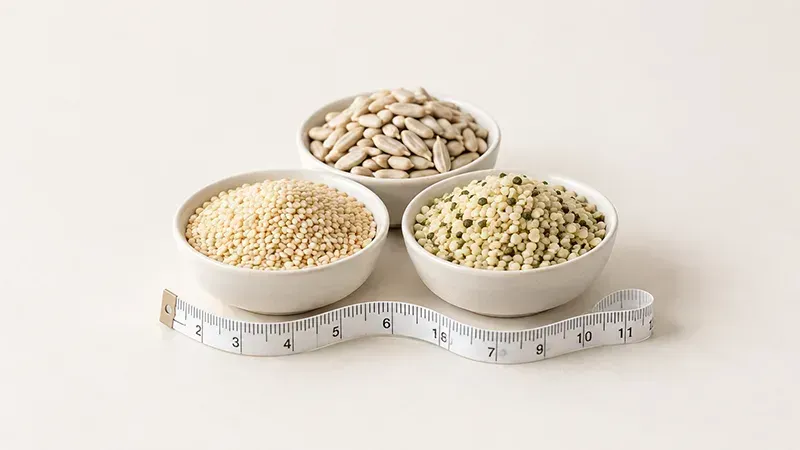
Millet for weight loss has gained attention as more people explore nutritious alternatives to refined grains. Millets are whole grains which may provide dietary fibre, protein and several essential nutrients.
Millets such as ragi, bajra, jowar, foxtail and kodo millet can be prepared in several ways. Their fibre content may help promote fullness when included as part of a balanced diet. However, millet alone is not a standalone solution for weight loss; portion sizes, preparation methods and overall dietary choices also matter.
In this blog, we will discuss how you can incorporate millet as a part of your weight management diet plan, the precautions which some people need to consider and more.
How Millets May Support Weight Management
Traditionally, many people in India incorporate millet in their weight loss diet. This is only due to their particular diet profile. Millets are very rich in nutritional fibre, which can help aid in digestion and feeling full. This may end up decreasing your calorie consumption.
Here are a few ways how millets may help in weight management:
- Due to the high fibre content in millets, it may aid in satiety and help with slow digestion.
- Millets also have high protein content, and this may help reduce hunger and aid in weight loss.
Note: No single diet, food, drink or exercise can directly lead to weight loss. These may only support weight management efforts as a part of a balanced diet, healthy lifestyle and daily physical activity.
What is the Nutritional Value of Millet?
To understand is millet good for weight loss, it is helpful to examine its nutritional profile, including its calorie, protein, and fibre content. Here is an overview of the nutritional composition of the different types of millet according to PubMed Central:
| Nutrition | Finger Millet | Foxtail Millet | Pearl Millet | Barnyard Millet | Kodo Millet | Little Millet | Proso Millet | Brown Top Millet |
| Protein (g) | 7.3 | 12.3 | 11.6 | 6.2 | 8.3 | 7.7 | 12.5 | 8.98 |
| Fibre(g) | 3.6 | 8 | 1.3 | 10.1 | 9.3 | 7.6 | 2.5 | 7.3 |
| Calcium (mg) | 344 | 31 | 42 | 20 | 27 | 17 | 14 | 28 |
| Iron (mg) | 3.9 | 1.1 | 2.8 | 15 | 0.6 | 9.3 | 3.8 | 7.72 |
| Zinc (mg) | 2.8 | 1.1 | 1.7 | 0.4 | 1.2 | 1.2 | 1.7 | 2.5 |
| Phosphorus (mg) | 283 | 258 | 285 | 293 | 189 | 207 | 277 | 276 |
| Thiamine (mg) | 0.42 | 0.59 | 0.27 | 0.33 | 0.15 | 0.3 | 0.41 | - |
| Niacin (mg) | 1.1 | 3.2 | 0.89 | 4.2 | 2.1 | 3.2 | 4.6 | - |
| Riboflavin (mg) | 0.19 | 0.11 | 0.15 | 0.11 | 0.09 | 0.09 | 0.28 | - |
How Can Millet Support Weight-Loss Efforts?
Here are a few ways you can manage millet and weight loss:
1. May Help Increase Satiety
Millets are naturally very rich in dietary fibre. They may help you feel fuller for longer periods of time. This can potentially support better appetite management. Furthermore, it may reduce the tendency to snack or overeat between meals.
2. Can Provide Protein and Nutrients
Millets contain protein along with nutrients such as magnesium, iron and phosphorus. This includes nutrient-dense foods in meals, which can be helpful when working towards a balanced eating pattern during any weight-loss efforts.
3. May Offer a Lower-GI Alternative
There are some millets which have a low glycemic index, meaning they may release glucose more gradually than certain refined carbohydrate foods. They may help with maintaining steadier energy and promote feelings of fullness.
4. Versatile Meal Option
Millets can be prepared in the form of porridge, upma, khichdi, salads or as an alternative to rice. Choosing millet-based meals in appropriate portions, alongside vegetables and protein sources, can be a way to add variety to a balanced diet.
5. Weight Loss Depends on Overall Diet
Millets, just by themselves, cannot lead to weight loss. They can be made a part of a balanced eating pattern. However, overall food choices, portions, physical activity and individual factors influence the weight-management results.
How to Include Millet for Weight Loss in Your Daily Diet
Here are a few things to keep in mind when incorporating little millet for weight loss in your diet:
1. Millet Vegetable Upma
Cook foxtail or little millet until it turns soft. In a pan, you need to lightly sauté onion, peas, carrots, beans and other vegetables with curry leaves and spices. Then add cooked millet and mix well. A small portion of roasted seeds can be further added for a better texture.
2. Millet Salad Bowl
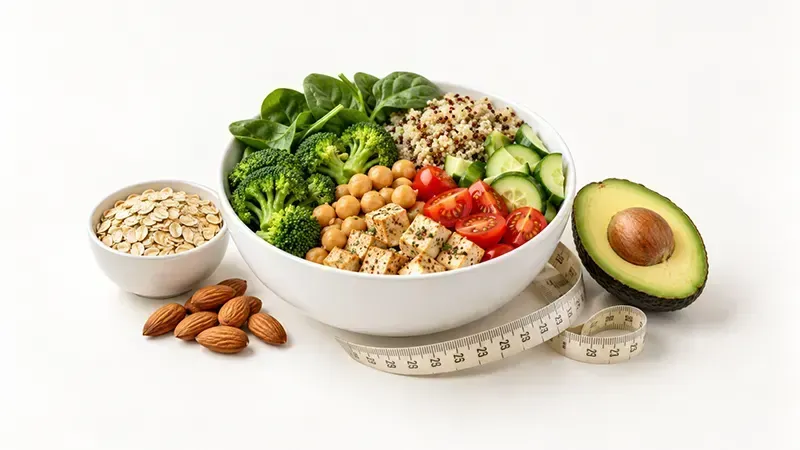
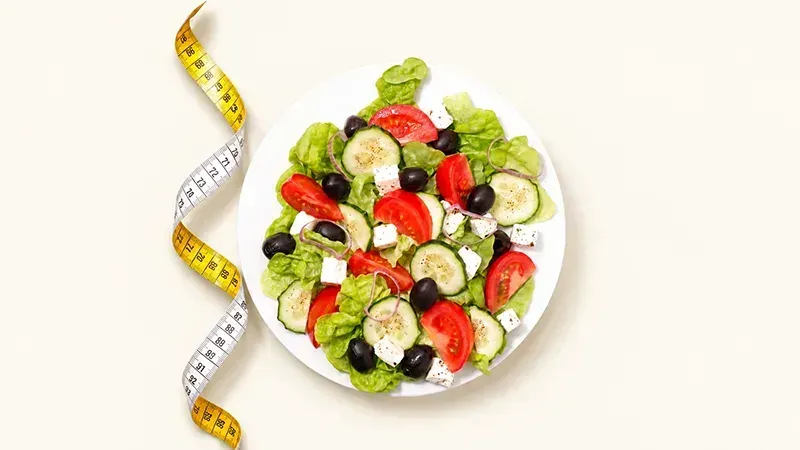
You can use cooked millet as the base and then add some cucumber, carrots, tomato, leafy greens and boiled chickpeas. A simple dressing of lemon juice, herbs and a small amount of oil can add further flavour.
Note: It is advised to consult a healthcare professional before making any dietary changes.
Are There Any Precautions to Follow When Including Millet in a Weight Loss Diet?
Here are a few precautions that you should generally take when adopting the best millet for weight loss diet plan:
- Millets may be nutritious, but eating large portions can add more calories than intended.
- It may be better not to rely only on millets for a weight loss plan. Rather, following an overall balanced diet is ideal.
- People with particular dietary requirements or medical conditions may need personalised guidance before making any significant dietary changes.
Who Should Be Careful When Eating Millet?
Millets may be a tasty and nutritious addition to many diets, but some people need to be more careful about how much they consume millets and how they prepare them.
Individual tolerance varies and certain health conditions or dietary requirements may call for personalised advice.
- People with digestive sensitivity may experience bloating and discomfort when having millets.
- Some millets contain compounds that may interfere with thyroid function when consumed in excessive amounts.
Final Words
Millet for weight loss can serve as a versatile addition to your balanced diet routine. It offers useful nutrients such as fibre and protein. However, their role in weight management may depend on portions, methods of preparation and your choices for a diet. If you are considering major dietary changes, professional guidance is worth taking into account.
Reader Information: The information provided in this article is intended for educational purposes only and should not be considered medical advice or treatment. Individual responses may vary depending on age, health conditions, medications, dietary habits, portion sizes, and the type of millet consumed. Millets should not be considered a treatment for obesity or a substitute for a balanced diet and healthy lifestyle. Individuals with thyroid disorders or other health conditions requiring specific dietary management should consult a qualified healthcare professional for personalised dietary advice.