





Acromegaly Causes and Symptoms, Complications, Treatments
Complete Guide about Acromegaly Disease and its Symptoms, Complications, Treatments
Everyone needs to consider the impact of unchecked growth hormone levels, an issue at the core of acromegaly. This rare condition is usually triggered by a non-cancerous tumour in the pituitary gland, leading to excessive hormone production. Understanding its causes, symptoms, and complications is key to ensuring accurate diagnosis and effective care.
What is Acromegaly?
Acromegaly is a rare hormonal disorder that often causes abnormal growth of organs, bones and tissues. The obvious signs of growing acromegaly due to overgrowth may include large hands, feet, and facial disfigurement.
Conditions such as hypertension, sleep apnoea, diabetes, arthropathy, and carpal tunnel syndrome are common manifestations of acromegaly and should raise clinical suspicion.The estimated prevalence of acromegaly ranges from approximately 40 to 130 cases per million, with an annual incidence of 3–11 new cases per million, according to population-based studies.
Causes of Acromegaly
Here is a detailed explanation of the causes:
- Non-cancerous Tumour: The most common cause of acromegaly is a pituitary adenoma, a non-cancerous tumour in the pituitary gland. It causes a tumour to press against the nearby brain tissues of the pituitary gland and to release excessive growth hormone.
- Ectopic Production: Rarely, neuroendocrine tumours (e.g., bronchial or pancreatic) secrete excess GHRH, leading to pituitary hyperplasia and secondary acromegaly.
- Genetic Mutation: Acromegaly results from a mutation of specific genes that trigger the overproduction of growth hormone. Genetic syndromes, such as multiple endocrine neoplasia type 1 and McCune-Albright syndrome, can lead to developing acromegaly.
What is Gigantism without Acromegaly?
Acromegaly occurs after epiphyseal closure in adulthood and does not increase height; instead, it causes enlargement of hands, feet, facial bones, and internal organs.In childhood, when the body produces excessive growth hormone, height increases unexpectedly, which is similar to acromegaly in adults. Excess growth hormone before epiphyseal closure causes gigantism, whereas excess growth hormone after epiphyseal closure causes acromegaly. They are biologically related conditions.
Signs and Symptoms of Acromegaly
Symptoms of this disease can appear slowly in some body parts. Changes may include:
- Numbness and wrist pain
- Weakness
- Swollen hands and feet
- Sleeping apnoea
- Abnormal growth of height in teenagers and children
- Headaches
- Thicker and oily skin
- Abnormal growth of fingers, feet, tongue, neck and head
- Irregular periods
- A deeper voice
- Erectile dysfunction
- Coarse facial features and mandibular enlargement
- Large nose, thick eyelids, and enlarged lower lip
- Abnormal hair distribution
- Visual disturbance
- Dry atrophic breast skin
- Hyperpigmentation
How to Diagnose Acromegaly?
Healthcare providers may prefer tests to identify if the person has acromegaly. Basic laboratory examination for this disease involves:
- Growth Hormone Suppression Test to monitor classic screening of acromegaly and treatment progression
- IGF-1 measurement in the blood to evaluate the pituitary gland and assess growth disorders
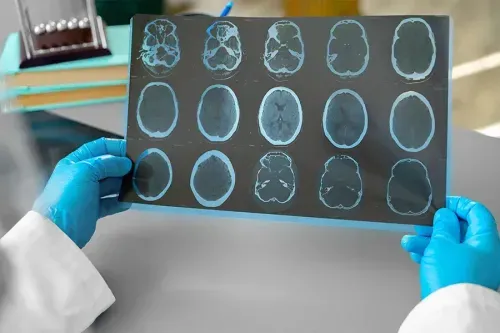
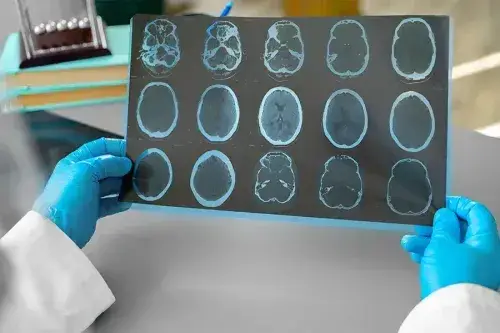
- Imaging Test: MRI of the pituitary with contrast is the preferred imaging modality for diagnosing acromegaly. DEXA may be used later to assess bone density if clinically indicated.
- Echocardiogram to monitor heart health
- Colonoscopy is recommended in patients with acromegaly due to an increased risk of colonic adenomas and colorectal cancer.
What are the Complications of untreated Acromegaly?
Untreated acromegaly can cause serious health conditions, including:
- Heart disease
- Breathing issues while sleeping
- Type 2 diabetes
- Colon cancer
- Arthritis
- High blood pressure
- Bowel polyps
- Carpal tunnel syndrome
- Premature death
How to Treat Acromegaly?
The purpose of acromegaly treatment is to control biochemical parameters, such as IGF-1 and growth hormone, and prevent disease symptoms. Moreover, treatment helps to reduce comorbidities, lower the progression of tumour cells, and improve mortality.
- Medications: Healthcare providers tend to prescribe growth hormone level reduction tablets or injections. Somatostatin analogues, such as lanreotide, octreotide, and pasireotide, help suppress the secretion of growth hormone from somatotroph adenomas and the pituitary gland.
- Endoscopic Transsphenoidal Surgery (ETSS): It is an invasive surgical process to treat acromegaly. Endoscopic transsphenoidal surgery (ETSS) involves using an endoscope inserted through the sphenoid sinus and nasal cavity to access and remove non-cancerous tumours from the pituitary gland.
- Transsphenoidal Microscopic Surgery: This is a first-line effective and safe treatment option for acromegaly. Transsphenoidal microscopic surgery helps access the pituitary gland through the sphenoid sinus and nasal area. It carefully removes the tumour and preserves the nerves and surrounding tissues to minimise the risk of recurrence.
- Radiotherapy: Radiotherapy involves stereotactic radiosurgery or conventional fractionated radiotherapy for acromegaly. This treatment is used when the tumour cells recur or have not been completely removed from the pituitary gland. Radiotherapy kills the remaining tumour of the pituitary gland or any organ that reduces growth hormone production and improves acromegaly symptoms.
Acromegaly is a complex but manageable hormonal disorder if detected early. Understanding its causes, especially pituitary tumours, helps guide timely diagnosis and effective treatment. Ignoring symptoms can lead to life-threatening complications. With the right mix of medication, surgery, or radiotherapy, patients can achieve significant relief and improved quality of life.
Awareness, early intervention, and regular monitoring remain crucial in managing acromegaly and preventing long-term damage.
Reader Information: This article is intended for general informational and educational purposes only. If you suspect symptoms of acromegaly or have concerns regarding growth hormone disorders, please consult a qualified healthcare professional or endocrinologist for accurate diagnosis, personalized evaluation, and appropriate treatment.
Also Read:
→ Gluten Sensitivity and Brain Health: Exploring Gluten Ataxia
→ Understanding Pituitary Dwarfism in Children
→ Pisotriquetral Osteoarthritis and Its Impact on Wrist Function
→ Perforin Deficiency and Its Role in Immune System Disorders


Health Insurance Coverage for pre-existing medical conditions is subject to underwriting review and may involve additional requirements, loadings, or exclusions. Please disclose your medical history in the proposal form for a personalised assessment.
This FAQ page contains information for general purpose only and has no medical or legal advice. For any personalized advice, do refer company's policy documents or consult a licensed health insurance agent. T & C apply. For further detailed information or inquiries, feel free to reach out via email at marketing.d2c@starhealth.in







