





What are the Symptoms of Urinary Bladder Wall Thickening?
Urinary Bladder Wall Thickening: Causes & Symptoms
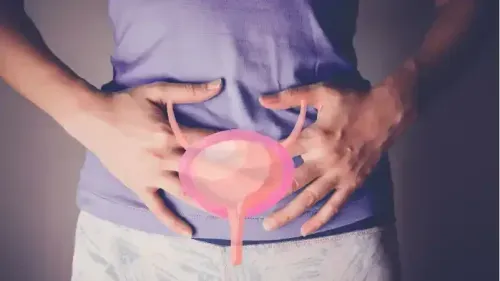
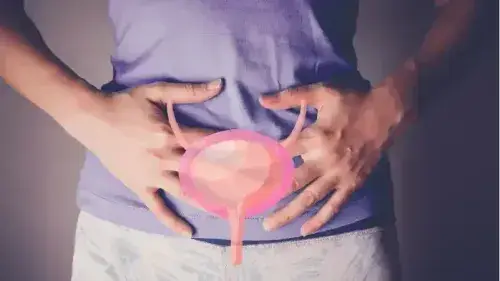
The urinary bladder is a muscular, balloon-shaped hollow organ in the pelvis. It works as a temporary urine reservoir from the kidneys before being expelled from the body. Bladder wall thickening (BWT) signals several underlying health challenges. However, bladder inflammation causes burning and abnormal pain with urination and frequent urination as symptoms.
Defining Urinary Bladder Wall Thickening
Urinary bladder wall thickening is a descriptive radiologic finding indicating an increase in bladder wall thickness, often due to underlying conditions such as inflammation, obstruction, or chronic overactivity. In some contexts, chronic obstruction may lead to detrusor muscle hypertrophy.
The bladder wall consists of 4 main layers, including submucosa, mucosa, serosa, and muscularis propria. Once the muscular layers start thickening above the normal level, it impacts function.
Symptoms of Urinary Bladder Wall Thickening
Clinical signs of BWT vary depending on the severity and duration of the underlying causes, especially in mild or early thickening. The basic symptoms of urinary bladder wall thickness are:
- Increased urination frequency
- Discomfort, intense pain, or a mild burning sensation during urination
- Painful haematuria (blood in the urine associated with discomfort)
- Bladder emptying issues leading to urinary tract infections and residual urine volume
- Pressure or pain in the lower abdomen, surrounding areas of the kidneys
- Foul-smelling and dark urine
- Sudden urgency of urination that cannot be delayed
- Fever with nausea or vomiting may indicate a complicated urinary tract infection or upper urinary tract involvement rather than isolated bladder wall thickening.
- Nocturia
Causes of Urinary Bladder Wall Thickening
Urinary bladder wall thickening has multifactorial and diverse causes, including:
- Infection : Bladder infections due to bacterial pathogens can cause inflammation in the bladder lining that increases the thickness of the urinary bladder wall. Bacteria, viruses or fungal infections, such as Escherichia coli, are the common bacteria that trigger infection and BKT.
- Bladder Obstruction : Conditions obstruct normal urinal flow from the bladder, causing BWT. For example, prostate gland enlargement in men and benign prostatic hyperplasia obstruct the urinary bladder outlet and cause wall thickening.
- Neurological Bladder Damage : Impaired bladder response refers to neurologic dysfunction or damage. Multiple sclerosis, spinal cord injury and diabetic neuropathy usually disrupt normal innervation and lead to abnormal thickening of the wall.
- Interstitial Infection : Interstitial cystitis (painful bladder syndrome) is a chronic non-infectious inflammatory condition characterized by bladder pain, urgency, and frequency.
- Bladder Cancer : If a tumour occurs in the muscle or bladder lining, it can increase the thickness of the wall. Tumours require space to grow, and when surrounding tissues in the urinary bladder lining area respond to the tumour's presence, it causes thickening.
How is Urinary Bladder Wall Thickening Diagnosed?
To discover bladder wall thickening some testing tools may be used, such tools are:
- Ultrasonography/ultrasound: It is a noninvasive and readily method, sound waves are utilised to form clear pictures of body organs, tissues, and other structures.
- Cystoscopy: In this procedure a thin, flexible tube with a camera is inserted through the urethra to analyse the bladder lining.
- CT scan: CT Scan also known as computed tomography provides detailed cross-sectional pictures inside the bladder and surrounding structures.
- Magnetic resonance imaging (MRI): Images inside the body are created using a magnetic field and computer-generated radio waves.
- Intravenous (IV) urogram: A contrast dye is injected into the bloodstream, and then X-rays are used to track its flow through the urinary system.
Urinary Bladder Wall Thickening Treatment
Treatment of BWT depends on the severity of physical symptoms and underlying causes. Here are some widely used treatment approaches:
- Antibiotics, like nitrofurantoin, amoxicillin, sulfonamides, etc., treat inflammation and alleviate recurrent infections.
- Non-steroidal anti-inflammatory drugs manage pelvic pain and bladder irritation.
- Beta-3 agonists and anticholinergics help manage symptoms such as urgency and frequency in conditions like overactive or neurogenic bladder but do not directly reverse bladder wall thickening.
- Surgical interventions such as bladder augmentation and transurethral resection of the prostate restore urinary capacity and relieve obstruction.
Urinary tract infection, bladder cancer, interstitial cystitis, obstruction and neurogenic bladder damage are primary causes of bladder wall thickening.
BKT symptoms include pelvic pain, urinary bleeding, increased urinary frequency, burning sensation and pain during urination. Surgical interventions and antibiotics help reduce inflammation and eradicate infection.
Also Read:
→ Unusual Swallowing and Autonomic Symptoms
→ Are There Specific UTI Symptoms Before a Period
→ What Does it Mean if I Have UTI Symptoms but Clear Urine
→ What are Common Viral Infection Flu-Like Symptoms
Popular Topics
People Also Search For


Health Insurance Coverage for pre-existing medical conditions is subject to underwriting review and may involve additional requirements, loadings, or exclusions. Please disclose your medical history in the proposal form for a personalised assessment.
This FAQ page contains information for general purpose only and has no medical or legal advice. For any personalized advice, do refer company's policy documents or consult a licensed health insurance agent. T & C apply. For further detailed information or inquiries, feel free to reach out via email at marketing.d2c@starhealth.in







