





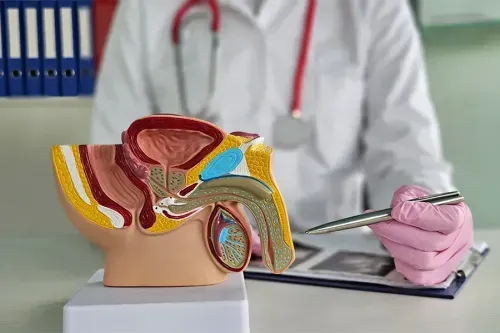
What are the Risk Factors for Testicular Cancer?
Testicular Cancer Risk Factors: What You Should Know
Testicular cancer is one of the most common types of cancers that develop in males between the ages of 15-40. Early detection and awareness are crucial for preventing this disease, as it is treatable. However, risk factors vary among people. Here are the risk factors behind testicular cancer.
Who is More Likely to Develop Testicular Cancer?
Most known risk factors for testicular cancer are non‑modifiable, such as congenital conditions or family history. Lifestyle factors like smoking or diet have not been proven to increase or decrease testicular cancer risk. Having risk factors is not a definite guarantee of developing cancer. You may develop cancer even when you do not have any known risk factors.
The risk factors are as follows:
Undescended Testicle
One of the most common risk factors behind testicular cancer is cryptorchidism. It is when one or both testicles fail to move from the abdomen into the scrotum before birth. Males with this condition are much more likely to develop testicular cancer than males whose testicles have descended properly. Cancer mostly develops in the undescended testicle.
Early orchiopexy (ideally before puberty) does not eliminate the increased cancer risk but may slightly reduce it and, importantly, allows easier examination and earlier detection. However, researchers are unsure whether the procedure is effective in older people. Current guidelines recommend orchiopexy in infancy, usually between 6 and 18 months of age.
Family History
In the case of testicular cancer, family history is a huge determinant of whether or not you may develop testicular cancer. If your brother or your father has had testicular cancer, it increases the risk for you to get the disease.
HIV infection
Some studies show that men who have been infected with HIV are at a greater risk of developing testicular cancer. It is the same with AIDS. Some studies suggest a slightly increased risk of seminoma-type testicular cancer in men with HIV/AIDS, though the overall risk remains low.
Carcinoma in Situ
It is a very early stage of cancer where abnormal cells develop, but they have not spread beyond the layer of tissue in which they are present. Testicular carcinoma in situ (also known as germ cell neoplasia in situ) is a recognized precursor to invasive testicular cancer, with a significant risk of progression over time if untreated. In some cases, CIS has been found in men who have a testicular biopsy to evaluate fertility or to remove a testicle due to cryptorchidism.
Age
About half of all testicular cancer cases occur in men between the ages of 20 and 34. However, this disease can develop in any male at any age.
Body Size
Some studies have found that taller men are at a greater risk of developing testicular cancer. However, doctors are not sure whether body size and testicular cancer are related, and it falls under unproven risk factors.
Hypospadias
It is a condition affecting the penis and urethra. People with hypospadias are associated with a slightly increased risk, particularly when it occurs alongside other genital developmental abnormalities. In this, the urethra opening is mispositioned in the penis. Surgery may help to rectify this.
Previous Testicular Cancer History
If you have been diagnosed with testicular cancer before, you have a slightly higher risk of developing it again. Generally, it may affect the other testicle. Therefore, make sure to attend follow-up checkups to minimise your risks.
While the exact cause behind testicular cancer remains unknown, there are several factors at play which determine if a person might develop testicular cancer. Hence, regular checkups are key to making the treatment more effective.
Disclaimer: This article is intended for general informational and educational purposes only. If you have concerns about testicular cancer, symptoms, or personal risk factors, please consult a qualified healthcare professional for personalized evaluation and guidance. Medical recommendations and guidelines may change over time as new research emerges.
Also Read:
→ Risk Factors for Thyroid Cancer
→ Risk Factors of Communicable Diseases
→ Risk Factors of Coronary Artery Disease
→ Risk Factors of Dengue Fever
Popular Topics
People Also Search For


Health Insurance Coverage for pre-existing medical conditions is subject to underwriting review and may involve additional requirements, loadings, or exclusions. Please disclose your medical history in the proposal form for a personalised assessment.
This FAQ page contains information for general purpose only and has no medical or legal advice. For any personalized advice, do refer company's policy documents or consult a licensed health insurance agent. T & C apply. For further detailed information or inquiries, feel free to reach out via email at marketing.d2c@starhealth.in







