





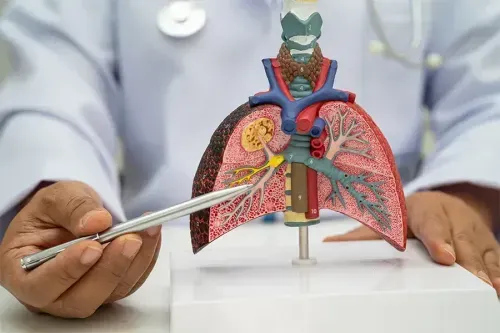
What are the Symptoms of Stage 1 Lung Cancer?
Recognizing Stage 1 Lung Cancer
Lung cancer refers to malignant tumors arising from lung tissue, most commonly from epithelial cells lining the airways, including bronchi and alveoli. It happens due to unchecked cell divisions in the lungs. Lung cancer incidence rose sharply during the 20th century with increased tobacco consumption and remains one of the leading causes of cancer-related deaths worldwide.
What is Stage 1 Lung Cancer?
Stage 1 lung cancer is the earliest phase of the disease, where the cancer is confined to the lungs and has not spread to lymph nodes or other organs. It is confined to the lung without lymph node or distant spread, and tumor size varies by substaging (IA or IB). Early detection offers a high chance of successful treatment, often through surgery or targeted therapies.
What are the Symptoms of Stage 1 Lung Cancer?
Most of the time, stage 1 lung cancer starts like any other less severe disease, making it hard to diagnose until it leads to an advanced stage. However, here are some of the early symptoms:
- Coughing persists and worsens over time.
- Wheezing or high-pitched whistling that happens from obstructed airways.
- Regularly recurring Pneumonia.
- Consistent shortness of breath or Dyspnea.
- Regular or intermittent chest pain.
- Hoarseness or a strained and raspy voice.
- Feeling the loss of appetite.
- Unexplained weight loss and fatigue.
- Back and shoulder pain.
- Coughing blood or Hemoptysis.
What are the Probable Causes of Stage 1 Lung Cancer?
The following are some of the probable causes of stage 1 lung cancer:
1. Smoking
- Smoking contributes to the highest percentage of deaths due to lung cancer. The chemicals present in tobacco damage lung cells, leading to genetic mutations. These mutations divide cells abnormally, creating a mass or tumorous tissue that interrupts the proper functioning of other organs.
2. Radon
- Radon is a naturally occurring radioactive gas primarily found in soils and rocks, resulting from the decay of uranium. Sometimes, radon can seep into basements and cellars through groundwater. Exposure to high levels of radon gas can damage lung tissue DNA and increase lung cancer risk.
3. Past Radiation Therapy
Individuals who have undergone radiation therapy to the chest for other cancers, which also include breast cancer or Hodgkin's lymphoma, are more likely to develop this disease later in their lives.
4. Passive Smoking
- Passive smoking, meaning when someone is present in a smoking zone, exposes non-smokers to harmful carcinogens. These carcinogens damage the DNA present in the lung cells heavily, causing lung cancer.
5. Air Pollution
Exposure to air pollution, mainly diesel exhaust smoke, has been linked with a higher risk of developing lung cancer. Airborne pollutants have carcinogens that, with prolonged exposure, can destroy lung tissue.
6. Occupational Hazards
- Certain industrial occupations, such as construction, mining, and manufacturing, expose workers to silica, asbestos, diesel fumes, and chemicals like cadmium, beryllium, nickel, and chromium. These workers run a high risk of having lung cancer.
7. Genetic and Family History
People with a parent, sibling, or child with lung cancer may have a higher risk, even after accounting for shared smoking exposure. This suggests a potential inherited genetic susceptibility to the disease. However, this is a less common risk factor compared to smoking or radon.
Diagnosis of Stage 1 Lung Cancer
Diagnosing stage 1 of lung cancer will help to determine how big the tumour is and how much it has spread. The following tests assist in diagnosing stage 1 lung cancer:
1. Imaging Tests
- Health professionals initially suggest doing a chest x-ray followed by a CT scan of the chest for a detailed visualisation. It helps to locate and measure the size, shape and type of the tumour.
2. Sputum Cytology
- Sputum is the mucus that comes out at the time of coughing. The sputum test helps to detect cancerous cells.
3. Biopsy
- A medical expert extracts a tissue sample from the lung. Then, it is tested in the lab to detect if cancerous cells are present or not.
Treatment of Stage 1 Lung Cancer
The following are the usual treatments for stage 1 lung cancer or Non-Small Cell Lung Cancer:
1. Surgery
- Doing surgery at an early stage will ensure that the lobe or the tumour has been removed. Segmentectomy and sleeve resection are the most effective options.
2. Chemotherapy
- Since people suffering from stage 1 lung cancer have the potential to get it back even after the surgery, adjuvant chemotherapy may be considered in selected high-risk Stage 1 cases (e.g., tumors >4 cm), while immunotherapy is generally reserved for later stages or clinical trials.
Smokers have the highest probability of suffering from stage 1 lung cancer. Therefore, quitting is the best option. Since stage 1 lung cancer has similar symptoms to a common cough and cold, it becomes harder to diagnose until it has reached an advanced stage. The symptoms surface based on the tumour's location. The diagnostic tests vary from one patient to another, depending on the initial symptoms.
Persons who are experiencing these symptoms are advised to consult a qualified healthcare professional for personalized medical guidance, diagnosis, or treatment decisions.
Also Read:
→ Symptoms of Stage 1 Prostate Cancer
→ Symptoms of Stage 3 Breast Cancer
→ What Does Early Stage Skin Cancer Look Like
→ What Does Early-Stage Tongue Cancer Look Like
Popular Topics
People Also Search For


Health Insurance Coverage for pre-existing medical conditions is subject to underwriting review and may involve additional requirements, loadings, or exclusions. Please disclose your medical history in the proposal form for a personalised assessment.
This FAQ page contains information for general purpose only and has no medical or legal advice. For any personalized advice, do refer company's policy documents or consult a licensed health insurance agent. T & C apply. For further detailed information or inquiries, feel free to reach out via email at marketing.d2c@starhealth.in







