





What is Cervical Pain?
What is Cervical Pain or Cervicalgia?
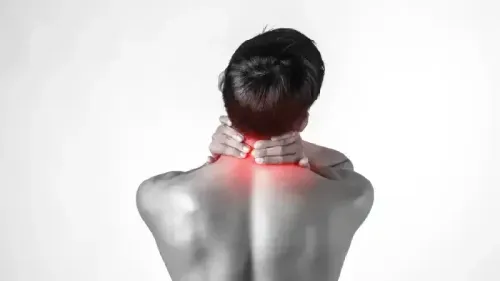
The pain that occurs in your neck area, between the shoulders and the base of your skull, is called cervical pain. Factors like poor posture, injury and strain in the muscle, degenerative changes in your cervical spine, etc, often cause cervical pain.
Neck pain/cervical pain is a common symptom for different medical conditions and injuries. In general, cervical pain can affect the quality of life and interfere in the day-to-day activities of an individual, but improves with conservative treatments, such as stress management, exercise, and pain medicine.
Knowing the symptoms and causes of cervical pain helps to adopt preventive measures and proper care at the right time.
What are the Different Types of Cervical Pain?
The following are the different types of cervical pain:
Acute Cervical Pain
Acute pain occurs suddenly and causes severe pain in the neck. This type of pain does not last more than six weeks. Injury, muscle strain, or accident often cause this type of cervical pain.
Chronic Cervical Pain
Chronic pain lasts more than three months and causes persistent discomfort in your neck area. A herniated disc, arthritis, or other degenerative changes in the cervical spine cause this pain.
Radicular Pain
Irritation or compression in the nerve root of the cervical spine causes radicular pain. It results from nerve root compression and may be accompanied by numbness, tingling, or weakness in the arm or hand.
Myofascial Pain
Myofascial pain syndrome involves localized trigger points in muscles and is often diagnosed clinically based on tenderness and referred pain patterns.
Whiplash-associated Disorders
This pain occurs when a sudden impact forces the neck to jerk back and forth, often during car accidents, leading to stiffness, discomfort, and reduced neck mobility.
Cervicalgia
Cervicalgia is a general medical term used to describe neck pain, regardless of the underlying cause, which may include muscle strain, posture-related issues, or degenerative conditions.
What are the Symptoms of Cervical Pain?
Here are some of the common symptoms of cervical pain:
- Stiffness in the neck
- Pain in neck
- Muscle spasms
- Headache
- Knot or bump in the neck
- Dizziness
- Nausea
- A grinding sound while moving your neck back
- Numbness in the arms or hands
- Muscle weakness in the shoulders, arms, or hands
- Reduced range of motion in the neck
- Radiating pain to the shoulders or upper back
- Difficulty in sleeping
What are the Causes of Cervical Pain?
Here are some of the factors that cause cervical pain:
Muscle Strain
- Overuse or misuse of neck muscles, often due to poor posture, prolonged sitting, or repetitive movements, can lead to tension and pain.
Cervical Spondylosis
- Age-related wear and tear degenerates the cervical spine, affecting discs and joints.
Osteoarthritis
- This degenerative joint disease affects the cervical vertebrae, causing pain and stiffness.
Poor Ergonomics
- Incorrect positioning during work or activities strains neck muscles, contributing to discomfort.
Spinal Stenosis
- Narrowing of the spinal canal compresses the spinal cord and nerve roots, leading to pain.
Herniated Discs
- When intervertebral discs rupture or bulge, they can press on nerves, causing pain.
Inflammatory Conditions
- Serious conditions such as meningitis can cause neck stiffness and pain but are medical emergencies and not typical causes of mechanical cervical pain.
Trauma
- Accidents or injuries damage the neck structures and cause pain due to the trauma.
Tumors
- In rare cases, tumours in your cervical area can cause pain and discomfort in the neck.
Improper Sleeping Position
- Awkward sleeping positions strain the neck and cause pain in your cervical area.
Referred Pain
- Pain from other areas, like the jaw or shoulder, may be felt in the neck.
How to Diagnose Cervical Pain?
A healthcare provider conducts a physical examination to assess neck pain, checking for abnormalities like bumps or knots. They recommend the following tests:
- Neck flexibility
- Muscle strength and reflexes in the hands, arms, and legs
- Gait assessment may also be included.
For a detailed assessment, they can recommend imaging tests such as:
- X-rays
- Computed Tomography (CT) scans
- Magnetic Resonance Imaging (MRI) scans
- Myelograms
- Electromyography (EMG)
- Nerve conduction studies are used to visualize the spine, muscles, and nerves.
These tests help diagnose underlying conditions affecting the skeletal and nervous systems.
How is Cervical Pain Treated?
Here are some of the treatment procedures for cervical pain:
1. Physiotherapeutic Treatment
Here is an overview of the physiotherapeutic treatment process for cervical pain:
- It is crucial in managing cervical discomfort by promoting muscle relaxation and improving cervical mobility.
- Techniques such as neck massage and local heat therapies are commonly used to achieve these goals.
For instance, applying warm water or moist heat to the neck and shoulder area for short durations may help relieve muscle tension.
2. Postural Hygiene
When it comes to maintaining postural hygiene for relieving cervical pain it involves the following:
- Practices like sitting on chairs with vertical backs to maintain proper posture.
- Avoiding heavy lifting.
- Applying local dry heat using an electric pad to provide additional pain relief throughout the day.
- Cervical tractions may be considered in selected cases under professional supervision, depending on the underlying cause and patient suitability.
In addition to these methods, certain medications may be prescribed under medical supervision to complement the treatment. They include:
- Analgesics
- Anti-inflammatory drugs
- Muscle relaxants
How to Prevent Cervical Pain?
You can follow these tips to prevent cervical pain related to tense muscles and strains:
- Adjust sleep positions
- Practice good posture
- Stay active with exercises
- Avoid carrying heavy objects
- Apply heat or ice to the affected area
- Use proper pillows
- Take frequent breaks from work
- Keep your head aligned
- Sleep on your back for some days
- Stay well hydrated
- Maintain supportive posture
It is essential to seek medical attention for a comprehensive evaluation and a personalized treatment plan tailored to individual needs. Always consult a doctor or other licensed healthcare provider before starting, changing, or discontinuing any treatment or exercise program related to cervical pain.
Also Read:
→ Which Oil is Best for Knee Pain Relief
→ How to Cure Neck Pain Fast At Home
Popular Topics
People Also Search For


Health Insurance Coverage for pre-existing medical conditions is subject to underwriting review and may involve additional requirements, loadings, or exclusions. Please disclose your medical history in the proposal form for a personalised assessment.
This FAQ page contains information for general purpose only and has no medical or legal advice. For any personalized advice, do refer company's policy documents or consult a licensed health insurance agent. T & C apply. For further detailed information or inquiries, feel free to reach out via email at marketing.d2c@starhealth.in







