





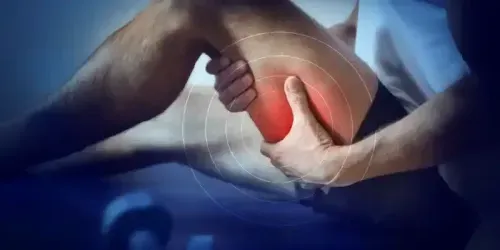
Why Do We Get Muscle Cramps After Heavy Exercise?
Muscle Cramps After Exercise: Causes & What You Can Do?
Muscle cramps are involuntary, painful contractions of a muscle or muscle group that can occur during or after intense physical activity. These cramps are commonly referred to as exercise-associated muscle cramps (EAMCs) and are frequently experienced by both recreational and competitive athletes. Despite their prevalence, the exact causes of EAMCs remain a topic of ongoing research and debate.
However, here are some of the primary causes and contributing factors for muscle cramps after heavy exercise:
Primary Causes:
1. Muscle Fatigue
One of the leading causes of post-exercise cramps is muscle fatigue. When a muscle is overused or pushed beyond its capacity, it disrupts the balance between signals that contract and relax the muscle, leading to involuntary spasms.
2. Dehydration
Inadequate fluid intake reduces the volume of fluids around the muscles and nerves, increasing the chances of cramping. Even mild dehydration can disrupt normal muscle contractions, especially in hot or humid conditions.
3. Electrolyte Imbalance
Sweating during heavy exercise leads to the loss of key electrolytes like sodium, potassium, calcium, and magnesium. These minerals are essential for proper muscle function, and their depletion can cause muscle cells to become overly excitable and prone to cramping.
Contributing Factors:
Poor Neuromuscular Control
With repeated use and fatigue, the nervous system may send excessive signals to the muscles, causing them to contract and stay locked in that position. This abnormal signalling is often due to an imbalance in excitatory and inhibitory inputs to motor neurons.
Exercising in Extreme Heat
Exercising in extreme heat can accelerate fatigue and neuromuscular dysfunction. However, lactic acid accumulation is not considered a primary cause of muscle cramps, according to current evidence. This metabolic process produces lactic acids as a by-product which can further contribute to muscle fatigue and cramps.
Nerve Malfunction
In some conditions, problems with functioning of nerve can result into muscle cramps.
Poor Circulation
Restricted blood flow to the muscles can hinder their ability to receive adequate oxygen and nutrients, potentially contributing to cramping.
Risk Factors of Muscle Cramps
Several factors increase the likelihood of developing muscle cramps after exercising:
- High-intensity or prolonged exercise: Activities like long-distance running, cycling, or weightlifting push muscles to their limit, often triggering cramps.
- Hot and humid environments: Exercising in such conditions leads to more sweating, increasing fluid and electrolyte losses.
- Inadequate training or conditioning: Untrained muscles are more prone to fatigue and improper coordination, raising the risk of cramps.
- History of cramps: People who have experienced muscle cramps in the past are more likely to get them again, especially during similar workouts.
- Age and fitness level: Older adults and those with lower fitness levels are more susceptible due to decreased muscle flexibility and slower recovery.
- Poor nutritional intake: Diets lacking in electrolytes or overall hydration can set the stage for cramps during exertion.
Understanding these risk factors can help you take proactive measures to avoid painful muscle spasms during or after intense physical activity.
Preventive Measures to Reduce Muscle Cramps While Exercising
Preventing muscle cramps involves a combination of proper hydration, nutrition, and smart training:
- Stay hydrated: Drink enough water throughout the day, especially before, during, and after workouts.
- Maintain electrolyte balance: Eat foods rich in potassium, calcium, and magnesium. In cases of prolonged exercise, consider sports drinks with electrolytes.
- Warm-up and stretch: Always start with a light warm-up and follow it with dynamic stretching to prepare muscles for exertion.
- Condition your muscles: Increase exercise intensity gradually to avoid sudden stress and overuse.
- Avoid overexertion: Take breaks during long workouts and listen to your body’s signals.
Incorporating these habits can significantly reduce the likelihood of post-exercise muscle cramps and help maintain muscle health.
Muscle cramps after heavy exercise are common but preventable. By understanding the causes, managing risk factors, and following proper prevention and treatment strategies, you can minimise discomfort and keep your workouts safe and effective.
Reader information: This article is intended for general informational and educational purposes only. It does not constitute medical advice, diagnosis, or treatment. Exercise‑associated muscle cramps can have multiple causes, and individual risk factors may vary. The information provided is based on current scientific understanding and should not be used as a substitute for professional medical consultation. Readers experiencing frequent, severe, or persistent muscle cramps, or those with underlying medical conditions, should seek advice from a qualified healthcare professional before making changes to their exercise, hydration, or nutrition routines.
Also Read:
→ How to Stop Muscle Cramps Fast
HELP CENTRE
Confused? We’ve got the answers
We’re Star Health. We offer the coverage that’s designed to help keep you healthy. It's the care that comes to you, and stays with you.
A muscle cramp can happen after working a muscle straining too hard, simply holding a position for a long time or losing body fluids through sweat. It is common in deconditioned athletes or with electrolyte losses. Recurrent cramps warrant evaluation for deficiencies (e.g., Mg²⁺, Na⁺) or medical conditions (e.g., neuropathies).
Common causes of muscles pain are muscle strain, overexertion, tension & stress, nutritional deficiencies and injuries.
Popular Topics
People Also Search For


Health Insurance Coverage for pre-existing medical conditions is subject to underwriting review and may involve additional requirements, loadings, or exclusions. Please disclose your medical history in the proposal form for a personalised assessment.
This FAQ page contains information for general purpose only and has no medical or legal advice. For any personalized advice, do refer company's policy documents or consult a licensed health insurance agent. T & C apply. For further detailed information or inquiries, feel free to reach out via email at marketing.d2c@starhealth.in







