





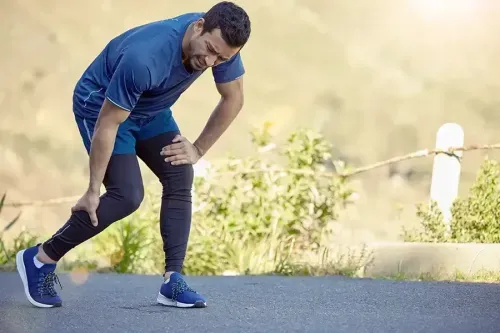
What are Muscle Cramps?
Understanding Muscle Cramps
What are muscle cramps? Muscle cramps are most often benign and related to muscle fatigue or dehydration; less commonly, frequent or severe cramps may be associated with an underlying medical condition. Although they are mostly harmless, frequent cramps may be a reason for something more. Let's see what are muscle cramps in detail and what causes them.
Muscle Cramps Meaning
Muscle cramps are painful, involuntary contractions or spasms in one or more of your muscles. They are very common, sudden, and often happen after you work out. Some people may experience muscle cramps, particularly in the legs, during the night. These cramps can be quite painful and may persist for a duration ranging from a few seconds to several minutes.
Moreover, they can occur in any muscle, but the most commonly affected areas are:
- Feet
- Thighs
- Arms
- Neck
- Back
- Abdomen
- Hands
- The area along your ribcage
Please note that the cramps can include just a part of a muscle, the entire muscle, or even multiple muscles within a group.
Symptoms of Muscle Cramps
The common symptoms that you might experience are:
- Sudden, intense feeling of painful spasms that seem to take over the muscle
- Twitching in the affected area.
Common Causes of Muscle Cramps
We have already discussed what are muscle cramps and their symptoms. Now let’s explore the common causes behind them.
Several factors can contribute to muscle cramps:
- Straining or overusing a muscle
- Dehydration
- Dehydration or fluid imbalance
- Low electrolyte levels
- Reduced blood flow (usually related to conditions such as peripheral artery disease)
- Nerve compression
- Pregnancy(commonly due to fluid shifts, circulation changes, or electrolyte imbalance, especially in later stages)
- Certain medications
- Dialysis
How Can You Prevent Muscle Cramps
While muscle spasms can be unpredictable, you can take steps to reduce the risk:
- Stay Hydrated: Drink plenty of water tomaintainproper muscle function.
- Stretch Regularly: Focus on flexibility exercises, especially for muscles prone to cramps.
- Improve Fitness Levels: Engage in regular physical activity to strengthen muscles.
- Avoid Extreme Heat: Exercise in a cool environment to prevent dehydration and overheating.
- Wear Proper Footwear: Ensure your shoes fit well to support muscle health.
- Maintain a Healthy Weight: Excess weight can strain muscles and increase the risk of cramps.
- Be Mindful of Medications: Check if any prescribed drugs have muscle spasms as a side effect.
Here are some other ways you can prevent muscle cramps, especially for night cramps:
- Some people find positional changes or gentle stretching before bed helpful, although evidence for these measures is limited.
- Let your feet hang off the bed if sleeping on your stomach.
- Stretch before bedtime to relax muscles.
- Keep blankets and sheets loose around your legs.
Treatment for Muscle Cramps
If you experience a muscle cramp:
- Stop the Activity: You must discontinue any movement or exercise immediately if it causes the cramp to prevent further cramps and allow the affected muscle to relax.
- Stretch and Massage: Gently stretch the cramped muscle and apply a soothing massage, holding the stretch until the muscle relaxes and the cramp subsides completely.
- Apply Heat or Cold: Use a warm towel or heating pad to relax tense muscles. Alternatively, applying ice packs can help alleviate pain.
- Hydrate: Drink water or an electrolyte solution to replenish lost fluids and minerals.
- Pain Relievers: Medications such as ibuprofen or acetaminophen may help reduce discomfort after a cramp, but they do not stop the muscle spasm itself.
When to Seek Medical Help for Muscle Cramps
Muscle cramps are usually harmless, and most of the time they go away on their own. They don’t require any medical attention. Muscle cramps usually last seconds to minutes and may cause mild to severe pain. In circumstances where cramps are severe or occur alongside other symptoms such as swelling, it’s better to consult a doctor.
You should consult a doctor for muscle cramps if you experience any of the following:
- Severe or unbearable pain.
- Swelling, redness, or warmth in the affected area. (Note: "redness" refers to the skin of the cramped muscle, not the eye)
- Muscle weakness or loss of function in the affected limb.
- Numbness or a "pins and needles" sensation.
- No improvement despite self-care measures like stretching, hydration, and rest.
Frequent recurrence that interferes with sleep or daily activities.
What is the Difference Between Muscle Cramps and Muscle Strains
Many people often confuse between muscle strains and muscle cramps. Though they may have similar symptoms, they are not the same. Here is how they differ:
| Feature | Muscle Cramps | Muscle Strains |
| Definition | Involuntary muscle contraction that does not relax. | Tearing of muscle fibres due to overstretching. |
| Cause | Fatigue, dehydration, electrolyte imbalance, or prolonged muscle use. | Sudden overstretching or excessive force on the muscle. |
| Common Triggers | Strenuous activity, hot weather, dehydration, and certain medications. | Running, jumping, lifting heavy objects, or sudden movements. |
| Symptoms | Sharp pain, muscle tightness, visible twitching, and temporary immobility. | Pain, swelling, bruising, and difficulty moving the affected muscle. |
| Duration | Temporary, lasting a few seconds to minutes. | It can take days to weeks to heal, depending on severity. |
| Severity | Generally mild and harmless. | Ranges from mild (first-degree) to severe (third-degree) muscle tears. |
| Treatment | Rest, stretching, hydration, and massage. | Rest, ice therapy, compression, elevation (RICE), and sometimes medical intervention. |
| Long-Term | Impact Usually no lasting damage. | Severe strains may require surgery and prolonged rehabilitation. |
Now, if you experience muscle cramps, follow these simple steps to manage them effectively. While common, cramps can disrupt daily activities. Therefore, make sure that you yourself hydrated regularly, stretch regularly, and maintain proper diet fitness to reduce the chances of cramps. If symptoms persist, you should consult a doctor.
Disclaimer: This article is intended for general informational and educational purposes only. If you experience severe, persistent, or recurring muscle cramps, or cramps accompanied by other symptoms, consult a doctor promptly.
Also Read:
→ How to Stop Muscle Cramps Fast
HELP CENTRE
Confused? We’ve got the answers
We’re Star Health. We offer the coverage that’s designed to help keep you healthy. It's the care that comes to you, and stays with you.
Muscle cramps are involuntary and sudden tightening or contraction of one or more muscles.
Muscle cramps are usually temporary. The intense, painful contraction itself typically lasts from a few seconds to several minutes. However, a lingering sensation of tenderness or soreness in the muscle may persist for a longer period afterward.
Sharp pain, muscle tightness, visible twitching, and temporary immobility are some of the common symptoms of muscle cramps.
Popular Topics
People Also Search For


Health Insurance Coverage for pre-existing medical conditions is subject to underwriting review and may involve additional requirements, loadings, or exclusions. Please disclose your medical history in the proposal form for a personalised assessment.
This FAQ page contains information for general purpose only and has no medical or legal advice. For any personalized advice, do refer company's policy documents or consult a licensed health insurance agent. T & C apply. For further detailed information or inquiries, feel free to reach out via email at marketing.d2c@starhealth.in







