






Paneer in Diet-Nutritional Health Benefits
Top Health Benefits of Paneer in Your Daily Diet
Paneer is a type of Indian cottage cheese that offers numerous health benefits for adults and children. It improves muscle growth, digestion and healthy bone formation.
This is quite a popular dairy product in South Asia and India, and it is available in different varieties on the market. Let us learn about the nutritional health benefits of paneer in a regular diet.
What is Paneer?
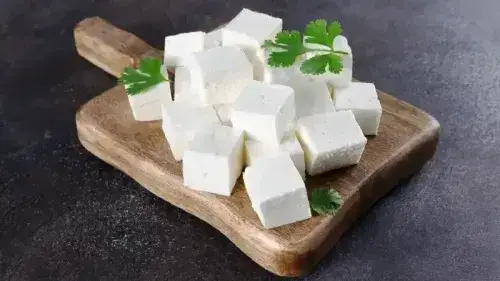
Paneer refers to a fresh and non-melting cheese famous in the Indian subcontinent. This firm and white cheese is prepared by curdling heated milk (cow or buffalo) with an acidic agent such as vinegar or lemon juice. It is an acid-set cheese that has a soft, slightly tangy flavour and a spongy texture. The paneer is generally used as a rich protein source for vegetarians in curries, sweets and snacks.
What are the Nutritional Health Benefits of Paneer?
A 100-gram portion of paneer typically provides 18–20 g of protein and 20–22 g of fat, with 2–3 g of carbohydrates, depending on the type of milk used. It is a better choice for a protein-rich diet as it can be used as an alternative to meat.
Here, we will discuss the nutritional health benefits of paneer in the diet:
1. Promotes Teeth and Bone Development
Paneer contains Vitamin D and calcium as the main nutritional components. These are the ideal sources for bone or teeth strengthening and development.
Apart from this, calcium plays a vital role in improving the nervous and muscular systems in old age. Both adults and children can consume paneer in their regular diet to enhance teeth and bone development.
2. Reduces the Risk of Cancer
It consists of a high amount of calcium, sphingolipids, and vitamin D, which are derived from milk. Sphingolipids and proteins are the key components combating cancers at the initial stages. Paneer contains calcium and vitamin D, which have been associated with a potentially reduced risk of colorectal cancer in observational studies. However, paneer itself should not be considered a preventive or protective treatment against cancer.
3. Helps in Weight Loss
Paneer contains various short chains of fatty acids and a low amount of highly digestible carbohydrates. These fats are broken down and absorbed easily in the internal digestive lining and release energy.
4. Improves Digestive Functions
Including paneer in everyday diet can increase the amount of phosphorus and magnesium in the body. These two are responsible for the proper functioning of the digestive system. Paneer provides small amounts of magnesium and phosphorus that support normal metabolic and digestive functions.
5. Builds a Strong Immunity
It improves immunity, especially in growing kids, if consumed in daily diets. Paneer contributes vitamin B12, which supports red blood cell formation. Vitamin B Complex is also present in paneer, which helps improve memory and concentration in kids.
Best Dietary Choice for Diabetic Patients
Many diabetic patients do not consume dairy products in their daily diets. This is why doctors and dieticians prefer to consume paneer in their daily diets.
Paneer is rich in components like Magnesium and Cyanocobalamin, which regulate the overall blood sugar level. Low-carb diets control the drastic fluctuations in blood glucose levels, making it a great choice for diabetic patients.
What are the Nutritional Value of Paneer?
Paneer is rich in protein, fat and other required minerals such as calcium, vitamins, and phosphorus.
Let us discuss the nutritional value of 100 grams of paneer:
Nutrient | Amount |
Calories | 265–300 |
Protein | 18–20g |
Fat | 20–22g |
Saturated Fat | 12–14g |
Carbohydrates | 2–3g |
Calcium | 350mg |
Phosphorus | 350mg |
Vitamin | B12 0.9μg |
Zinc | 2.7mg |
Apart from all these, it acts as an antioxidant and boosts immunity, along with stress-relieving properties. It can be a great dietary choice if you consume it in moderate quantities.
Precautions While Incorporating Paneer in Diet
Over-eating of paneer is not recommended. So, general precautions have to be followed :
- l Paneer might be an ideal food for pregnant and breastfeeding women. But women in this stage need to consult their doctors before they have it. However, it is critical to consume paneer made from pasteurized milk only to avoid the risk of foodborne illnesses.
- l Paneer might be nutritious for growing children, infants, and adults. But if they are lactose intolerant, do not give them paneer.
- Before purchasing paneer, verify its quality. Make sure it is clean, firm, and spongy with a better odour. It does not have any discolouration or impurities.
Reader Information: This article is intended for general informational purposes only and does not constitute medical, nutritional, or dietary advice. Individual nutritional needs and health conditions may vary. Readers are advised to consult a qualified healthcare professional, doctor, or registered dietitian before making any significant changes to their diet, especially in cases of pregnancy, breastfeeding, diabetes, lactose intolerance, cardiovascular conditions, or other medical concerns.
Also Read:
→ Sustain a No Sugar Diet: Health Benefits
→ Vegetables That Increase Uric Acid Levels
→ What Drink is Good for Bone Repair
→ What to Eat When You Have Chickenpox
HELP CENTRE
Confused? We’ve got the answers
We’re Star Health. We offer the coverage that’s designed to help keep you healthy. It's the care that comes to you, and stays with you.
Yes, paneer can be a great inclusion in your diet, particularly for weight management and overall health. It contains protein, and it's low in carbohydrates. However, because it is high in saturated fat and calories, portion control is important. Choosing paneer made from toned milk can be a lower-fat alternative.
Paneer contains a modest amount of Vitamin B12. According to standard nutritional databases, 100g of cow milk paneer provides approximately 0.2 - 0.3 micrograms of Vitamin B12, contributing about 8-12% of the daily adult requirement. It is a useful source for vegetarians but is not a rich source compared to animal meats or fortified foods.
Popular Topics
People Also Search For


Health Insurance Coverage for pre-existing medical conditions is subject to underwriting review and may involve additional requirements, loadings, or exclusions. Please disclose your medical history in the proposal form for a personalised assessment.
This FAQ page contains information for general purpose only and has no medical or legal advice. For any personalized advice, do refer company's policy documents or consult a licensed health insurance agent. T & C apply. For further detailed information or inquiries, feel free to reach out via email at marketing.d2c@starhealth.in







