





What is Vermis Syndrome?
A Guide to Managing Vermis Syndrome Effectively
The cerebellum in our brain is responsible for balance, coordination, motor movements, and behaviour. The central region connecting the two hemispheres of the cerebellum is called the vermis. Damage or malfunction of this strip of tissue can lead to loss of motor function, intellectual disability, and other neurological disorders.
Vermis syndrome’ is not a recognized medical diagnosis; it is an informal descriptive term sometimes used to refer to symptoms resulting from dysfunction or malformation of the cerebellar vermis. Congenital brain malformations, brain tumours, or strokes can lead to a damaged or absent vermis.
Read on to learn about vermis syndrome, its causes and treatments, and other details.
What is Vermis Syndrome?
Vermis syndrome is not a standard medical term. It is an informal term used to describe the neurological symptoms developed from a damaged or underdeveloped vermis.
Vermis syndrome cannot be an official diagnosis but an umbrella term for certain conditions that arise from vermis dysfunction.
What Causes Vermis Syndrome?
Several conditions can lead to vermis syndrome.
- Cerebellar Stroke: Occurs due to reduced blood flow in the brain. It can damage the vermis.
- Brain Tumours: A tumour or a treatment can lead to vermis injury.
- Congenital Brain Malformations: Conditions such as Dandy-Walker syndrome or Joubert syndrome can cause damage to the vermis.
- Multiple sclerosis (MS): An inflammatory disease that can impair cerebellar functions.
- Alcohol Abuse: Chronic alcohol abuse can harm the vermis and cause cerebellar degeneration.
- Brain Injury: Traumatic injury in the posterior fossa can damage the vermis on the cerebellum.
What Are The Symptoms of Vermis Syndrome?
The symptoms of vermis syndrome reflect the effects of a damaged vermis. The functions associated with the cerebellum get impaired. The symptoms include:
- Truncal Ataxia: Loss of muscle control can disrupt balance while sitting or standing.
- Nystagmus: involuntary eye movements or “shaky eye”.
- Vertigo or Dizziness: Vertigo or dizziness may occur due to central vestibular dysfunction when the cerebellar vermis is involved, rather than from inner-ear fluid imbalance, which is characteristic of peripheral vestibular disorders.
- Poor coordination: Damage or lesions on the vermis can cause loss of motor coordination (cerebellar ataxia)
- Speech Difficulties: In severe cases, damage to the vermis can cause speech disorders and behavioural problems.
In babies with congenital malformation of the vermis, other symptoms like a large head, abnormal muscle tone, and extreme intellectual dysfunction are present.
Is Vermis Syndrome Genetic?
All vermis-related conditions are not genetic. But some of them are.
- Genetic ataxias, such as autosomal dominant spinocerebellar ataxias or autosomal recessive ataxias like the Friedrich ataxia, can affect parts of the cerebellum, including the vermis. Rare genetic conditions can lead to gradual degeneration of the cerebellum (progressive cerebellar atrophy). This condition leads to coordination and balance issues, which are tell-tale signs of vermis disorder.
- Congenital malformations involving the vermis, 4th ventricle, and other parts of the cerebellum, such as Joubert syndrome or Dandy-Walker syndrome, are linked with chromosomal defects or genetic mutations.
What is the Diagnosis of Vermis Dysfunction?
A dysfunctional vermis can be found in both kids and adults. Children are more likely to have it from congenital malformations. Damage to an adult vermis can happen due to stroke, tumours, trauma, or brain degeneration.
Diagnosis involves:
- Neurological examinations assessing coordination, balance, and other factors.
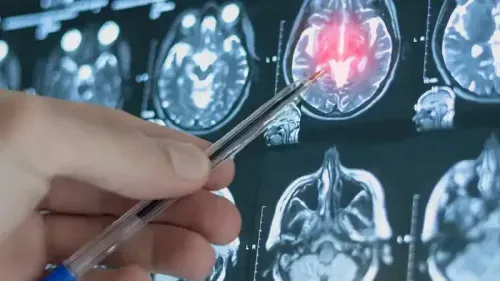
- Scans such as CT scans and MRIs can detect any deformation or abnormalities (hypoplasia or atrophy).
- Genetic testing is done on patients with suspected congenital disorders.
- Prenatal scans at the end of the first trimester can detect embryonic brain defects.
What Are the Treatments for Vermis Syndrome?
There are no cures for vermis or cerebellar conditions. However, some treatments can make life easier for patients with these conditions.
- Physical Therapy to improve balance, coordination, and motor development issues.
- Speech Therapy addresses language issues and speech problems in children with vermis dysfunction.
- Occupational and special therapies are essential in cases of congenital issues.
- Tumours on the cerebellum can be removed surgically. However, post-surgery therapies will be necessary to gain complete control of muscles and coordination.
Dietary restrictions include:
- Abstaining from alcohol
- Intake of more grains and lean meat and fish.
- Thiamine (vitamin B1) deficiency is associated with cerebellar degeneration, particularly involving the vermis, as seen in conditions such as chronic alcoholism and Wernicke-related disorders.
The work of the cerebellum and vermis usually goes unnoticed unless it gets affected. Our balance, coordination, speech, visual, and muscle movements depend on it. Understanding the vermis and how its impairment affects the body is crucial. It will help understand the related neurological conditions and make early diagnosis possible.
Reader information: This article is intended for general informational and educational purposes only. It does not constitute medical advice, diagnosis, or treatment, and should not be used as a substitute for professional medical consultation. Vermis‑related conditions and cerebellar disorders vary widely in cause, severity, and presentation, and management should always be individualized.
Readers are strongly advised to consult a qualified neurologist, paediatric neurologist, or other healthcare professional for proper evaluation, diagnosis, and treatment of any neurological symptoms or concerns. The information provided here is based on current medical understanding at the time of writing and may not reflect the most recent research or clinical guidelines.
Also Read:
→ Reye's Syndrome, and what causes it
Popular Topics
People Also Search For


Health Insurance Coverage for pre-existing medical conditions is subject to underwriting review and may involve additional requirements, loadings, or exclusions. Please disclose your medical history in the proposal form for a personalised assessment.
This FAQ page contains information for general purpose only and has no medical or legal advice. For any personalized advice, do refer company's policy documents or consult a licensed health insurance agent. T & C apply. For further detailed information or inquiries, feel free to reach out via email at marketing.d2c@starhealth.in







