





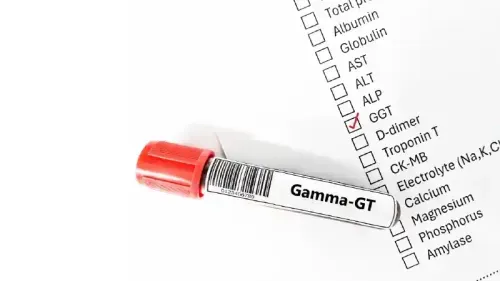
What Level of GGT Is Considered Dangerous?
Dangerous GGT Levels: What’s Normal, High & Critical Explained
GGT levels above the laboratory-specific upper limit of normal are considered elevated and may indicate liver or biliary tract disease, alcohol use, or medication effects. Doctors suspect a higher level of GGT can result in liver or bile duct damage. Elevated GGT is more commonly observed in older adults due to higher prevalence of medication use, metabolic disease, and alcohol exposure.
What is gamma-glutamyl transferase?
Gamma-glutamyl transferase (GGT) is an enzyme found in the cells and tissues of the liver, kidneys, brain, heart, and pancreas. It is responsible for various biochemical processes and protects is a biomarker of oxidative stress/damage. Elevated GGT levels reflect increased enzyme release due to liver cell injury, bile duct obstruction, or enzyme induction, rather than a protective response.
Normal ranges are lab- and gender-specific:
- Men: 10–60 IU/L
- Women: 7–35 IU/L
| GGT Level (IU/L) | Clinical Significance | Action |
| <50 | Normal (context-dependent) | None unless symptoms present |
| 50–200 | Mild elevation | Rule out NAFLD, alcohol, drugs |
| >200 | Significant elevation | Investigate for cholestasis, biliary obstruction, or tumors |
| >500 | Severe elevation | Urgent evaluation for acute cholangitis or malignancy |
What Are the Factors That Can Increase GGT?
Several factors influence GGT levels in your body, which we will discuss in detail below:
- Liver Diseases : Diseases like cirrhosis, hepatitis, liver cancer or liver tumours can increase GGT levels in the blood. As this enzyme protects our vital organs from damage, critical conditions trigger the liver cells to produce more GGT, leading to more severe complications.
- Pancreatitis : Acute inflammation of the pancreas can increase the GGT levels in the blood. Due to liver or bile duct injury, GGT gets released into the bloodstream. A damaged liver finds it difficult to transfer the GGT to the pancreas, and due to the damaged bile duct, GGT swells and breaks into the bloodstream.
- Diabetes : High blood sugar levels can affect the GGT level. Non-alcoholic fatty liver disease (NAFLD) is a common problem in diabetes, which causes excess fat accumulation in the liver. Excessive fat accumulation means the liver cannot digest the fats properly, leading to heightened oxidative stress and reduced glutathione metabolism.
- Alcohol Consumption : Excessive alcohol consumption can damage the proper functioning of the liver. A damaged liver elevates the GGT level within the body and can cause severe liver diseases or pancreatitis. Alcohol produces free radicals in the bloodstream, which can cause oxidative stress or damage to the hepatocytes.
- Medications : Most medicines have various health side effects if taken regularly. Similarly, certain drugs like phenytoin, phenobarbital, and oral contraceptives can elevate the GGT levels. Medicines can induce toxic reactions within the hepatocytes, resulting in elevated GGT levels. High levels of GGT can create other underlying conditions.
What is Gamma-Glutamyl Transferase (GGT) important for?
Gamma-glutamyl transferase (GGT) is primarily used as a marker of liver and bile duct disease and is not routinely used to assess kidney damage in clinical practice. As we know, this enzyme is predominant in the kidney, liver, pancreas and brain. Thus, abnormal ranges can identify any kind of underlying conditions.
- It helps in detecting any kind of liver and bile duct damage.
- GGT helps doctors determine and differentiate between bone and liver disorders.
- Healthcare experts can monitor alcohol consumption levels through this particular test.
- The following enzyme plays a key role in the body's defence mechanism as it regulates glutathione metabolism, a key antioxidant in the body.
Normal GGT reference ranges vary by laboratory and patient factors, and typically fall between approximately 7–60 IU/L in adults, which signifies the proper functioning of all the vital organs. Whereas elevated levels above the normal physiological range may need healthcare support.
Disclaimer: This article is intended for general informational and educational purposes only. GGT levels can vary based on laboratory methods, age, sex, medical history, medications, and lifestyle factors. Elevated GGT values are nonspecific and must be interpreted in conjunction with clinical findings and other laboratory tests by a qualified healthcare professional.
Also Read:
→ Level of Haemoglobin Is Dangerously High
→ Level of Jaundice is Dangerous
→ Level of Low Blood Sugar is Dangerous
→ Level of Lymphocytes is Dangerous
FAQs
GGT levels above the normal range, normal ranges vary by lab and gender. Levels above the normal range may indicate underlying issues, but interpretation depends on lab reference values and clinical context. High levels may be a sign of liver disease, bile duct blockage, or heavy alcohol use.
A high GGT level may indicate liver damage, problems with the bile ducts or chronic alcohol use, but it is not always specific. Elevated GGT can also increase due to fatty liver, certain medications, or other underlying metabolic conditions.
High GGT levels in the body can be caused by liver diseases, excessive alcohol consumption, certain medications and some other conditions, such as obesity or diabetes.
The symptoms of high GGT levels are fatigue, jaundice, abdominal pain, nausea, and vomiting, dark or light urine, or stool.
GGT is measured through a simple blood test, also known as a liver function test (LFT). A small blood sample is taken and then checked to see the GGT level in units per litre (U/L).
Popular Topics
People Also Search For



Health Insurance Coverage for pre-existing medical conditions is subject to underwriting review and may involve additional requirements, loadings, or exclusions. Please disclose your medical history in the proposal form for a personalised assessment.
This FAQ page contains information for general purpose only and has no medical or legal advice. For any personalized advice, do refer company's policy documents or consult a licensed health insurance agent. T & C apply. For further detailed information or inquiries, feel free to reach out via email at marketing.d2c@starhealth.in







