





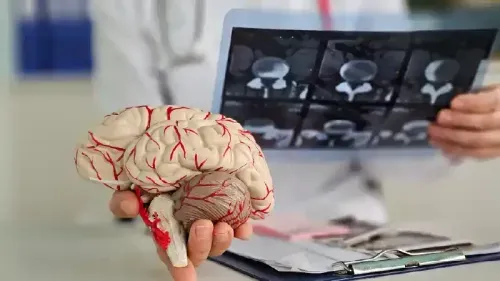
What is the Best Treatment for Stroke?
Stroke Recovery & Treatment: From Medication to Rehabilitation
A stroke is a neurological emergency caused either by interrupted blood flow (ischemic stroke) or bleeding into or around the brain (haemorrhagic stroke), resulting in inadequate supply of oxygen and nutrients to brain cells. If this condition is not treated immediately, brain cells begin to die within minutes, leading to brain injury, disability, or death.
Types of Strokes
Stroke is primarily classified into three different groups:
- Ischemic Stroke - A plaque buildup that blocks a blood vessel in the brain
- Haemorrhagic Stroke - A blood vessel in the brain ruptures
- Transient Ischemic Attack - A temporary disruption of blood flow to the brain
What are Stroke Symptoms?
Generally, a stroke can cause different symptoms depending on which area of your brain it affects. The earlier individuals recognise the symptoms and signs of a stroke, the sooner treatment can begin, which improves the chances of survival and reduces long-term disability. The common symptoms of stroke include:
- Confusion
- Headaches
- Numbness
- Blurry vision or double vision
- Dizziness or vertigo
- Difficulty in walking
- Trouble speaking
- Loss of memory
- Seizures
- Feeling weak or tired
What is the First-line Treatment for a Stroke?
The treatment for stroke depends on its type—ischemic stroke, caused by a blocked blood vessel, or haemorrhagic stroke, caused by intracerebral bleeding. Early intervention is essential, and treatment guidelines vary accordingly. The first-line treatment is mainly for ischemic stroke, which is also the majority of cases, and it includes the following:
1. Emergency Treatment of Ischemic Stroke
Immediate Emergency Care
It involves a quick diagnosis and transfer to a facility that can treat a stroke. Early treatment is critical (“time is brain”), as faster reperfusion significantly improves outcomes, even though effective treatment windows may extend several hours.
- a) Intravenous Thrombolysis (tPA) : The most effective and commonly used treatment for ischemic stroke is tissue plasminogen activator (tPA). It is an intravenous drug that dissolves clots, restoring blood flow.
Time Window: Ideally, administer within 3 to 4.5 hours of symptom onset.
Effectiveness: It has been proven to significantly enhance the likelihood of recovery and reduce disability when administered early.
Limitations: Should not be applied to patients with a higher risk of bleeding or certain medical conditions. - b) Endovascular Thrombectomy: For certain patients with large artery occlusion, doctors will perform a mechanical thrombectomy, which involves inserting a catheter into the artery and manually removing the clot.
Time Window: Optimal within 6 hours, but under certain conditions, it may be acceptable even after 24 hours since the onset of symptoms.
Effectiveness: Most effective in patients with large vessel occlusion and severe symptoms. - c) Antiplatelet and Anticoagulant Therapy : Antiplatelet therapy is initiated after 24 hours in patients treated with IV thrombolysis, once repeat brain imaging excludes intracranial bleeding. In atrial fibrillation or other cardiovascular diseases, anticoagulation with warfarin or newer agents (e.g., apixaban, dabigatran) may be initiated.
Supportive Care and Secondary Prevention
- In addition to their acute treatment, patients receive supportive care to maintain stable blood pressure, blood sugar levels, and other vital signs.
- Secondary prevention includes antiplatelet therapy and anticoagulants, as well as lifestyle modification and control of risk factors (hypertension, diabetes, tobacco use) to prevent recurrence.
Keep reading to learn about the best stroke treatment!
2. Emergency Treatment for Haemorrhagic Stroke
Haemorrhagic strokes occur when a weakened vessel ruptures and bleeds into the brain. The treatment aims to stop the bleeding and decrease pressure in the brain.
- a) Blood Pressure Management : Hypertension is a common condition in haemorrhagic stroke and must be controlled carefully to avoid worsening cerebral perfusion while preventing rebleeding.
- b) Surgical Intervention : Surgery may be required in some cases to:
Remove the hematoma (accumulated blood).
Repair a ruptured aneurysm.
Remove or block an arteriovenous malformation (AVM). - c) Clotting Factor Administration : In patients taking blood thinners, reversal agents — such as vitamin K, fresh frozen plasma, or an antidote specific to the agent, like idarucizumab for dabigatran — reverse the effects of these medications on normal coagulation.
3. Transient Ischemic Attack (TIA)
TIAs are temporary episodes of neurological impairment caused by a temporary disruption of blood flow to the brain. They do not result in permanent damage but serve as a sinister warning.
- Treatment focuses on preventing future strokes.
- Medications such as antiplatelets (aspirin, clopidogrel), anticoagulants (if due to atrial fibrillation), and statins are used.
- Lifestyle changes and management of risk factors (hypertension, diabetes, and smoking) are essential.
What are Stroke risk factors?
Anybody can have a stroke, but some people have a higher risk. The following are some of the risk factors:
- Are older than 65
- Smoke or use other forms of tobacco or nicotine (like vaping)
- Use recreational or nonprescription drugs
Having certain health conditions can increase your stroke risk, including:
- Over alcohol consumption
- Tobacco use
- Frequent migraine headaches
- High blood pressure
- High cholesterol levels (hyperlipidaemia)
- Type 2 diabetes
Post-Stroke Care and Rehabilitation for Stroke
Regardless of the type of stroke, rehabilitation is critical for recovery. It usually begins as soon as the patient is stable. The rehabilitation process usually consists of the following:
- a) Physical Therapy : Focuses on rehabilitating strength, coordination, and motor function in the weak or paralyzed side of the body.
- b) Occupational Therapy : Aids the patient in recovering daily activities such as dressing, eating, and bathing.
- c) Speech and Language Therapy : Essential for patients who speak slowly, have difficulty understanding language, or experience trouble swallowing.
- d) Cognitive Rehabilitation : Works to reverse impairments in memory, thinking, and judgment that are characteristic of post-stroke.
- e) Psychological Support : Depression and anxiety are common after a stroke. Counselling, support groups, and medications can help manage mental illness.
Preventive Measures for Future Stroke
Adopting secondary prevention measures after a stroke is crucial to avoid recurrence. The most important steps are:
- Blood Pressure Control: Maintaining blood pressure within normal limits.
- Cholesterol Management: Statins may be prescribed to lower cholesterol.
- Blood Sugar Control: For diabetic patients, strict glucose control is essential.
- Lifestyle Changes: Stopping smoking, eating a healthy diet, exercising regularly, and limiting alcohol intake.
- Medication Adherence: Long-term use of antiplatelet or anticoagulant medications as prescribed.
Stroke treatment is most effective when accomplished early, utilizing clot-dissolving agents for ischemic stroke and surgical intervention for haemorrhagic stroke. Timely medical intervention, rehabilitation, and preventive measures significantly enhance recovery prospects. Managing risk factors through lifestyle changes and medications is crucial in preventing recurrent strokes. A multidisciplinary care plan can greatly benefit survivors by improving the quality of care.
Reader information: This article is intended for general informational and educational purposes only. It does not constitute medical advice, diagnosis, or treatment. Stroke symptoms, causes, and treatments can vary significantly between individuals. Readers should not rely on this information as a substitute for professional medical consultation. Always seek the advice of a qualified healthcare professional regarding any medical condition, symptoms, or treatment decisions. In case of a medical emergency, seek immediate medical attention or contact local emergency services.
Also Read:
→ What Causes a Stroke to Happen
Popular Topics
People Also Search For


Health Insurance Coverage for pre-existing medical conditions is subject to underwriting review and may involve additional requirements, loadings, or exclusions. Please disclose your medical history in the proposal form for a personalised assessment.
This FAQ page contains information for general purpose only and has no medical or legal advice. For any personalized advice, do refer company's policy documents or consult a licensed health insurance agent. T & C apply. For further detailed information or inquiries, feel free to reach out via email at marketing.d2c@starhealth.in







