





What Causes a Stroke to Happen?
Stroke Causes & Risk Factors: How to Stay Protected
Stroke is a major health challenge in India, as the incidence and prevalence of stroke have been increasing alarmingly in the past few decades. The current data estimates India has 1.25-1.5 million new stroke cases every year, accounting for around 10% of the global stroke burden. It is also the fourth leading cause of death and the fifth leading cause of disability in the country.
This condition takes a toll on those not just of advanced years; a sizeable number of younger adults are affected, with 1 in 4 stroke patients being under the age of 45. Given the rising toll of strokes, it is vital to be aware of what triggers this condition, the associated risk factors, and how health insurance can ensure financial security against it.
Read on to learn more!
What Causes a Stroke?
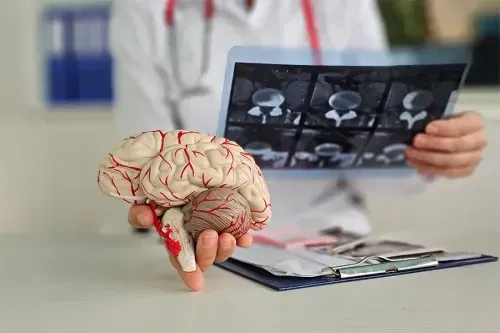
A stroke happens when blood flow to a part of the brain is stopped or decreased, preventing brain tissues from receiving oxygen and nutrients, resulting in the brain cells dying within minutes. There are two main categories of stroke:
- Ischemic Stroke: This is the more common type of stroke, accounting for around 85 to 90% of cases in India. It occurs when a blood clot blocks or narrows a blood vessel that supplies blood to the brain. The clot can also form due to fatty deposits (plaque) in the arteries or irregular heart rhythms that dislodge clots and transport them to the brain.
- Haemorrhage Stroke: A weakened blood vessel in the brain breaks and bleeds into or around the brain. Haemorrhagic strokes can also be caused by high blood pressure and by the use of blood-thinning drugs.
There’s also a transient ischemic attack (TIA), sometimes known as a “mini stroke,” during which the blockage is temporary and doesn’t result in permanent damage but is a warning sign that you’re at high risk of a full stroke in the future.
What are the Major Risk Factors for Stroke in India?
The rising burden of strokes in India can be attributed to several factors, quite a few of them lifestyle and health conditions:
- Hypertension: It is the leading cause of stroke in India. Uncontrolled hypertension damages arteries and raises the risk of haemorrhagic and ischemic strokes.
- Diabetes: One of the most common diseases in India, diabetes damages blood vessels, thereby increasing the risk of stroke, especially when it exists in conjunction with high blood pressure.
- Tobacco Use: Smoking and chewing tobacco increase stroke risk by increasing blood pressure and damaging arteries. Tobacco, in one form or the other, is prevalent in India and significantly contributes to the incidence of stroke.
- Heart Disease: Irregular heartbeat (atrial fibrillation) and clogged arteries can lead to the formation of blood clots, which can result in ischemic stroke.
- Obesity and Physical Inactivity: Overweight status and sedentary lifestyles contribute to hypertension, diabetes, and heart disease, all of which increase stroke risk.
- Air Pollution: Air pollutants are a major environmental risk factor in Indian cities, and they are responsible for cardiovascular and stroke risk.
- Genetics and Age: Stroke risk usually increases with age, but in India, a considerable percentage of strokes occur in young adults under 50 years of age because of lifestyles and genetic predisposition.
What are the Current Scenario and Challenges Regarding Stroke in India?
Stroke cases have increased by 51% (from 4.4 million in 1990 to 9.4 million in 2021) in India. In some regions, such as urban areas, they have high stroke rates due to lifestyle changes, pollution, and better diagnosis. While the incidences are high, only about 25% of Indians have access to stroke-ready hospitals, which can provide the timely intervention essential to reduce disability and death.
A stroke imposes a significant economic and social burden. Survivors are frequently left with a long-term disability that requires expensive ongoing medical care, rehabilitation, and support, which can be financially draining for families.
Reader information: This article is intended for general informational and educational purposes only. It does not constitute medical advice, diagnosis, or treatment. The information provided is based on publicly available medical literature and guidelines available at the time of writing. Readers are advised not to rely solely on this content for health‑related decisions and to consult a qualified healthcare professional for personalised medical advice, diagnosis, or treatment.
Also Read:
Popular Topics
People Also Search For


Health Insurance Coverage for pre-existing medical conditions is subject to underwriting review and may involve additional requirements, loadings, or exclusions. Please disclose your medical history in the proposal form for a personalised assessment.
This FAQ page contains information for general purpose only and has no medical or legal advice. For any personalized advice, do refer company's policy documents or consult a licensed health insurance agent. T & C apply. For further detailed information or inquiries, feel free to reach out via email at marketing.d2c@starhealth.in







