





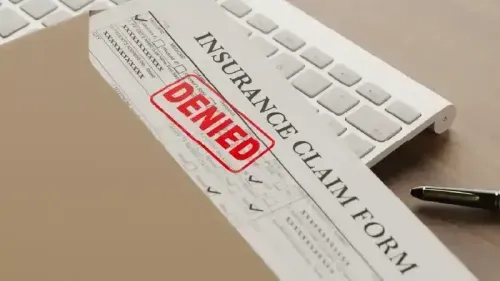
Why Health Insurance Claims Gets Rejected?
Common Reasons for Health Insurance Claim Rejections
Health insurance is a safety net that guarantees financial support during medical emergencies. However, there are several health insurance claim rejection reasons that policyholders should be aware of. Insurance companies may reject your claim if you do not provide an accurate expense bill, have an expired policy, or omit critical medical history. Understanding these common health insurance rejection reasons can help you avoid unnecessary financial stress.
Find the major reasons explained below.
- Lapsed or Expired Policy : Repeatedly missing health policy premium payment dates can cause your plan to lapse, resulting in the loss of all coverage benefits. Additionally, if you fail to renew your health insurance within the grace period, it results in policy expiration, which automatically leads to claim rejection.
- Claims Made During the Waiting Period : A waiting period is the duration you must wait before filing a claim. It varies depending on the insurer, policy, and specific medical scenarios. Typically, claims filed within a month of purchasing a health policy can lead to rejection.
Additionally, Pre-Existing Diseases (PEDs) require a waiting period of 12 or 36 months, depending on the condition and the policy terms. - Incorrect Information : Insurance claims get rejected if the information on the claim form conflicts with the original information on file. While filling out a claim form, providing incorrect information, such as date of birth, name, previous illnesses, or phone number, can lead to a rejection.
- Delay in Notifying a Claim : Insurance companies have a specific period within which you must file a claim. Otherwise, it will be considered void. A planned hospitalisation requires a claim notification 48 hours before admission, whereas an emergency hospitalisation must be filed within 24 hours.
- Omitting Information on Pre-existing Diseases : Diseases such as diabetes or hypertension must be declared when purchasing insurance. A claim for pre-existing diseases and other medical discrepancies will be rejected unless disclosed in the original document.
- Lack of Supporting Documents : The policyholder must provide the necessary information for the insurance claim. Documents like hospitalisation bills, discharge certificates, and test reports are mandatory while filing a claim. If you fail to produce these documents, your claim will be rejected by the insurer.
- Permanent Exclusions : Check the procedures and treatments excluded in your policy, as such claims will be immediately rejected. Cosmetic procedures, self-inflicted injuries, and experimental treatments are among the procedures excluded from standard health insurance policies.
- Exhaustion of Sum Insured : Your claim may be rejected if you have exhausted the sum insured in a prior medical crisis. As policies are renewed annually, frequent hospitalisations can exhaust the sum insured for the year. In such a scenario, the insurance company has the right to completely or partially reject your claim.
- False Diagnosis : If a disease is falsely diagnosed and the medical record has discrepancies, the insurance company can rightfully reject a claim filed for it.
- Prior Assessment : Some treatments need pre-authorisation by a Third-Party Administrator (TPA) or the policyholder’s health insurance company. If you fail to file for a pre-authorisation request with the insurance provider, your claim for the medical procedure may be halted or rejected.
Health insurance rejections can be troublesome and often lead to burdensome debts for life. Whether it’s a medical insurance claim rejection due to missing documents or a critical illness claim rejection because of non-disclosure, the impact can be severe. Being aware of the terms and conditions of your policy, keeping up with premiums, and adhering to waiting periods can help you rightfully claim insurance coverage and reduce the chances of your health insurance application being rejected.
Leading medical insurance providers enable you to easily keep track of premium payment dates via their app or official website. Also, you can initiate a claim request by calling their 24/7 customer service helpline or sending a ‘Hi’ on their WhatsApp number.
Also read:-
→ Health Insurance Setup for Small Businesses
→ Health Insurance Tax Exemptions Explained
→ How does Health Insurance Work in India
FAQs
Claims may be rejected for reasons such as lapsed policies, incorrect information, delay in notifying the insurer, or lack of supporting documents. These are some of the most common reasons for rejection of mediclaim.
If your health insurance application is rejected, you should carefully review the insurer’s reasons. Often, rejection happens due to pre-existing conditions not disclosed or incomplete paperwork. You can reapply with accurate details or explore other insurers.
If health insurance is not claimed during the policy period, the coverage simply remains unused. However, non-registration of claims or repeated rejected medical insurance claims can affect your claim history.
A request for authorization for claims may be rejected by Star Health Insurance’s doctors based on various reasons.
Reasons why your claim could be rejected but are not limited to:
- A claim for Time Bound / Permanent exclusions in a health insurance plan
- If Material Facts, are Non-disclosed / Mis – Represented / Fraudulent claims
- Claims from Excluded Provider (only Payable during a Life threatening situation / accident up to the stage of stabilization)
- If you fail to submit the documents required for the claim
We understand claim rejection can be concerning. Claims are usually rejected due to missing documents, policy exclusions, or because the waiting period was not completed. Reviewing the claim communication will help clarify the exact reason.
Claim rejection can be upsetting. If you now have missing documents or clarifications, you may submit a claim reconsideration request via STAR Health App.
We understand how disappointing this can be. Claim rejections usually happen due to missing documents, exclusions, or waiting periods. If you have additional documents or clarifications, you can raise a claim reconsideration request through the STAR Health App for further review.
Even with active coverage, claim approval depends on policy terms like waiting periods and exclusions. To understand your specific case better, you can raise a request in the STAR Health App and our team will guide you.
Waiting periods are defined at the start of the policy and apply to specific conditions. If you want help understanding how it applies to your claim, you can raise a request in the STAR Health App.
Partial approvals happen when some expenses fall outside coverage or limits. The settlement letter explains this and further clarifications can be sought via the STAR Health App.
Claim approval depends on policy coverage and medical necessity, not just medical advice.
Pre‑existing diseases are covered only after completing the waiting period. To check how much of your waiting period is completed, raise a request via the STAR Health App.
Claims are not payable if the policy was inactive at the time of hospitalization.
No. Each claim is assessed independently. If you have concerns, you can always raise a request in the STAR Health App for reassurance.
Popular Topics
People Also Search For


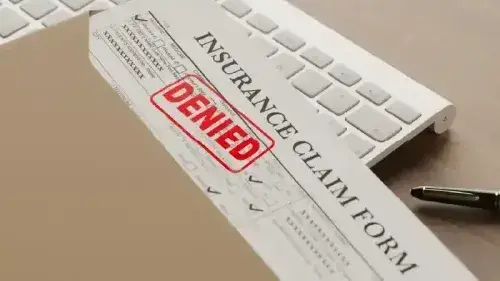
Health Insurance Coverage for pre-existing medical conditions is subject to underwriting review and may involve additional requirements, loadings, or exclusions. Please disclose your medical history in the proposal form for a personalised assessment.
This FAQ page contains information for general purpose only and has no medical or legal advice. For any personalized advice, do refer company's policy documents or consult a licensed health insurance agent. T & C apply. For further detailed information or inquiries, feel free to reach out via email at marketing.d2c@starhealth.in







