





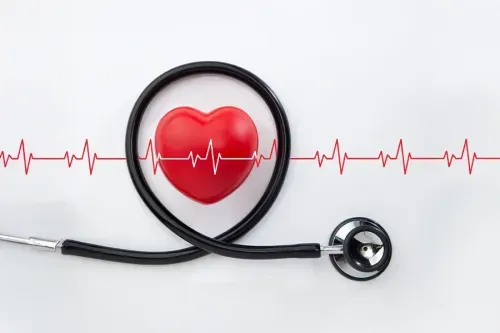
Why is My Heart Beating Fast for No Reason?
Heart Palpitations: Common Triggers & When to Worry
A faster heartbeat or palpitations occurs due to various factors, such as exercise, anxiety, and stress. It is an extremely common experience and is not a cause for concern, especially if it happens due to exercise or stressful conditions.
What are heart palpitations?
Palpitations feel like your heart is missing beats, racing or pounding. You can feel the sensation in your throat, chest and neck.
It is very common and can happen anytime while you are resting or doing any activity. Heart palpitations are often harmless, but in some cases they may be a sign of an underlying heart rhythm disorder or medical condition that requires evaluation.
However, these may sometimes relate to abnormal heart rhythms that require medical attention.
How Common are Palpitations?
It is very common, and studies show that more than 20% of people visit cardiologists because they have experienced palpitations. Palpitations can be associated with structural or electrical heart conditions, including arrhythmias and, less commonly, heart failure. They are not typically a primary symptom of heart attacks. Thus, many people, after experiencing persistent palpitations, visit cardiologists.
What Causes Heart Palpitations?
Several factors can trigger heart palpitations in both children and adults. The following list will discuss some of the factors that can cause palpitations:
- Exercise
- Emotional conditions, such as stress, anxiety, fear, and panic
- Caffeine
- Pregnancy
- Overactive thyroid production
- Lower levels of dissolved carbon dioxide in the blood
- Fever
- Dehydration
- Blood loss
- Anaemia
- Beta blockers or asthma inhalers
- Decongestants
- Nicotine
- Alcohol
- Nutritional herbal supplements
- Low Blood Sugar
- Hormonal changes
- Depression
When Do You Get Heart Palpitations?
Many experience palpitations at different phases of life, which include:
- Anxiety:Palpitations are a common reflex of your body during anxiety or panic situations (panic attack).
- After a Meal: Caffeinated drinks or spicy-rich foods contain capsaicin, which induces blood pressure, causing a higher heart rate or palpitations.
- During Night: It is a normal type of palpitation, which does not have any serious concerns.
- Sleeping on One Side: Sleeping on one side creates pressure on the whole body, which can cause palpitations.
- Exercise:While exercising, your body releases a huge amount of energy, which results in extra blood pumped by the heart. Intense pumping of blood increases the heart rate, leading to palpitations.
- Pregnancy: During pregnancy, your heart and blood circulation increase to support the baby. Frequent heart palpitations are extremely common for pregnant women, and you can seek guidance from your healthcare provider.
What are the Treatments for Heart Palpitations?
Heart palpitations are normal and usually recover on their own. You can easily resolve this problem by avoiding these things:
- Smoking
- Excessive alcohol consumption
- Caffeinated beverages
- Extra spicy and fat-rich foods
- Doing extremely hard work
Let’s discuss some ways to manage heart palpitations
- Practice stress-free techniques
- Stay hydrated
- Get enough quality sleep
Initial Diagnosis of Heart Palpitations?
A health expert will begin with a physical examination by listening to your heart. He will also review your:
- Medical history
- Symptoms
- Diet
- Medications, any supplements if you take.
What are the diagnostic tests for palpitations?
Doctors sometimes recommend these tests to detect palpitations and other heart-related problems.
- Urine tests
- Blood tests
- Electrocardiogram (ECG)
- Stress test
- A Holter Monitor to monitor the heart's activity
- Cardiac catheterisation
- Electrophysiology study
If you are experiencing abnormal heartbeats, you must seek help from cardiologists regarding safety measures.
Reader information: This article is intended for general informational and educational purposes only and should not be considered a substitute for professional medical advice, diagnosis, or treatment. Heart palpitations can have many causes, ranging from harmless to serious medical conditions. Always seek the advice of a qualified healthcare professional or cardiologist if you have persistent, worsening, or concerning symptoms such as chest pain, dizziness, shortness of breath, fainting, or an irregular heartbeat. Never ignore or delay medical consultation based on information found in this article.
Also Read:
→ What is Angio Surgery (Angioplasty)
→ Which Food is Good for the Heart
→ Is Apple Good for Heart Patients
HELP CENTRE
Confused? We’ve got the answers
We’re Star Health. We offer the coverage that’s designed to help keep you healthy. It's the care that comes to you, and stays with you.
Heart palpitations are usually not considered dangerous. They are often triggered by stress, caffeine, exercise, certain medications, etc. They can sometimes be a sign of a serious heart condition. The key is to understand when to seek medical evaluation.
It is common to experience occasional palpitations. However, you should seek immediate medical attention if your palpitations are accompanied by any of the following:
- Chest pain or discomfort
- Severe shortness of breath
- Dizziness or fainting
- Unusual sweating
If you have a known heart condition and experience a change in your palpitation pattern.
Popular Topics
People Also Search For


Health Insurance Coverage for pre-existing medical conditions is subject to underwriting review and may involve additional requirements, loadings, or exclusions. Please disclose your medical history in the proposal form for a personalised assessment.
This FAQ page contains information for general purpose only and has no medical or legal advice. For any personalized advice, do refer company's policy documents or consult a licensed health insurance agent. T & C apply. For further detailed information or inquiries, feel free to reach out via email at marketing.d2c@starhealth.in







