Arthritis Treatment Solutions to Reduce Pain, Stiffness and Inflammation
Arthritis pain can make even simple daily activities feel challenging. As per a study by WHO COPCORD, more than 195 million Indians or 1 in every 6 people, suffer from arthritis pain. While arthritis is often associated with ageing, it can also result from injury and autoimmune conditions.
The good news is that there are many effective treatments available to manage arthritis pain and improve quality of life. In this guide, we will explore the most effective ways to treat and manage arthritis pain. Early intervention with a proper rheumatoid arthritis treatment plan is essential to slow down disease progression and protect your joint health.
What is Arthritis Treatment?
Treatment for arthritis mainly aims to reduce pain and improve how the joints function. Finding the most effective treatment plan is time-consuming, as different people respond to different treatments or combinations. Modern rheumatoid arthritis treatment options typically rely on a combination of disease-modifying medications and therapeutic lifestyle changes. Here is a detail:
Medications
The most available arthritis treatment is medication. Take a look at the most commonly used medicines:
NSAIDs (Nonsteroidal Anti-Inflammatory Drugs)
NSAIDs and over-the-counter (OTC) anti-inflammatory medicines are ideal to treat arthritis pain. These are available in topical forms like creams and gels, which are also available for direct application.
However, it is important to note that overconsumption of orla NSAIDs can irritate the stomach and increase the risk of heart issues. So, consult directly with the physician before opting for them.
Counterirritants
Certain creams contain ingredients such as menthol. When applied to the skin, they can help interrupt pain signals and provide temporary relief.
Corticosteroids
Doctors may recommend joint injections such as corticosteroids (to reduce inflammation) or hyaluronic acid injections (to improve joint lubrication).
DMARDs (Disease-Modifying Antirheumatic Drugs)
These medications are commonly used as a treatment for rheumatoid arthritis or psoriatic arthritis treatment. They slow disease progression and prevent joint damage. Options of DMARDs include biologics and targeted synthetic versions.
Physical Therapy
A physical therapist can design a personalised exercise plan to strengthen muscles around the joints. Physical therapy can be opted for as a treatment for rheumatoid arthritis. Regular therapy can significantly improve mobility and function.
Surgical Options
If you ask, “What is the fastest way to relieve arthritis pain?” The answer will be surgery. Surgery is generally considered a last-line option for severe arthritis when medications, lifestyle changes, and physical therapy fail to provide adequate relief. Common procedures include:
- Joint Repair: Damaged joint surfaces are smoothed or realigned to reduce pain and improve function, often using minimally invasive (arthroscopic) techniques.
- Joint Replacement: The damaged joint is removed and replaced with an artificial implant. This is most commonly done for hips and knees.
- Joint Fusion: It is used for smaller joints like those in the wrist, ankle, or fingers. This procedure joins two bones together into one solid unit, helping to relieve pain by eliminating movement in the joint.
Assistive Devices
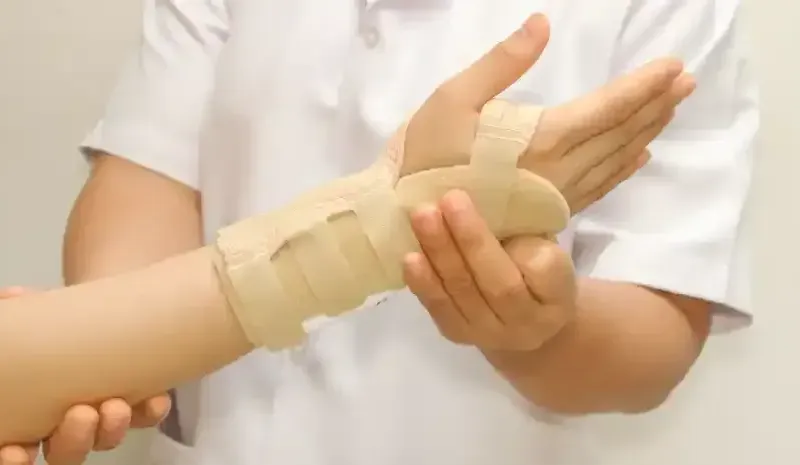
Braces, shoe inserts, or walking aids can reduce pressure on affected joints and make daily activities easier. These tools are especially useful for knee or hip arthritis.
Other Quick Ways to Relieve Arthritis Pain
When pain flares up, fast relief becomes a priority. Here are some effective ways to manage the pain in the moment:
Apply Heat or Cold Therapy
Heat therapy (warm showers, heating pads) helps relax muscles and improve blood flow, while cold therapy (ice packs) reduces inflammation and numbs sharp pain. Heat and cold therapy can help manage symptoms but do not treat the underlying disease in rheumatoid arthritis. Patients can use heat for stiffness and cold for swelling or sudden flare-ups.
Gentle Movement and Stretching
It might be painful to perform, but light movement can ease joint stiffness. Simple stretches or low-impact exercises like walking can help keep joints flexible and reduce pain.
Rest the Affected Joint
If you are under psoriatic arthritis treatment, giving your joints time to rest during flare-ups can prevent further irritation. However, prolonged inactivity should be avoided as it may worsen stiffness.
Lifestyle Changes That Support an Arthritis Treatment Plan
Long-term management of arthritis often depends on daily habits. Small, consistent changes can lead to significant improvements. Take a look at some of the best practices:
Maintain a Healthy Weight
Excess weight puts additional pressure on joints, especially in the knees and hips. Losing even a small amount of weight can reduce pain and improve mobility.
Stay Physically Active
Regular exercise strengthens muscles and reduces joint stiffness. Focus on low-impact activities such as walking, swimming, cycling and yoga.
Eat an Anti-Inflammatory Diet
Certain foods can help reduce inflammation in the body, such as fruits and vegetables, whole grains, fatty fish rich in omega-3 fatty acids, nuts and seeds. At the same time, limit processed foods, sugary snacks, and excessive salt intake.
Get Enough Rest
Quality sleep is essential for recovery and pain management. Poor sleep can increase sensitivity to pain and inflammation.
Manage Stress Levels
Chronic stress can worsen inflammation and pain perception. Practices like meditation, deep breathing, or mindfulness can help reduce stress and improve overall well-being.
What are the Natural Remedies for Arthritis Pain?
Some people also consider natural remedies as a supportive measure alongside the treatment of rheumatoid arthritis and other types. Take a look:
Herbal Supplements
Certain supplements, like turmeric or ginger, are known for their anti-inflammatory properties. While they may help, results vary from person to person.
Acupuncture
This traditional technique involves inserting thin needles into specific points on the body. Some individuals report reduced pain and improved function after sessions.
Epsom Salt Baths
Soaking in warm water with epsom salt may help relax muscles and ease joint discomfort.
When to See a Doctor for Arthritis Pain?
Arthritis symptoms should not be ignored, especially if they worsen over time. Consult a healthcare professional if:
- Pain persists despite home treatments
- Joints appear swollen, red, or warm
- You experience significant stiffness or reduced mobility
- Daily activities become difficult.
Early diagnosis and treatment can help prevent further joint damage.
How to Build a Long-Term Arthritis Pain Management Plan?
Managing arthritis effectively requires a combination of treatments tailored to your needs. A balanced plan may include:
- Medication for pain and inflammation
- Regular physical activity
- A nutritious diet
- Stress management techniques
- Periodic medical check-ups.
Tracking your symptoms and identifying triggers can also help you adjust your routine for better results.
What are the Common Mistakes to Avoid for Arthritis Pain?
While managing arthritis, certain habits can make symptoms worse:
- Ignoring pain and overusing joints
- Staying completely inactive for long periods
- Relying only on medication without lifestyle changes
- Skipping medical consultations for persistent symptoms.
Avoiding these mistakes can help you maintain better control over your condition.
Final Words
Arthritis pain can be persistent. With a combination of quick relief methods, arthritis treatments and healthy lifestyle choices, you can significantly reduce discomfort and improve joint function.
The key is consistency. Small daily actions like staying active and eating well can make a big difference over time. If your symptoms persist or worsen, seeking professional guidance ensures you get the right treatment and support for your specific condition.
Reader information: This content is for informational purposes only and should not be considered medical advice. Always consult a qualified healthcare professional for diagnosis and treatment tailored to your condition.
FAQ's
Can arthritis pain be completely cured?
Most types of arthritis cannot be fully cured, especially chronic conditions like osteoarthritis and rheumatoid arthritis. However, with the right treatment plan, symptoms can be effectively managed, allowing individuals to lead active and comfortable lives.
Is exercise safe when experiencing arthritis pain?
Yes, exercise is not only safe but highly beneficial when done correctly. Low-impact activities help maintain joint flexibility and strengthen surrounding muscles. It’s important to avoid high-impact exercises and consult a professional if unsure.
How long does it take to see improvement with treatment?
The timeline varies depending on the type of arthritis and the treatment approach. Some methods, like medication or heat therapy, provide quick relief, while lifestyle changes and physical therapy take weeks to show noticeable improvement.