





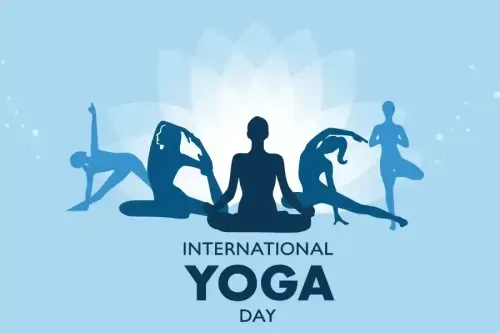
International Yoga Day 2026: Guide to Health & Harmony
Home & Workplace Yoga: Simple Routines for Busy Lives
As we approach International Yoga Day 2026, the focus naturally shifts to rolling out our mats and finding a moment of peace. We often consider yoga a tool for flexibility or a way to calm an anxious mind. Those benefits are indeed real. However, consistent practice offers a much larger, often overlooked advantage.
Doing yoga in the long run can support long-term physical and mental wellbeing.
Let us explore how you can weave this ancient tradition into your modern life and reap the physical, mental, and financial rewards.
Disclaimer: Before undertaking any exercise, Yoga or any physical intervention, consult your trusted Healthcare professional.
Starting Your Day Right: The Morning Yoga Routine
Waking up stiff and groggy is a common feeling. Instead of reaching immediately for a coffee, giving your body ten minutes of gentle movement can completely change the trajectory of your day.
A morning yoga routine wakes up your nervous system, increases blood flow to your muscles, and signals to your brain that it is time to focus.
Try these simple movements to start your day:
- Child's Pose: Kneel on the floor, sit back on your heels, and stretch your arms forward. This gently opens your lower back and hips.
- Cat-Cow Stretches: On your hands and knees, alternate between arching your back to the ceiling and dipping your stomach towards the floor. This lubricates the spine.
- Downward-Facing Dog: Push your hips up and back, creating an inverted 'V' shape. This stretches your hamstrings and calves while building arm strength.
International yoga day theme 2026: Building a Sustainable Home Yoga Practice
You do not need an expensive studio membership to experience the benefits of yoga. Building a home yoga practice is entirely possible and highly effective if you approach it with consistency rather than aiming for perfection. The goal is to create a habit that fits seamlessly into your living space.
Follow these steps to establish a routine at home:
- Dedicate a specific corner: Find a quiet spot with enough room to roll out a mat. You do not need a massive space, merely an area free of clutter.
- Set a realistic schedule: Begin with fifteen minutes three times a week rather than an hour every single day.
- Use free resources wisely: Find reputable instructors online who offer beginner-friendly sequences.
- Listen to your body: If a pose causes sharp pain, stop immediately. Yoga should stretch your muscles, not strain your joints.
Desk Relief: Workplace Yoga Exercises
Imagine a busy working professional who sits hunched over a keyboard for nine hours a day. Over time, that posture leads to chronic neck pain and tight shoulders. Our bodies were not designed for prolonged sitting.
Integrating workplace yoga exercises into your shift can prevent stiffness and reduce the risk of repetitive strain injuries.
Try these discreet movements right at your desk:
- Seated Spinal Twist: Sit sideways in your chair, hold the backrest, and gently twist your torso. Hold for five deep breaths and switch sides.
- Neck Rolls: Slowly roll your head in a semi-circle from shoulder to shoulder to release tension.
- Wrist Stretches: Extend your arm in front of you, palm facing up, and use your other hand to gently pull your fingers downward.
- Seated Figure Four: Cross your right ankle over your left knee and gently lean forward to stretch your hips.
The Physical Payoff: Yoga for Flexibility and Strength
It is a common misconception that you must be flexible to start yoga. In reality, yoga for flexibility and strength is a progressive journey.
You are using your own body weight to build muscle while simultaneously lengthening tight tissues. This combination is crucial for healthy ageing and preventing lifestyle-related injuries.
- Core Stability: Poses like the plank strengthen the abdominal muscles, which support your entire spine.
- Joint Health: Moving joints through their full range of motion keeps the cartilage healthy and prevents stiffness.
- Bone Density: Weight-bearing postures help maintain bone mass, reducing the risk of osteoporosis later in life.
- Improved Balance: Balancing poses, train your brain and muscles to work together, preventing dangerous falls as you get older.
The Yoga Lifestyle Benefits: Where Health Meets Wealth
The positive effects of rolling out your mat extend far beyond the studio. The yoga lifestyle benefits ripple into your daily choices, improving your sleep patterns, reducing stress hormones, and encouraging better nutritional habits.
Interestingly, this holistic approach to wellness may naturally encourage healthier lifestyle choices over time. As your overall well-being improves, you might find yourself needing less medical care, which could translate into long-term financial savings.
How a Healthy Routine Protects Your Wallet
Health insurance is essential for protecting your finances against major medical emergencies. A comprehensive policy acts as your safety net. However, the ultimate goal is to rarely need that net.
Staying active every day is a great way to build physical resilience. Of course, even the best routine cannot guarantee you will never need a hospital, but focusing on your well-being certainly supports a healthier life. This mindset links directly to how insurance policies work.
Many health insurance plans reward claim-free policy years through benefits such as a No Claim Bonus, which can enhance the value of your coverage over time.
A Lifelong Investment in Yourself
As we look forward to International Yoga Day 2026, remember that stepping onto your mat is a simple investment in your overall well-being. Making time for a mindful routine does not require hours of your day, yet it offers clear, lasting rewards:
- Building daily momentum: A few minutes of stretching each morning wakes up your nervous system and sets a positive tone for the hours ahead.
- Protecting your posture: Quick, discreet movements at your desk relieve the physical stress of a busy working life.
- Strengthening your future: Using your own body weight improves long-term flexibility, core stability, and physical balance.
- Encouraging long-term savings: Caring for your body creates a strong foundation for your overall well-being, which can positively influence insurance benefits like the No Claim Bonus.
Rolling out your mat is a true commitment to a healthier, more balanced life.
FAQs
It is celebrated globally on the 21st of June every year.
It improves flexibility, builds muscle strength, reduces stress, enhances respiratory function, and promotes a balanced lifestyle that can lead to fewer medical interventions over time.
Absolutely. It is highly adaptable. Beginners can start with basic stretches and modified poses, gradually increasing intensity as their strength and flexibility improve.
The official international yoga day theme of 2026 is Yoga for Healthy Ageing. Announced by India's Ministry of Ayush, the 2026 theme focuses on using yoga as a holistic tool for preventive healthcare, mental resilience, and maintaining mobility and independence as people grow older.
Related Links
Health Insurance Coverage for pre-existing medical conditions is subject to underwriting review and may involve additional requirements, loadings, or exclusions. Please disclose your medical history in the proposal form for a personalised assessment.
Information on this Health Information page is for educational purposes and not medical advice. Consult a healthcare professional for any health issues and rely on their guidance for diagnosis and treatment. T & C apply. For further detailed information or inquiries, feel free to reach out via email at marketing.d2c@starhealth.in







