


Sudden Cardiac Death - Understanding Young Adult Risks
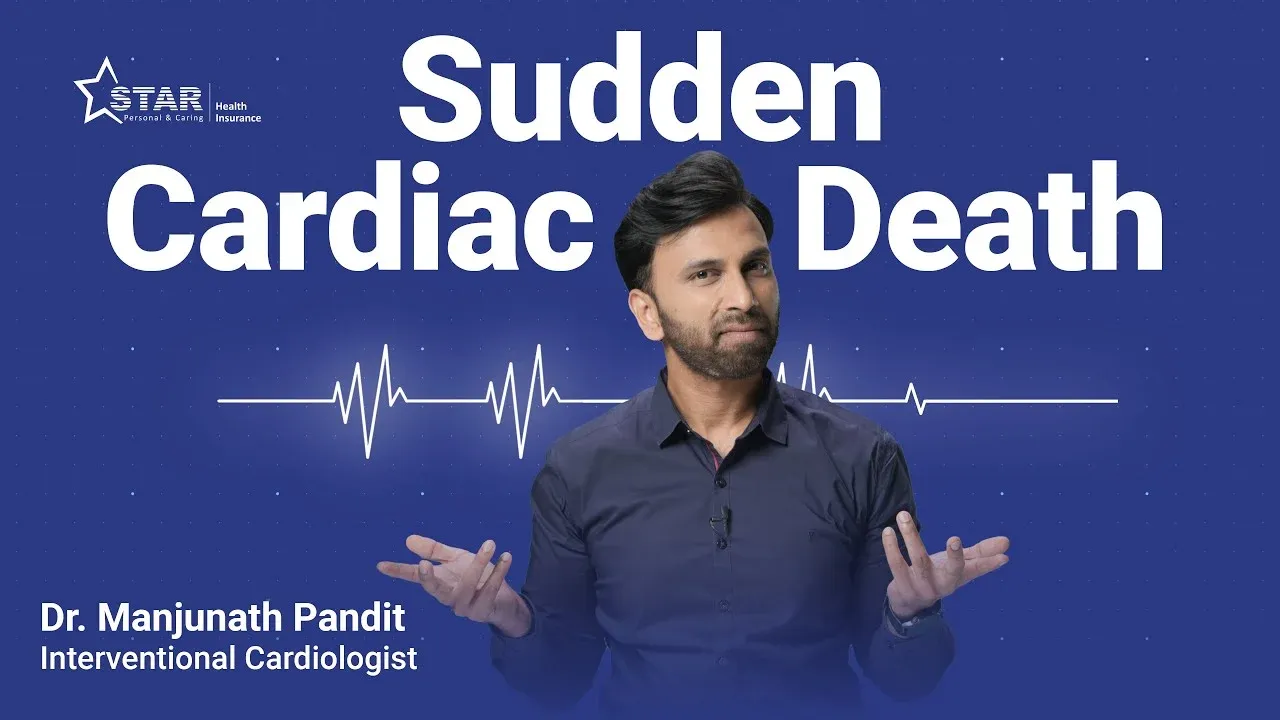


Sudden Cardiac Death in Young Adults: Risks, Symptoms & How to Stay Safe
Many people think sudden cardiac death in young adults is rare, but it is becoming more common these days. This has made many families wonder about heart health, lifestyle habits, and how to spot problems early. By knowing the risks, you can take simple steps to keep yourself and your loved ones safe.
What is Sudden Cardiac Death?
Sudden cardiac death happens when the heart stops working abruptly due to an electrical disturbance. This leads to a sudden loss of breathing and consciousness. Unless medical help arrives immediately, it can be fatal within minutes.
Most people think this only happens to older adults, but even young people in their 20s and 30s who seem healthy can be at risk.
Why Are Young Adults at Risk?
There is not just one reason for sudden cardiac events in young adults. Several things can raise the risk.
1. Hidden Heart Conditions
Some heart problems stay hidden and do not show any signs until something serious happens. These include:
- Hypertrophic cardiomyopathy (thickened heart muscle)
- Arrhythmias
- Congenital heart defects
Because these conditions are usually silent, many young people do not even know they are at risk.
2. Intense Physical Activity
Doing heavy workouts, playing competitive sports, or sudden hard physical activity can trigger heart problems if you already have a hidden condition. That is why many sports organizations ask for a medical checkup before you play.
3. Lifestyle Stress
Long working hours, poor sleep, and stress are common for many young adults today. Stress can harm your heart by raising your blood pressure and upsetting your body’s balance.
4. Tobacco, Alcohol and Substance Use
Regular smoking or excessive drinking can weaken the heart over time. The risk increases further with recreational drugs that affect heart rhythm.
5. Genetic Factors
If someone in your family had a heart issue at a young age, you or other family members could also be at higher risk.
Warning Signs to Watch For
Often, sudden cardiac death happens without any warning signs. But sometimes, you might notice:
- Unexplained fainting
- Chest discomfort
- Rapid or irregular heartbeat
- Shortness of breath during mild activity
- Fatigue that feels unusual
If you notice any of these signs, do not ignore them, even if you feel healthy and fit.
How to Reduce the Risk
You can protect your heart by taking a few simple steps.
Routine Medical Checkups
A yearly health checkup with ECG, cholesterol, and blood pressure tests can help spot early warning signs.
Healthy Lifestyle Choices
Regular exercise, balanced meals and adequate sleep can strengthen heart health. Avoiding smoking and limiting alcohol consumption also make a big difference.
Know Your Family History
If you know about heart problems in your family, your doctor can suggest the right tests for you at the right time.
Stress Management
Many young people today have busy lives with work and personal commitments. Doing yoga, meditation, or just taking short breaks during the day can help lower stress and protect your heart.
Conclusion
Sudden cardiac death in young adults is serious, but being aware and taking simple steps can save lives. Regular checkups, healthy habits, and getting medical advice on time give you the best chance to stay safe. By knowing the risks, you and your family can be ready for any unexpected health problems, both medically and financially.
People Also Search For
Health Insurance Coverage for pre-existing medical conditions is subject to underwriting review and may involve additional requirements, loadings, or exclusions. Please disclose your medical history in the proposal form for a personalised assessment.
Information on this Health Information page is for educational purposes and not medical advice. Consult a healthcare professional for any health issues and rely on their guidance for diagnosis and treatment. T & C apply. For further detailed information or inquiries, feel free to reach out via email at marketing.d2c@starhealth.in