





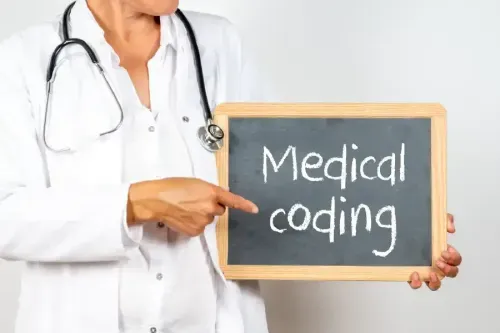
What is Medical Coding in Healthcare?
Medical Coding: Meaning, Process, Types & Its Importance in Healthcare
Medical coding is a key part of the healthcare system, but it often goes unnoticed. Most of us only see the doctors and hospitals, but there’s a lot happening behind the scenes to keep everything running smoothly. Medical coding is one of those important behind-the-scenes jobs.
In simple terms, medical coding ensures that every diagnosis, treatment, and healthcare service is converted into a standard format. This helps doctors, hospitals, and insurance companies communicate clearly, keep accurate records, and process claims smoothly.
This guide will help you understand everything about medical coding, including how it works, its types, benefits, challenges, and commonly used systems.
What is Medical Coding?
Medical coding means turning medical diagnoses, treatments, procedures, and services into standard codes made up of letters and numbers. These codes are used everywhere in healthcare, so everyone is on the same page.
For example:
- A diagnosis of diabetes is converted into a specific ICD code.
- A blood test or surgery is represented using a CPT code.
So, instead of writing long descriptions, these codes make it quick and easy to record medical information.
The purpose of medical coding is to:
- Standardise healthcare documentation.
- Simplify record management.
- Support billing and insurance processes.
Having proper and accurate medical coding ensures that medical records are consistent and easily understood by various stakeholders.
How Does Medical Coding Work?
Medical coding works as a structured system that connects clinical care with administrative processes. Instead of just assigning codes, it acts as a bridge between patient treatment and healthcare data management.
When a patient receives medical care, a detailed record is created that includes symptoms, diagnosis, and the treatment provided. This information is then interpreted and converted into standardised codes using approved classification systems.
A unique aspect of coding healthcare is that it requires both medical understanding and logical interpretation. The coding process ensures that:
- The diagnosis matches the treatment provided.
- The level of care is correctly represented.
- All services are properly documented and supported.
Importance of Medical Coding in Healthcare
Medical coding is really important for keeping healthcare running smoothly and making sure everything is clear and transparent.
Why Medical Coding Matters:
- Accurate Billing and Payments: Proper coding ensures patients are billed correctly and claims are processed without delays.
- Supports Insurance Claims: Standardised insurance coding helps insurers understand medical services clearly.
- Enhances Patient Record Management: All your medical information is kept organised and easy to find when needed.
- Improves Healthcare Analytics: Data gathered through coding helps track disease patterns and treatment outcomes.
- Legal and Compliance Support: Accurate coding also helps hospitals and clinics follow the rules and meet all the necessary requirements.
The value of accurate medical coding goes beyond billing; it supports the entire healthcare ecosystem.
Medical Coding Process Explained
The process of coding healthcare may seem simple, but it involves careful review and attention to detail. It starts immediately after a patient receives medical care.
Step-by-Step Overview:
- Medical Documentation Creation: After a consultation, the healthcare provider records symptoms, diagnoses, treatments, and procedures.
- Review of Patient Records: These records are carefully examined to identify key details required for coding.
- Code Selection: Based on what’s in the records, the right codes are chosen from the standard coding systems.
- Accuracy Check: The chosen codes are double-checked to make sure they match the medical records correctly.
- Final Use in Billing and Records: The codes are then used for medical bill coding, insurance claims, and maintaining patient data.
Since the medical coding process involves multiple layers of verification and interpretation, a structured workflow ensures clarity in communication and reduces the chances of errors in healthcare documentation.
Types of Medical Coding Systems
Different medical coding systems are used depending on the nature of healthcare services.
Main Categories:
- Diagnosis Coding: Used to identify diseases and health conditions.
- Procedure Coding: Describes surgeries, consultations, and treatments.
- Supply and Equipment Coding: Includes medical devices, ambulance services, and other supplies.
Together, these systems make coding healthcare comprehensive and structured.
Common Medical Coding Classification Systems
Healthcare systems all over the world use standard coding systems.
The Most Common Ones:
- ICD (International Classification of Diseases)
- CPT (Current Procedural Terminology)
- HCPCS (Healthcare Common Procedure Coding System)
These systems ensure that medical coding details are uniform across different healthcare providers.
ICD Codes in Medical Coding
ICD codes are used to label different diseases, disorders, and health conditions.
Key Highlights:
- Each condition has a unique code.
- Used worldwide for diagnosis recording.
- Helps track disease outbreaks and trends.
ICD codes are essential for maintaining accurate medical records and supporting insurance coding processes.
CPT Codes in Medical Coding
CPT codes are used for different medical procedures and services.
Examples Include:
- Doctor consultations
- Laboratory tests
- Surgical procedures
These codes are an important part of medical bill coding because they determine the cost of services provided.
HCPCS Codes in Medical Coding
HCPCS is primarily used in the United States; it includes CPT codes (Level I) and additional codes (Level II) for services, supplies, and equipment not covered by CPT.
These Include:
- Ambulance services
- Medical equipment
- Home healthcare supplies
HCPCS codes broaden the scope of coding healthcare by covering additional aspects of patient care.
Difference Between ICD, CPT, and HCPCS Codes
Understanding these differences helps in better comprehension of medical coding details.
| Coding System | Purpose | Example |
| ICD | Diagnosis | Disease identification |
| CPT | Procedure | Surgeries, tests |
| HCPCS | Supplies & services | Ambulance, equipment |
Together, these systems ensure complete documentation of a patient’s healthcare journey.
Medical Coding vs Medical Billing
Although closely related, medical coding and billing are different processes.
Medical Coding:
- Converts healthcare information into codes
- Focuses on documentation accuracy
Medical Billing:
- Uses these codes to generate bills
- Handles payment processing and claims
While coding ensures accuracy, billing ensures financial transactions are completed efficiently.
Challenges in Medical Coding
Despite its importance, medical coding has certain challenges.
Common Challenges:
- Complex Medical Terminology: Understanding clinical language can be difficult.
- Regular Updates in Codes: Coding systems frequently change, requiring constant updates.
- Risk of Errors: Small mistakes can lead to claim rejections.
- Time-Intensive Process: Reviewing detailed records requires precision.
- Compliance Requirements: Strict regulations must be followed for accurate medical coding.
Overcoming these challenges is essential to maintain efficiency.
Benefits of Medical Coding in Healthcare
Medical coding offers several advantages that improve healthcare systems.
Key Benefits:
- Improved Accuracy: Ensures correct documentation and billing.
- Faster Claim Processing: Reduces delays in insurance approvals.
- Data Standardization: Creates uniformity in healthcare records.
- Better Decision-Making: Helps analyse trends and improve treatment outcomes.
- Reduced Fraud and Errors: Standard coding minimises incorrect claims.
A proper focus medical coding system supports better operational efficiency and patient care.
Common Medical Coding Terms You Should Know
Understanding basic terminology makes it easier to learn about medical coding.
Important Terms:
- Code Set– A collection of codes used in classification
- Diagnosis– Identification of a medical condition
- Procedure– Treatment or service provided
- Claim– Request for payment
- Compliance– Following legal regulations
- Reimbursement– Payment received for services
- HCC Medical Coding– A system used to assess patient risk and predict healthcare costs
These terms form the foundation of medical coding details.
Role of Medical Coding in Insurance Processing
Medical coding plays a key role in insurance claim processing.
How It Helps:
- Ensures claims are accurate and complete
- Reduces claim rejections
- Speeds up reimbursement
- Helps insurers evaluate medical necessity
Without proper insurance coding, claim processing would become slow and prone to errors.
Emerging Trends in Medical Coding
The field of medical coding is evolving with technology and modern healthcare practices.
Latest Developments:
- Automation and AI Tools: New software tools are making coding faster and more accurate.
- Digital Health Records: Electronic health records are making coding easier and more efficient.
- Data-Driven Insights: The data from coding is now being used to study health trends and improve care.
- Increased Focus on Accuracy: Greater emphasis on accurate medical coding to reduce errors.
These advancements are shaping the future of coding healthcare.
Conclusion: Understanding Medical Coding and Its Role in Healthcare
Medical coding is a basic part of healthcare that helps keep records accurate, makes billing easier, and helps everyone involved communicate better.
From converting diagnoses into codes to supporting insurance claims, medical coding acts as the backbone of healthcare administration. Its role in improving transparency, reducing errors, and maintaining structured data cannot be overstated.
As healthcare systems continue to modernise, the demand for accurate medical coding will keep growing. Understanding its meaning, process, and types provides valuable insight into how healthcare operations function efficiently behind the scenes.
Reader information: The information provided is general in nature and may not reflect the latest industry updates or regulations. Users are advised to verify details with certified medical coding experts or official sources.
FAQs
Medical coding is the process of converting medical diagnoses, treatments, and services into standardised codes used for documentation, billing, and insurance purposes.
Accurate medical coding ensures correct billing, faster insurance claim processing, and proper record maintenance. Errors can lead to claim rejections and financial issues.
ICD codes are used for diagnoses, CPT codes represent medical procedures, and HCPCS codes cover equipment and additional healthcare services.
HCC medical coding is a system used to assess patient health risks and predict future healthcare costs, often used in insurance planning.
Medical coding ensures that insurance claims are accurate, properly documented, and processed quickly, reducing delays and rejections.
Medical coding helps convert detailed healthcare documentation into standardised codes. This makes it easier to store, retrieve, and share patient information across systems. Proper coding healthcare practices ensure that medical records remain clear, organised, and useful for both treatment and administrative purposes.
Medical coding ensures that all treatments and diagnoses are properly translated into codes required for insurance claims. Accurate insurance coding reduces claim rejection rates, speeds up approvals, and ensures that healthcare providers and patients are billed correctly.
Common errors in medical coding include incorrect code selection, missing documentation, and outdated codes. These mistakes can impact billing, delay claims, and affect patient records. Maintaining accurate medical coding requires careful review and up-to-date knowledge of coding systems.
Related Health Info Links
Health Insurance Coverage for pre-existing medical conditions is subject to underwriting review and may involve additional requirements, loadings, or exclusions. Please disclose your medical history in the proposal form for a personalised assessment.
Information on this Health Information page is for educational purposes and not medical advice. Consult a healthcare professional for any health issues and rely on their guidance for diagnosis and treatment. T & C apply. For further detailed information or inquiries, feel free to reach out via email at marketing.d2c@starhealth.in







