





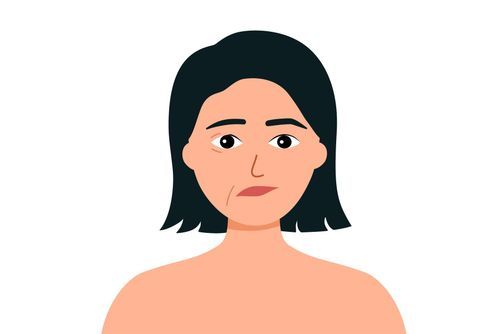
Symptoms of Bell's Palsy: Contributing Causes and Treatment
Comprehensive Guide to Bell's Palsy: Symptoms, Causes, and Treatment
Bell's Palsy is a medical condition in which the facial muscles experience paralysis on one side of the face, which usually manifests as weakness. The disease can arise when the nerve that manages the facial muscles becomes inflamed, swollen, or compressed. There are approximately twenty to thirty cases of Bell's Palsy in every 100,000 people annually.
However, this disease can be easily controlled if there is timely and appropriate medical intervention. We will look at the different symptoms of Bell's Palsy, its causes, diagnosis, treatments for this condition, and how it affects people.
What is Bell's Palsy?
Bell's Palsy is the sudden onset paralysis of facial muscles, usually affecting one side of the face. The cause of the disease cannot be defined, though it is sometimes linked with viral infections that induce inflammation of the facial nerve, otherwise known as cranial nerve VII. The facial nerve controls the facial muscles for facial expression, eye closure, and smiling.
Common Bell's Palsy Symptoms
The Bell's Palsy symptoms must be identified in time so that early diagnosis and treatment can take place. The common signs include:
- Facial Weakness or Paralysis
Many patients complain about drooping eyelids, difficulty smiling, an eye that cannot be closed, or eyebrow elevation on the affected side. - Drooping of the Face
It is identified by a sagged mouth or eyelid on one side of the face, which results in an uneven smile or an inability to close one eye. - Difficulty Drinking or Eating
Many patients suffering from Bell's Palsy may have difficulty ingesting food and gulping liquids like water. - Loss of Taste
Patients with this syndrome may experience altered taste sensations in sweets, sour products, and salty food products. - Inability to Change Facial Expressions
Often, people cannot change their facial expressions while suffering from Bell's Palsy syndrome. - Sensitivity to Sound
Some individuals may experience hyperacusis, where general sounds seem louder on the affected side. - Tearing and Salivation Issues
There could also be tearing and salivation problems where the individual cannot control tear or saliva production and drools or has excessive tearing at times. - Pain or Discomfort
Some individuals may have jaw pain or ear pain on the affected side preceding this weakness. - Bell's Phenomenon
This is the inability to close the eyes, and the eyeball rolls upward, exposing the white part of the eye. In this case, it usually occurs in tandem with Bell's Palsy. Exposure to keratitis is likely to occur if untreated.
What are the Causes of Bell's Palsy Disease?
Bell's Palsy causes are not yet known, although it occurs in the context of viral infections. Some of the viruses noted as associated with Bell's Palsy include:
- Herpes simplex or herpes that causes cold sores and genital herpes
- Herpes zoster virus, which also causes chickenpox and shingles
- Epstein-Barr virus which causes infectious mononucleosis, a disease characterised by swollen lymph glands
- Adenoviruses that are responsible for causing respiratory conditions
- Cytomegalovirus
- Rubella or German measles
- The mumps virus, which causes mumps
- Coxsackievirus, responsible for causing hand-foot-and-mouth disease
- Influenza B, also called flu.
- Bell's Palsy may result from an autoimmune response in which the body mistakenly attacks the facial nerve, causing inflammation and weakness
- Bell's Palsy is often a hereditary ailment that occurs more frequently in some families. If a family member has experienced Bell's Palsy, others may be at a higher risk.
What are the Risk Factors of Bell's Palsy?
Mentioned below are the common risk factors associated with the increase in your risk of getting Bell's Palsy:
- Diabetes
- Pregnancy
- Preeclampsia
- Respiratory ailment
- Obesity (BMI of 30 or higher)
- High blood pressure (hypertension)
- Having Bell's Palsy earlier in the family
Note: The highest rates of Bell's Palsy are found in individuals aged 15 to 45, but it may also impact children under 13 and seniors over 70.
Understanding the Diagnosis of Bell's Palsy
A medical history and a physical examination are often sufficient to diagnose Bell's Palsy symptoms. The doctor will evaluate the level of facial weakness and check if other causes of similar symptoms are excluded, such as stroke or tumours. Other tests are sometimes performed in a few cases, such as:
- Electromyography (EMG)
This procedure measures the electrical activity of muscles and helps establish the extent of the damage to the nerves. - Magnetic Resonance Imaging (MRI)
An MRI may be performed to rule out structural lesions or any other cause of weakness in the face.
How Bell's Palsy Can Be Treated?
Although Bell's Palsy symptoms improve without treatment in most cases, recovery of facial muscles may take weeks, sometimes even months, to gain previously experienced pre-illness strength.
Some treatments that can be effective include the following:
Bell's Palsy Treatment (Using Medicine)
Your doctor may prescribe:
- Corticosteroids to reduce swelling
- Antiviral or antibacterial medication if a virus or bacterial infection is present
- Over-the-counter pain medicines for less severe pain, such as ibuprofen or acetaminophen
- Eye drops to lubricate the affected eye
Bell's Palsy Treatment (Home Remedy)
- Self-care
- Eye patch for dry eyes
- A warm, moist cloth is applied over your face to ease the pain
- Facial massage
- Bell's Palsy exercises to relax your facial muscles
Is Bell's Palsy Dangerous?
Common questions in regard to Bell's Palsy include whether the condition is dangerous. Most often, it is benign and not life-threatening. The condition tends to be self-limiting in that most people recover completely, usually within three to six months.
Some individuals continue to have weakness or facial asymmetry after recovery. Complications such as corneal abrasions or infections may also occur with eye exposure.
Bell's Palsy typically tends to be a temporary disorder that may be treated satisfactorily with appropriate treatment, though it often sends shocking uncertainty that rocks a person's existence.
Understanding the potential causes of Bell's Palsy and reviewing options for Bell's Palsy therapies can make a difference for people who want to take charge of their health.
HELP CENTRE
Confused? We’ve got the answers
We’re Star Health. We offer the coverage that’s designed to help keep you healthy. It's the care that comes to you, and stays with you.
The best treatments for Bell's Palsy involve corticosteroids to decrease inflammation, physical therapy to improve the affected muscles' strength and coordination and moistening eye care to prevent damage to the affected eye. Pain relief medication and other alternative therapies may assist a few patients.
Progression of return of strength in facial muscles and increased ability to smile or even raise the eyebrows on the affected side is evidence of recovery. Such complete recovery may take weeks to months, with improvement in symptoms accompanying the illness, such as drooping or pain.
Effective exercises for Bell's Palsy include facial muscle exercises such as lightly stretching and moving the lips, raising the eyebrows, and closing the eyes tightly. Other activities include smiling and puffing out the cheeks and practising facial movements in a mirror that may help the patient regain muscle control.
Bell's Palsy refers to sudden temporary weakness or paralysis in the facial muscles due to inflammation of facial nerves, most times of unknown origin. Facial Palsy is a larger term that relates to any kind of facial weakness or paralysis and can be caused by diseases affecting the neurological system, tumours, or injury.
Eating foods high in B vitamins can help you recover faster from Bell's Palsy disease. These comprise whole grains, eggs, and fruits, which may assist in curing facial nerve damage.
Related Articles on Symptoms
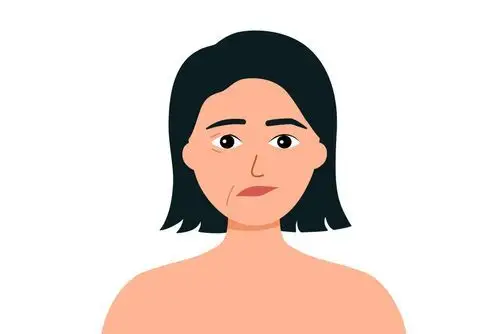
Health Insurance Coverage for pre-existing medical conditions is subject to underwriting review and may involve additional requirements, loadings, or exclusions. Please disclose your medical history in the proposal form for a personalised assessment.
Information on the Symptom page is for general awareness purposes and not a substitute for professional medical advice. Always consult a healthcare professional for any health concerns before making any decisions regarding your health or treatment. T & C apply For further detailed information or inquiries, feel free to reach out via email at marketing.d2c@starhealth.in







